 ultimate-guide
Outdoor Kitchen Installation Cost 2026: Complete Pricing Guide
Table of Contents
- National Average Outdoor Kitchen Installation Cost
- Cost Breakdown: Materials, Labor, and Site Preparation
- Best Outdoor Kitchen Equipment Brands 2026
- Outdoor Kitchen Construction Timeline and Labor Costs
- Outdoor Kitchen Permit Requirements and Regulatory Costs
- Cost Factors by Kitchen Size and Scope
- Return on Investment and Resale Value
- Professional Installation vs. DIY: Cost and Risk Comparison
Last Updated: August 28, 2026
National Average Outdoor Kitchen Installation Cost
Planning an outdoor kitchen is exciting, but the costs can surprise you if you're not prepared. The price of an outdoor kitchen installation cost varies dramatically based on scope, materials, and labor in your region. Most homeowners invest between $5,000 and $50,000 for a functional outdoor cooking space, though luxury installations can exceed $100,000. At allvalley, we've helped families in the Coachella Valley and Riverside County understand what they're actually paying for when they upgrade their backyards.
The real challenge isn't finding a number, it's understanding what drives that number. A basic setup with a built-in grill and simple countertop looks nothing like a full outdoor kitchen island with multiple appliances, gas line installation, electrical rough-in, and custom cabinetry. The difference between these two scenarios can be $30,000 or more.
Several factors determine your final bill: the size of your space, the quality of materials you choose, whether you handle site preparation yourself, and how complex your utility hookups need to be. Labor costs alone typically represent 40-60% of your total outdoor kitchen installation cost, depending on local contractor rates and project complexity (bls.gov).
Cost Breakdown: Materials, Labor, and Site Preparation
Your outdoor kitchen installation cost breaks down into distinct categories. Understanding each one helps you make smarter decisions about where to invest and where you might save.

Materials typically consume 40-50% of your budget. This includes countertops, cabinetry, appliances, and hardscaping elements like pavers or stone veneer. Labor accounts for another 40-50%, covering everything from site excavation and foundation work to gas line installation, electrical rough-in, and finish installation. Permits and miscellaneous costs round out the remaining 5-15%.
Countertop and Cabinetry Costs
Countertop materials set the tone for your entire outdoor kitchen. Stone countertops, granite, marble, or engineered stone, typically run higher than alternatives but offer durability and aesthetic appeal. Custom cabinetry built to withstand outdoor conditions costs more than stock options, but outdoor-rated materials resist moisture and UV damage better.
Many homeowners choose materials based on their local climate. In areas with intense sun exposure, lighter stones reflect heat and resist discoloration. In regions with freezing winters, materials that handle freeze-thaw cycles without cracking matter more than pure aesthetics.
Countertop fabrication and installation can add significant cost. If your outdoor kitchen requires custom cuts for appliance cutouts, backsplash installation, or complex edge details, expect to pay premium fabrication fees. Built-in features like integrated sinks or prep areas increase both material and labor costs.
Built-In Appliances and Equipment
A built-in grill is often the centerpiece of an outdoor kitchen, and quality matters. Professional-grade grills cost more upfront but deliver better heat distribution and durability. Gas grills require proper gas line installation, which adds to your overall outdoor kitchen installation cost. Electrical appliances like refrigerators, ice makers, or warming drawers need electrical rough-in work to code.
Smokers, pizza ovens, and specialty equipment expand functionality but increase your budget. These items often require dedicated ventilation, special foundations, or reinforced countertops to support their weight. Outdoor-rated appliances cost more than indoor equivalents because they must withstand weather exposure.
Gas Line Installation and Electrical Work
Gas line installation is one of the most expensive utility upgrades. A licensed plumber must run lines from your home's gas supply, bury them to code depth, and install proper shut-off valves and connections. If your gas supply is far from your outdoor kitchen location, trenching costs multiply. Electrical rough-in follows similar logic, running circuits to outdoor outlets, installing weatherproof boxes, and meeting code requirements for outdoor electrical work demands licensed electricians.
Both gas and electrical work require permits. Inspectors must verify that installations meet local codes before you can use your outdoor kitchen. Rushing or cutting corners on these systems creates safety risks and fails inspection.
Best Outdoor Kitchen Equipment Brands 2026
Choosing reliable equipment matters because outdoor conditions are harsh. Quality brands stand behind their products and deliver better performance over time. At allvalley, we offer top-quality BBQ equipment.
Premium grill brands like Weber, Traeger, and Lynx offer professional-grade performance with solid warranties. These manufacturers invest in materials that resist rust, handle temperature extremes, and maintain even heat distribution. Mid-range brands balance quality and affordability. Budget options exist, but outdoor equipment exposed to weather deteriorates faster if it's not built to last.
Look beyond brand name to specific features: stainless steel grade (304 or 316 resists corrosion better than lower grades), insulation quality, and warranty length. A grill with excellent insulation retains heat efficiently and cooks more evenly. Warranties that cover rust and material defects signal manufacturer confidence.
Outdoor-rated cabinetry brands use marine-grade plywood, stainless steel hardware, and powder-coated finishes. These choices cost more but prevent rot, rust, and deterioration. Countertop manufacturers like Cambria and Caesarstone offer outdoor collections specifically engineered for sun and weather exposure.
Outdoor Kitchen Construction Timeline and Labor Costs
Most outdoor kitchen projects take 4-8 weeks from start to finish, assuming no permit delays or unexpected site conditions. The timeline breaks into phases: site preparation and demolition (1-2 weeks), utility installation and rough-in (1-2 weeks), construction and installation (2-3 weeks), and finishing work (1 week).
Labor costs depend on your local contractor rates and project complexity. In many regions, skilled outdoor kitchen contractors charge $50-150 per hour, though rates vary widely (bls.gov). A simple installation might require 200-300 labor hours. A complex project with extensive hardscaping, custom cabinetry, and multiple utility connections could exceed 500 hours.
Contractor markup, typically 15-25% above direct labor and material costs, covers their overhead, project management, and profit. This isn't hidden cost; it's how contractors stay in business and ensure they can service their work if problems arise. Experienced contractors who manage subcontractor coordination efficiently often deliver better results than low-bid competitors.
Site excavation and foundation work add time and cost. If your outdoor kitchen sits on uneven ground, you'll need grading and possibly a concrete pad or permeable pavers for proper drainage. Poor drainage leads to standing water, which damages foundations and creates mosquito breeding grounds.
Outdoor Kitchen Permit Requirements and Regulatory Costs
Most jurisdictions require permits for outdoor kitchens, especially when they involve gas lines, electrical work, or permanent structures (iccsafe.org). Permit fees typically range from $200-1,000 depending on your location and project scope. Inspections happen at key phases: after site preparation, after utility rough-in, and before final approval.
Building codes vary by location, but common requirements include setback distances from property lines, proper ventilation for grills, electrical outlet spacing, and gas line safety standards. A licensed contractor familiar with local codes saves money by getting it right the first time. DIY installations often fail inspection, requiring expensive corrections.
Some jurisdictions require specific materials, fire-rated countertops near grills, for example, or specific electrical outlet types for outdoor use. Permit applications often require detailed plans showing utility locations, material specifications, and setback measurements. Your contractor should handle this paperwork, but you're responsible for ensuring it's accurate.
Cost Factors by Kitchen Size and Scope
Your outdoor kitchen's footprint dramatically affects your outdoor kitchen installation cost. Larger kitchens require more materials, more labor, and more complex utility work. Understanding costs by size helps you set realistic budgets.
Small Outdoor Kitchens (Under 100 Square Feet)
A small outdoor kitchen, think a single grill, minimal countertop, and basic storage, might cost $5,000-$15,000 installed. These compact setups work well for homeowners who grill occasionally and don't need extensive prep space. Small kitchens require less site preparation, fewer utility connections, and simpler construction.
However, "small" doesn't mean low-quality. You can build a durable, attractive small outdoor kitchen using quality materials and professional installation. The savings come from reduced scope, not compromised durability.
Medium Outdoor Kitchens (100-200 Square Feet)
Medium kitchens, with a built-in grill, side burners, refrigeration, and substantial countertop space, typically cost $15,000-$35,000. This size accommodates a full cooking setup plus prep and serving areas. Most homeowners find this sweet spot offers enough functionality for entertaining without excessive cost or maintenance.
Medium kitchens justify investment in quality materials and finishes. The countertop, cabinetry, and appliances all become focal points, so aesthetics matter alongside performance.
Large Outdoor Kitchens (200+ Square Feet)
Large outdoor kitchens with multiple cooking stations, extensive countertop, built-in seating, and premium finishes run $35,000-$100,000 or more. These installations function like outdoor rooms, combining cooking, dining, and entertainment in one integrated space.
Large projects involve complex hardscaping, pergola integration, retaining walls, drainage systems, and paver patios. Multiple utility connections, custom cabinetry, and high-end appliances push costs higher. Labor becomes a larger percentage of total cost because the project takes longer and demands more coordination.
Return on Investment and Resale Value
Many homeowners ask whether an outdoor kitchen pays for itself when they sell. The answer is nuanced: outdoor kitchens add appeal and lifestyle value, but they don't return 100% of your investment in resale price.
Real estate data suggests outdoor kitchens add 5-10% to home value in markets where outdoor living is desirable, which includes most of the country, especially in warm climates. A $25,000 outdoor kitchen might add $30,000-$40,000 in perceived home value, but actual resale premiums vary by location, buyer preferences, and overall property condition.
The real return comes from years of use and enjoyment. Families that entertain regularly, enjoy outdoor cooking, and value backyard retreats get genuine lifestyle value from their investment. If you plan to stay in your home for 10+ years and you'll use the space frequently, the return on investment improves significantly.
Quality installation and durable materials protect your investment. A poorly built outdoor kitchen deteriorates quickly and becomes a liability. Professional installation from experienced contractors ensures your outdoor kitchen functions reliably for decades.
Energy efficiency and utility hookups affect long-term costs. Gas grills are efficient and economical to operate. Electrical appliances add convenience but increase utility usage. Proper ventilation requirements ensure safety and reduce maintenance headaches from grease buildup or gas leaks.
Professional Installation vs. DIY: Cost and Risk Comparison
The temptation to DIY an outdoor kitchen to save money is understandable, but the risks often outweigh the savings.
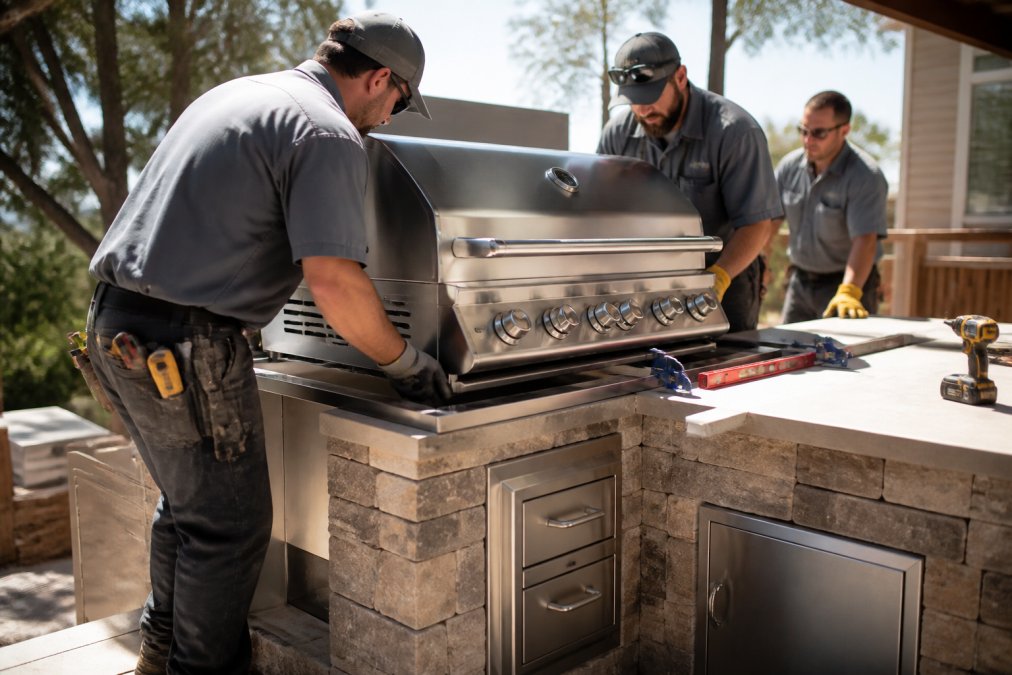
Gas line installation is the biggest DIY risk. Improper connections create fire hazards and gas leaks, both life-threatening. Most jurisdictions prohibit unlicensed DIY gas work and require licensed plumber inspection. A single mistake costs far more to fix than hiring a professional from the start.
Electrical rough-in carries similar risks. Outdoor electrical work must meet specific code requirements for safety in wet environments. Improper grounding, inadequate wire gauge, or incorrect outlet placement creates shock hazards. Inspectors will catch violations, and you'll pay to redo the work.
Site preparation and foundation seem simpler but demand expertise. Improper grading causes drainage problems that damage your outdoor kitchen's foundation. Uneven concrete leads to appliance misalignment and safety issues. A contractor understands soil conditions, compaction, and proper drainage slope.
Countertop and cabinetry installation requires precision. Misaligned countertops look wrong and function poorly. Custom cabinetry built without proper outdoor materials deteriorates quickly. Professional fabricators and installers have the tools and experience to get these details right.
The cost difference between DIY and professional installation often isn't as large as it appears. DIY saves labor but still requires materials, permits, and inspections. When you factor in tools you need to buy, time off work, and the risk of expensive corrections, professional installation becomes more competitive.
At allvalley, we handle the entire process, from site assessment through final inspection. Our 26 years of experience means we understand local codes, anticipate problems, and deliver installations that last. We manage subcontractor coordination so you don't have to juggle plumbers, electricians, and masons.
Planning your outdoor kitchen installation cost requires honest assessment of your budget, timeline, and long-term goals. Whether you choose a simple setup or a luxury outdoor entertaining space, professional guidance protects your investment. Reach out to allvalley at 760-342-5277 to discuss your outdoor kitchen vision. We'll help you understand costs, explore options, and deliver an outdoor retreat your family will enjoy for decades.
| Cost Component | Small Kitchen | Medium Kitchen | Large Kitchen |
|---|---|---|---|
| Materials | $2,000-$5,000 | $6,000-$15,000 | $15,000-$40,000 |
| Labor | $2,500-$7,500 | $7,500-$18,000 | $18,000-$50,000 |
| Permits & Utilities | $500-$1,500 | $1,500-$3,000 | $3,000-$8,000 |
| Site Prep & Hardscaping | $500-$1,500 | $2,000-$5,000 | $5,000-$15,000 |
| Total Range | $5,000-$15,000 | $15,000-$35,000 | $35,000-$100,000+ |
Frequently Asked Questions
How much should I budget for an outdoor kitchen installation?
Outdoor kitchen installation costs vary significantly based on size, materials, and complexity. A basic setup with a grill and minimal countertop may cost less, while a luxury installation with built-in appliances, gas line installation, electrical work, and premium finishes requires substantial investment. Contact allvalley for a custom quote based on your specific needs and backyard layout.
What factors influence the total cost of outdoor kitchen installation?
Key cost drivers include countertop material (stone, tile, concrete), cabinetry quality, built-in appliance selection, site excavation and preparation, utility hookups (gas, electrical, plumbing), permit fees, hardscaping (pavers, retaining walls), and labor rates. Climate-specific material durability and weatherproofing requirements also affect pricing. Professional contractors coordinate subcontractors, which adds project management fees but ensures code compliance.
How long does an outdoor kitchen installation typically take?
Construction timelines range from 4 to 12 weeks depending on kitchen size and complexity. Simple installations with basic grills may take 4-6 weeks, while large custom kitchens with extensive hardscaping, utility trenching, and custom cabinetry can extend 10-12 weeks. Permit approval and weather delays can extend timelines. Professional project management helps keep schedules on track.
Do I need a permit for outdoor kitchen installation?
Most jurisdictions require permits for outdoor kitchens, especially those involving gas lines, electrical rough-in, plumbing hookups, and permanent structures. Permit fees vary by location and project scope. Building inspectors verify compliance with local codes for utility installation and structural safety. Professional installers handle permit applications and inspections, ensuring your kitchen meets all regulatory requirements.
What is the ROI for an outdoor kitchen installation?
Outdoor kitchens typically recover 50-75% of installation costs through increased home value and enhanced outdoor living appeal. ROI depends on material quality, kitchen functionality, and local real estate market conditions. Premium finishes and durable materials (stainless steel appliances, natural stone countertops) tend to attract buyers and justify higher upfront investment compared to basic setups.
Is professional installation worth the extra cost compared to DIY?
Professional installation ensures proper gas line installation, electrical rough-in, drainage systems, and code compliance. Mistakes in utility hookups create safety hazards and costly repairs. Professional contractors manage subcontractor coordination, handle permits, and guarantee workmanship. For complex kitchens with utility requirements, professional installation reduces risk and ensures your investment is protected.
This article was written using GrandRanker