 ultimate-guide
Hiring Professional Outdoor Kitchen Installers: A Complete Guide
Table of Contents
- Why Professional Installation Matters for Outdoor Kitchens
- Key Considerations Before Hiring an Outdoor Kitchen Installer
- Questions to Ask Outdoor Kitchen Contractors
- DIY vs Professional Outdoor Kitchen Installation: Which Is Right for You
- Understanding Outdoor Kitchen Installation Cost Estimates
- Best Outdoor Kitchen Equipment Brands for 2026
- What Happens After Installation: Permits, Maintenance, and Warranty
- Conclusion
Last Updated: August 18, 2026
Why Professional Installation Matters for Outdoor Kitchens
Installing an outdoor kitchen isn't the same as assembling a grill on a weekend. When you're hiring professional outdoor kitchen installers, you're investing in expertise that transforms a backyard into a functional entertainment space. The difference between a DIY attempt and professional work shows up immediately in safety, longevity, and how well everything actually works.
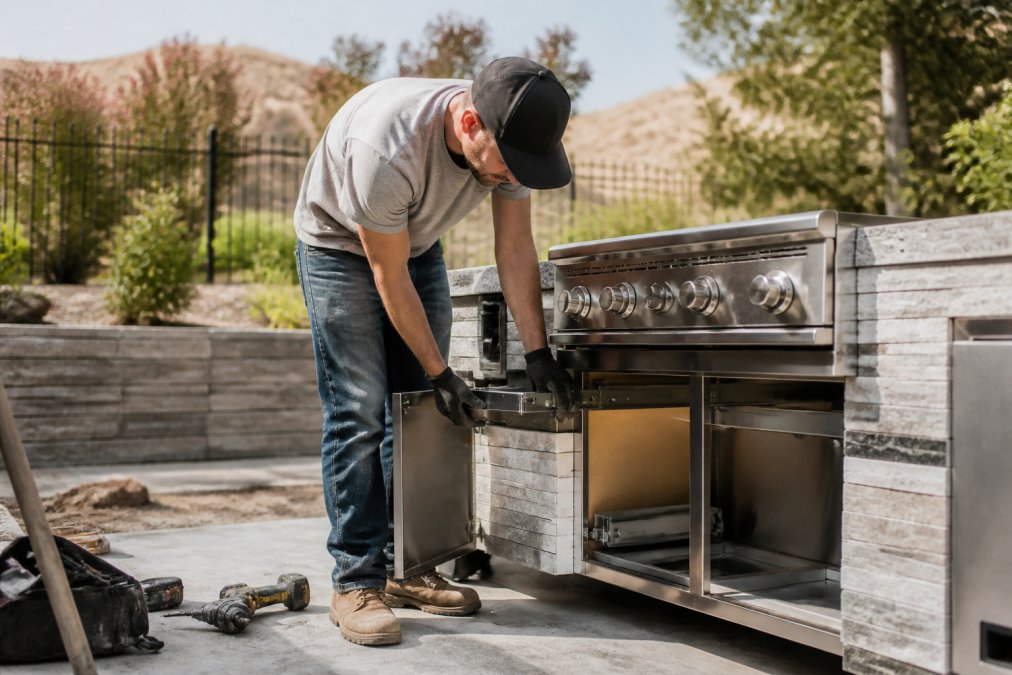
Professional installers handle the complexities most homeowners underestimate. Gas line installation requires proper pressure testing and safety compliance. Plumbing integration demands knowledge of drainage, freeze protection in colder climates, and code requirements that vary by jurisdiction. Electrical work for appliances and lighting needs to meet local building codes. A single mistake in any of these areas creates liability and expensive repairs down the road.
Beyond the technical requirements, professional outdoor kitchen installers bring design experience that prevents costly layout mistakes. They understand how traffic flows through a backyard, where shade matters for comfort, and how to position cooking zones for efficiency. They know which materials hold up in your specific climate and which ones fail prematurely. That knowledge compounds over years of use, the difference between a kitchen that feels great to use and one that becomes a frustration.
Key Considerations Before Hiring an Outdoor Kitchen Installer
Before you reach out to outdoor kitchen installers, clarify what you actually need. The scope of work determines everything else: timeline, cost, complexity, and which contractors can handle it.
Start with your site. What's the existing condition of your backyard? Is it level or sloped? Are there underground utilities, gas, electric, water, sewer, already mapped? Do you have mature trees that create shade patterns or root systems that complicate excavation? A contractor needs to assess these facts before quoting anything. Some sites require significant site preparation, grading, or utility relocation. Others are straightforward. The difference in cost and timeline can be substantial.
Next, define your design vision. Are you building a simple grilling station or a full outdoor kitchen with multiple cooking zones, a sink, refrigeration, and storage? Do you want an island layout or a linear setup? What materials appeal to you, stone veneer, granite countertops, stainless steel appliances? The more detailed your vision, the better a contractor can quote accurately and avoid scope creep during installation.
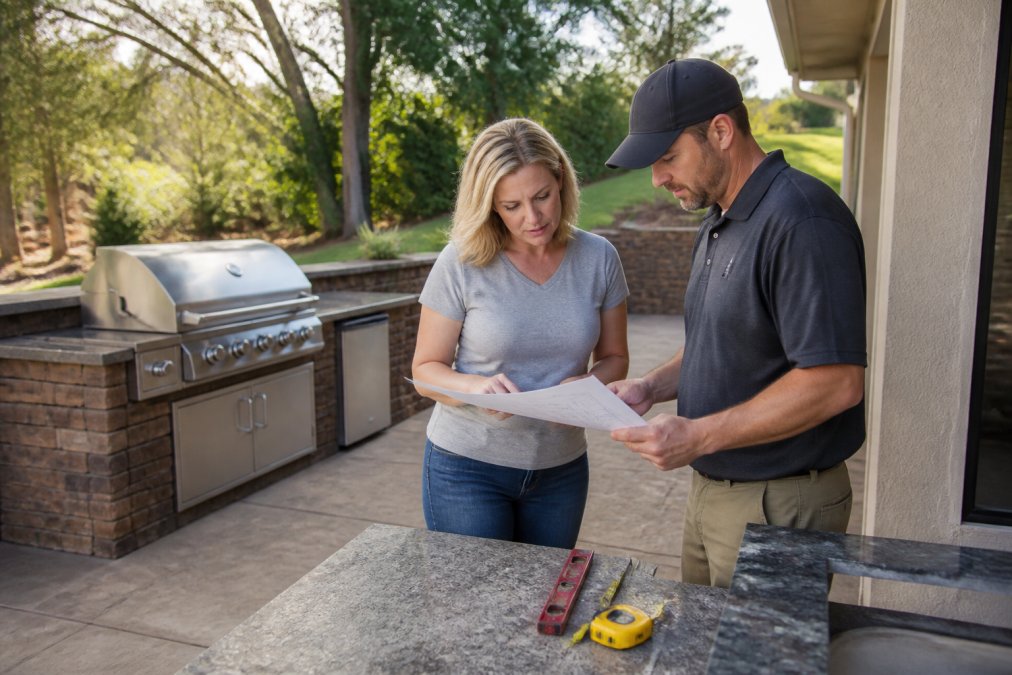
Consider your timeline. A simple grill installation might take a day. A custom outdoor kitchen with hardscaping, countertops, and multiple appliances typically takes 2-4 weeks, depending on complexity and material availability. Weather affects timelines too, contractors may pause work during heavy rain or extreme heat. Understanding realistic timelines prevents frustration and helps you plan around your schedule.
Budget matters early. Outdoor kitchen installation costs vary dramatically based on materials, size, and site conditions. Rather than guessing, get quotes from multiple outdoor kitchen installers. Those conversations reveal what's possible within your budget and what trade-offs exist. Some contractors offer modular kitchen options that let you expand later. Others work better for custom builds. Your budget determines which approach makes sense.
Questions to Ask Outdoor Kitchen Contractors
When you contact outdoor kitchen installers, the right questions separate experienced professionals from those who haven't handled enough projects to anticipate problems.
Ask about their experience with outdoor kitchen projects specifically. How many have they completed? How long have they been doing this work? Request references from recent clients in your area, people who can speak to the quality of work and whether the contractor handled problems professionally. A contractor with 26 years of experience, like allvalley, brings perspective on what works and what fails over time.
Inquire about permits and building codes. Who handles the permit application? Who ensures the work meets local codes? Some jurisdictions require permits for gas line work, electrical, plumbing, or structural elements. A contractor should know your local requirements and factor permit timelines into their schedule. If they seem vague about this, that's a red flag.
Ask about utility integration. If your design includes gas, water, or electrical connections, how does the contractor handle those? Do they subcontract to licensed plumbers and electricians, or do they have in-house expertise? What happens if utilities need to be rerouted or extended? Understanding their process prevents surprises.
Discuss material selection and sourcing. Can they recommend materials that perform well in your climate? How do they source appliances and materials? Do they have preferred suppliers? What's their warranty on materials versus labor? A good contractor explains why certain materials make sense for your specific situation.
Ask about the installation timeline and what could delay it. Weather, material delays, and unexpected site conditions all affect schedules. Understanding the contractor's contingency plan matters. What happens if they discover underground obstacles? How do they communicate delays to you?
Finally, ask about warranty coverage. What does the contractor guarantee on their work? How long? What's covered and what isn't? Do they provide ongoing maintenance support? A contractor confident in their work backs it with warranty coverage.
DIY vs Professional Outdoor Kitchen Installation: Which Is Right for You
The decision between DIY and professional outdoor kitchen installation depends on your skills, timeline, and risk tolerance.
DIY makes sense if you're building something simple, a basic grilling area with a concrete pad and a freestanding grill. You can handle that yourself if you're comfortable with basic construction and have the right tools. The cost savings are real. You avoid labor charges and can work at your own pace.
But here's where DIY breaks down: anything involving utilities. Gas line installation requires certification in most jurisdictions. Plumbing work needs to meet code and handle freeze protection properly. Electrical work for outdoor appliances demands knowledge of weatherproofing and safety standards. One mistake creates liability that insurance may not cover. Most homeowners lack the expertise to do this safely.
Even site preparation and hardscaping, which seem straightforward, require equipment and experience. Getting drainage right prevents water damage to your foundation. Ensuring proper slope for runoff matters. Compacting soil correctly prevents settling and cracks later. These details separate a kitchen that lasts from one that deteriorates quickly.
The timeline difference is significant too. A professional crew completes a mid-sized outdoor kitchen in 2-4 weeks. A homeowner doing it themselves might take months, working evenings and weekends. That extended timeline means your backyard is disrupted for longer.
Professional installation protects your investment. Manufacturer warranties often require professional installation. If something fails and you installed it yourself, the manufacturer may deny the claim. That's a costly mistake on a stainless steel appliance.
Consider hiring professional outdoor kitchen installers for the technical work, gas, plumbing, electrical, structural elements, while handling simpler tasks yourself if you want to save money. That hybrid approach gives you cost savings without the safety and warranty risks of full DIY.
Understanding Outdoor Kitchen Installation Cost Estimates
When outdoor kitchen installers provide quotes, understanding what drives costs helps you evaluate them fairly.
Material costs are the largest component. Stone veneer, granite countertops, and stainless steel appliances vary dramatically in price. A basic outdoor kitchen with budget materials costs less than one with premium finishes. Your design determines this more than the installer does. Get clear quotes on materials so you understand what you're paying for.
Labor costs depend on complexity and timeline. Simple projects cost less per day than complex ones requiring multiple skilled trades. A contractor with efficient crews and good scheduling may complete work faster than one with less experience. That affects total labor costs. Don't assume the lowest quote is the best, sometimes it reflects less experienced work or cutting corners on quality.
Utility integration adds cost. Running gas lines, water lines, and electrical requires licensed professionals in most areas. If utilities need to be extended or rerouted, costs increase significantly. Some sites have easy access to existing utilities; others require substantial trenching and installation. A site assessment reveals these costs.
Site preparation and hardscaping affect the budget. If your backyard needs grading, drainage work, or foundation preparation, that adds cost. If you already have a level, well-prepared space, you save money. Some contractors include site prep in their quote; others charge separately. Clarify what's included.
Permits and inspections are legitimate costs. A contractor building properly obtains permits, schedules inspections, and ensures code compliance. That process costs money and takes time. It's worth it, improper installation creates liability and future problems.
Get at least three quotes from different outdoor kitchen installers. Compare what's included in each quote. The lowest price isn't always the best value if it excludes important work or uses lower-quality materials. The highest price isn't always justified either. Look for quotes that are detailed, explain their methodology, and reference their experience.
Best Outdoor Kitchen Equipment Brands for 2026
The equipment you choose defines how well your outdoor kitchen performs. Quality matters because outdoor appliances face weather stress that indoor equipment never encounters.
Look for brands known for durability and weather resistance. Stainless steel construction resists rust better than painted finishes. Heavy-gauge materials hold up longer than thin ones. Sealed components protect electronics from moisture. These features cost more upfront but extend the life of your equipment significantly.
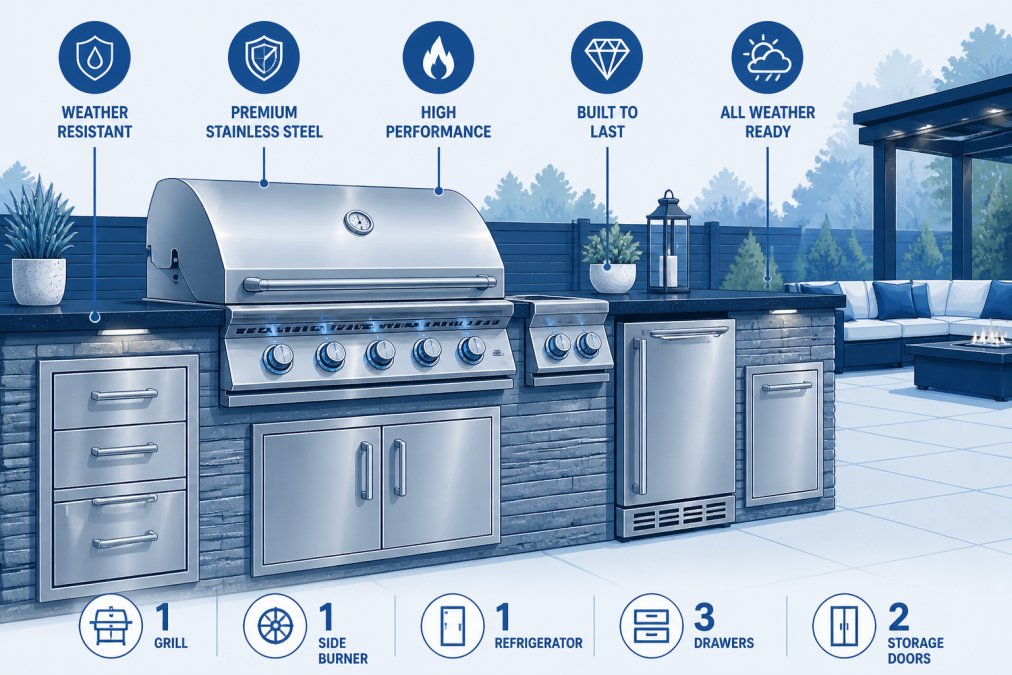
When evaluating best outdoor kitchen equipment brands, consider what you'll actually use. A grill you love to cook on gets used regularly. A refrigerator that keeps drinks cold and food fresh adds genuine value to entertaining. A sink makes cleanup realistic instead of running inside constantly. Prioritize equipment that matches how you'll actually use your outdoor kitchen.
Research warranty coverage. Quality brands stand behind their products with meaningful warranties. A 5-10 year warranty on the grill or appliance reflects confidence in durability. Check what's covered, does the warranty include parts and labor, or just parts? Does it cover rust or weather damage? A good warranty protects your investment.
Talk to contractors about equipment they recommend. They see what holds up over years of use in your climate. A contractor who's installed dozens of outdoor kitchens knows which brands perform well and which ones disappoint. That experience is valuable. At allvalley, we offer top-quality BBQ equipment.
Consider modular options if you're building in phases. Some equipment integrates into built-in kitchens while other pieces work as standalone units. That flexibility lets you expand your outdoor kitchen over time as budget allows.
What Happens After Installation: Permits, Maintenance, and Warranty
Installation is the beginning, not the end. What happens after the contractor finishes determines how well your outdoor kitchen serves you long-term.
Permits and inspections happen during installation, not after. A professional contractor schedules required inspections as work progresses. The final inspection certifies that everything meets code. You'll receive documentation, permits, inspection approvals, and completion certificates. Keep these records. They matter if you sell your home or need to file an insurance claim.
Maintenance keeps your outdoor kitchen performing well. Stainless steel needs occasional cleaning to prevent water spots and maintain appearance. Grills need grates cleaned regularly and grease traps emptied. Gas lines should be inspected annually for leaks. Plumbing should be flushed before winter to prevent freeze damage in colder climates. Sealants on stone countertops need reapplication every few years. A contractor can recommend a maintenance schedule specific to your equipment and climate.
Warranty coverage protects against defects. Manufacturer warranties on appliances typically run 1-5 years depending on the brand and part. Contractor warranties on labor and installation vary, some offer 1 year, others 5 years. Understand what's covered. Most warranties don't cover wear and tear or lack of maintenance. They cover defects in materials or workmanship.
If problems arise after installation, contact your contractor promptly. A reputable contractor stands behind their work and addresses legitimate issues. Documentation from your warranty paperwork and installation records supports warranty claims.
Regular maintenance and prompt attention to problems extend the life of your outdoor kitchen significantly. An outdoor kitchen properly maintained lasts 15-20 years or more. One neglected deteriorates quickly.
Conclusion
Hiring professional outdoor kitchen installers transforms a backyard renovation from a risky DIY project into a professionally executed outdoor living space. The right contractor brings expertise in design, utility integration, code compliance, and material selection, knowledge that prevents expensive mistakes and ensures your investment lasts.
When you're ready to build your outdoor kitchen, call allvalley at 760-342-5277. With over 26 years of experience transforming backyards into ultimate retreats, we handle professional installation of outdoor kitchens, BBQ equipment, and entertainment spaces. We manage the technical complexities, gas line installation, plumbing integration, permits, and inspections, so you get a kitchen that works beautifully and lasts. Our commitment to quality and professional craftsmanship means your outdoor kitchen becomes the gathering place you envisioned.
Frequently Asked Questions
What should I look for when hiring an outdoor kitchen contractor?
Look for contractors with verifiable experience in outdoor kitchen installations, proper licensing and insurance, and references from completed projects in your area. Ask about their process for handling permits, utility integration, and site preparation. Check reviews and confirm they warranty their workmanship. A reputable contractor will conduct a thorough site assessment before quoting and explain the timeline, materials, and potential challenges specific to your property.
How long does a professional outdoor kitchen installation typically take?
Most outdoor kitchen installations take 2-6 weeks depending on complexity, site conditions, and permit requirements. Simple grill islands may take 1-2 weeks, while full kitchens with gas lines, plumbing, and masonry work often require 4-6 weeks. Weather delays and permit processing can extend timelines. Your contractor should provide a detailed project schedule upfront and communicate any changes that affect the timeline.
Do I need permits for an outdoor kitchen installation?
Yes. Most jurisdictions require permits for outdoor kitchens, especially those involving gas lines, plumbing, electrical work, or structures. Permit requirements vary by location and scope of work. A professional installer handles permit applications and inspections, ensuring your project meets local building codes and fire safety regulations. Skipping permits can result in fines, failed inspections, and issues when selling your home.
Is it cheaper to build or buy an outdoor kitchen?
Buying a modular outdoor kitchen is typically faster and less expensive upfront than custom building. However, custom installations offer better integration with your space and often use superior materials. The total cost depends on your design complexity, material choices, utility requirements, and labor. Professional installation adds cost but ensures proper construction, code compliance, and warranty coverage that DIY projects lack.
This article was written using GrandRanker