 ultimate-guide
Antimicrobial Hot Tub Filters: Benefits & How They Work
Table of Contents
- What Antimicrobial Hot Tub Filters Do (And Don't Do)
- How Antimicrobial Hot Tub Filters Work
- Antimicrobial vs. Standard Hot Tub Filters: Key Differences
- Real Benefits for Your Spa Water and Filter Life
- How to Clean a Hot Tub Filter Properly
- How Often to Replace a Hot Tub Filter
- Is an Antimicrobial Filter Worth It for Your Hot Tub?
- Frequently Asked Questions
Last Updated: October 10, 2026
What Antimicrobial Hot Tub Filters Do (And Don't Do)
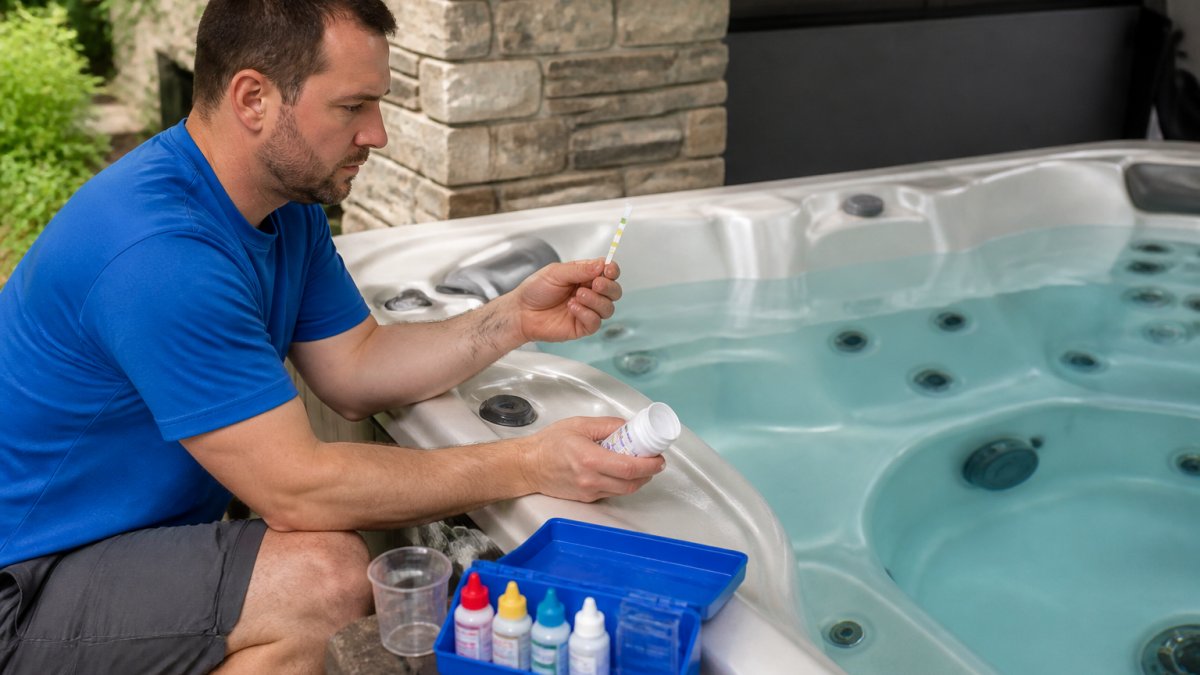
Antimicrobial hot tub filters are designed to inhibit microbial growth directly on the filter cartridge itself, not to disinfect your spa water. This distinction matters. Many homeowners confuse filter treatment with water sanitization; they're separate processes working in parallel. The filter's job is to capture debris, body oils, dirt, and contaminants. An antimicrobial coating adds a layer that slows bacteria, algae, mold, and mildew from colonizing the filter media between cleanings. Your sanitizer (chlorine or bromine) still does the heavy lifting of keeping water safe.
What the evidence actually shows: Antimicrobial filter media, typically treated with silver ions, copper compounds, or similar agents, demonstrably reduces biofilm formation on the cartridge surface when tested in controlled laboratory settings. Studies comparing treated and untreated media show slower microbial colonization and reduced odor-causing bacterial populations on the filter itself. However, this does not mean antimicrobial filters purify water or reduce pathogens in the spa basin.
What antimicrobial filters cannot do: They will not fix cloudy water caused by poor circulation, eliminate odor from insufficient sanitizer levels, or prevent algae blooms if your chemical balance drifts. They do not reduce chlorine or bromine demand, lower pH, or address mineral content. They are not a substitute for water testing, sanitizer maintenance, or routine chemical adjustment. A filter treated with antimicrobial compounds still requires the same chlorine or bromine residual (typically 2-4 ppm for hot tubs) and the same pH range (7.2-7.8) as a standard filter.
The real benefit emerges over time: Standard filters accumulate biofilm and organic buildup that can harbor pathogens between cleanings. Antimicrobial filters slow this process on the cartridge, which means your filter stays cleaner longer, requires less frequent deep cleaning, and your water clarity improves between drain cycles. This is a maintenance convenience and a modest extension of filter life, not a health or safety upgrade to your water treatment system.
How Antimicrobial Hot Tub Filters Work
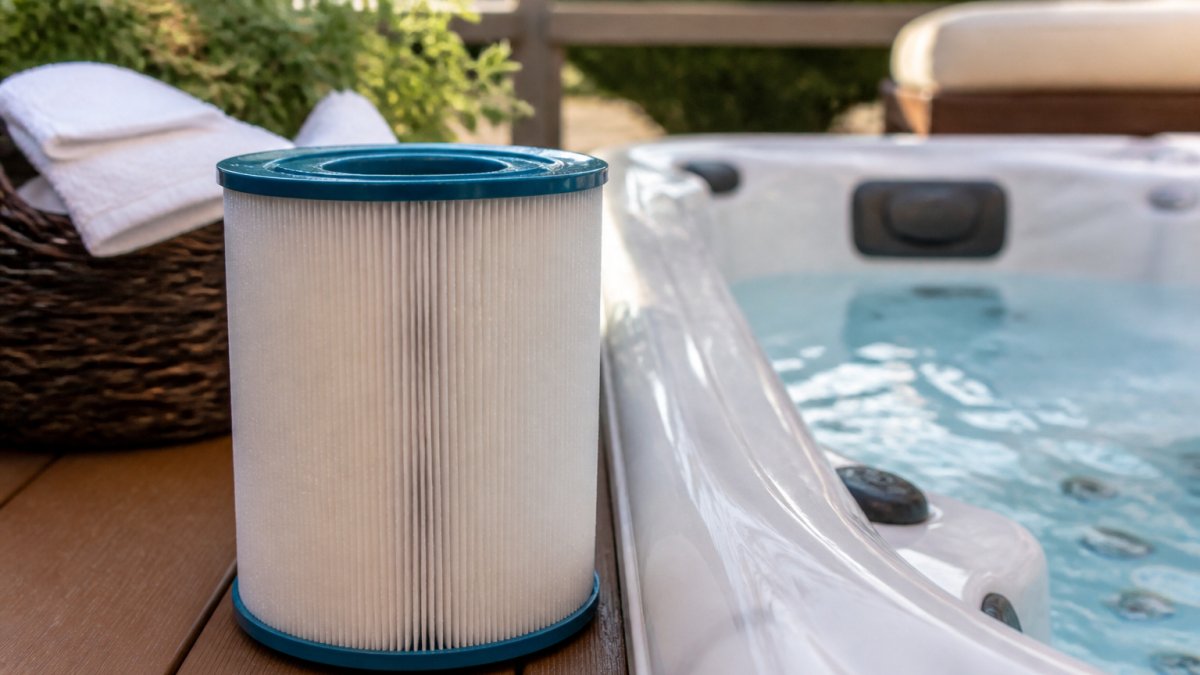
Antimicrobial hot tub filters typically use silver ion technology or similar embedded compounds that create an inhospitable environment for microbial colonization. When microorganisms contact the treated filter media, the antimicrobial agent disrupts their cell function, preventing them from establishing biofilm.
The mechanism is passive, no electricity or chemicals required. The antimicrobial treatment is woven into the filter material itself, so it works continuously as water circulates through the pleats. Over months of use, the antimicrobial coating gradually diminishes, which is why replacement remains necessary. Most antimicrobial cartridges maintain effectiveness for 12-24 months depending on usage and water quality.
Standard filter media lacks this protection. Without antimicrobial treatment, organic matter trapped in the pleats becomes a breeding ground for bacteria and algae, especially in warm spa water. This accelerates filter degradation and can contribute to odor and cloudy water even with proper sanitizer levels.
Antimicrobial vs. Standard Hot Tub Filters: Key Differences
The core difference lies in what happens to debris after capture. Both antimicrobial and standard filters trap body oils, dirt, and contaminants equally well. The divergence happens when that trapped material sits between cleanings.
Standard filters provide no resistance to microbial growth. Bacteria and algae colonize the organic matter, creating biofilm that clogs pores faster and reduces water clarity. You'll notice the filter needs cleaning more frequently, and water can develop an off smell despite adequate sanitizer.
Antimicrobial filters slow biofilm formation by inhibiting microbial reproduction on the filter media itself. This extends the interval between cleanings and helps maintain water clarity longer. The tradeoff is cost, antimicrobial cartridges typically cost more upfront than standard ones.
Neither type eliminates the need for regular cleaning or replacement. Both require rinsing every 1-2 weeks and deep cleaning monthly. The difference is that antimicrobial filters stay functional longer between deep cleans and maintain performance more consistently throughout their lifespan.
Real Benefits for Your Spa Water and Filter Life
Clearer water between drain cycles is the most tangible benefit. Because antimicrobial filters reduce biofilm buildup, water stays transparent longer. You'll notice less haze or cloudiness developing mid-week, which means fewer emergency cleanings and less frequent water changes.
Reduced odor is another practical advantage. Biofilm and bacterial colonies produce organic compounds that create that stale hot tub smell. Slowing their growth on the filter directly reduces odor production. Combined with proper sanitizer maintenance, antimicrobial filters help your spa smell fresher between water changes.
Extended filter life is where long-term value emerges. Standard filters degrade faster because biofilm clogs pores and increases pressure drop. Antimicrobial filters maintain flow rates more consistently, which means the cartridge stays effective longer before replacement becomes necessary. If you're buying filters regularly, switching to antimicrobial can reduce annual replacement costs over time.
Lower maintenance frequency is real but modest. You'll still clean regularly, but the intervals can stretch slightly because the filter resists rapid biofilm accumulation. For busy homeowners, that's a genuine convenience factor.
How to Clean a Hot Tub Filter Properly
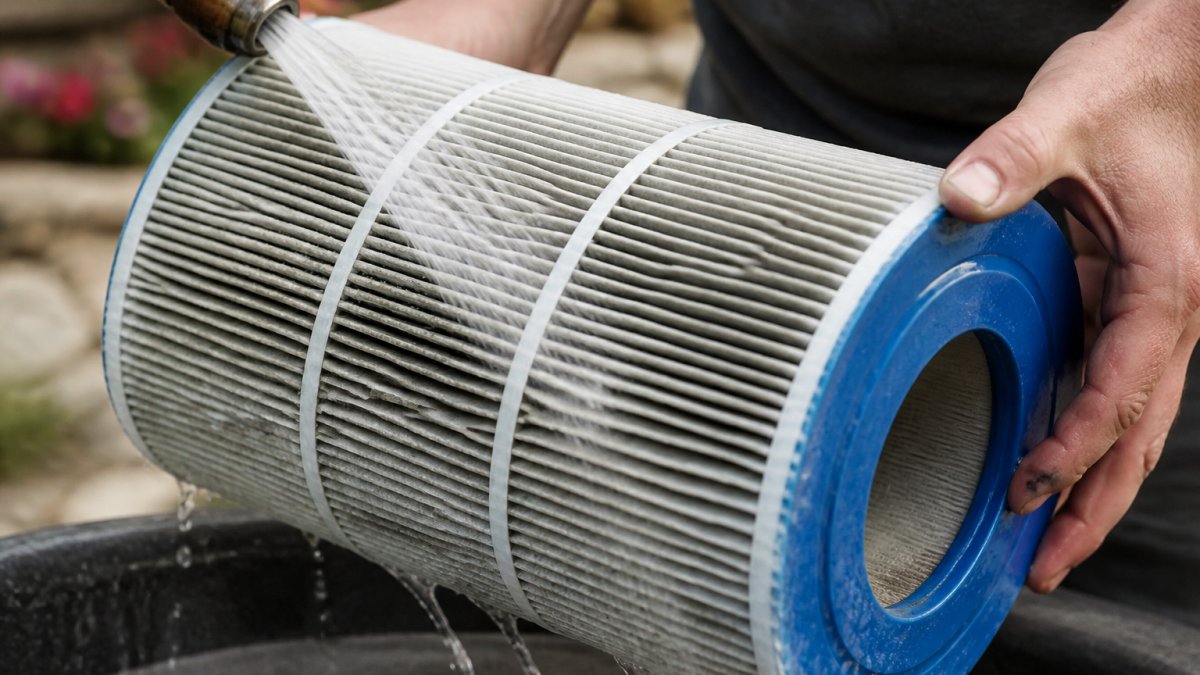
Weekly rinsing routine: Rinse your filter every 7-10 days to remove surface debris and prevent rapid pressure buildup. Use a garden hose with moderate pressure (40-60 psi), directing water between the pleats from top to bottom. Start at the top of the cartridge and work downward so debris flows away from the media. Avoid high-pressure washers (above 80 psi) and pressure-washing equipment; they damage the pleated media and can tear the filter material, reducing its effective lifespan by months. Rinse until water runs clear, typically 2-3 minutes per cartridge.
Monthly deep cleaning: Once monthly, soak the cartridge for 4-8 hours in a filter cleaning solution (follow product instructions for dilution ratios; typical solutions are 1 part cleaner to 10-20 parts water). This dissolves accumulated oils, minerals, and sunscreen residue that rinsing alone cannot remove. After soaking, rinse thoroughly with clean water until the rinse water is clear and no soap residue remains. For antimicrobial filters specifically, avoid aggressive scrubbing or brushing during or after soaking; the antimicrobial coating is a surface treatment that can wear away with mechanical abrasion.
Pressure gauge monitoring: Check your spa's filter pressure gauge weekly. A clean filter typically reads 10-20 psi (depending on your pump and plumbing). When pressure rises to 25-30 psi, schedule a deep clean. If pressure climbs above 30 psi despite recent cleaning, the filter may be clogged with mineral deposits or debris that soaking alone cannot remove. At this point, consider a chemical filter cleanse (a stronger overnight soak) or evaluate whether the filter is nearing end-of-life.
Signs your filter needs replacement:
- Persistent cloudiness even 24 hours after cleaning and with proper sanitizer levels
- Pressure remains above 25 psi after deep cleaning and rinsing
- Visible tears, holes, or collapsed pleats in the filter media
- Odor that cleaning does not resolve within 48 hours
- Water clarity degrades within 2-3 days of cleaning (indicating the filter is no longer capturing fine particles effectively)
- Age: Most filters reach end-of-life at 12-24 months; if your filter is older than 18 months and showing any of the above signs, replacement is more cost-effective than repeated deep cleaning
Seasonal or heavy-use adjustments: If your spa is in daily or near-daily use, or if you live in a high-dust or high-pollen area, increase rinsing to every 5 days and deep cleaning to every 2 weeks. Heavy use and environmental debris accelerate filter clogging regardless of antimicrobial treatment. Keep a replacement cartridge on hand so you can swap it out immediately when needed; running a spa with a failing filter reduces water clarity and puts stress on your circulation pump, potentially shortening pump life.
How Often to Replace a Hot Tub Filter
Standard filters typically need replacement every 12-18 months with regular maintenance. Antimicrobial filters often extend this to 18-24 months because they resist degradation more effectively. Actual lifespan depends on usage frequency, water chemistry, and how consistently you clean.
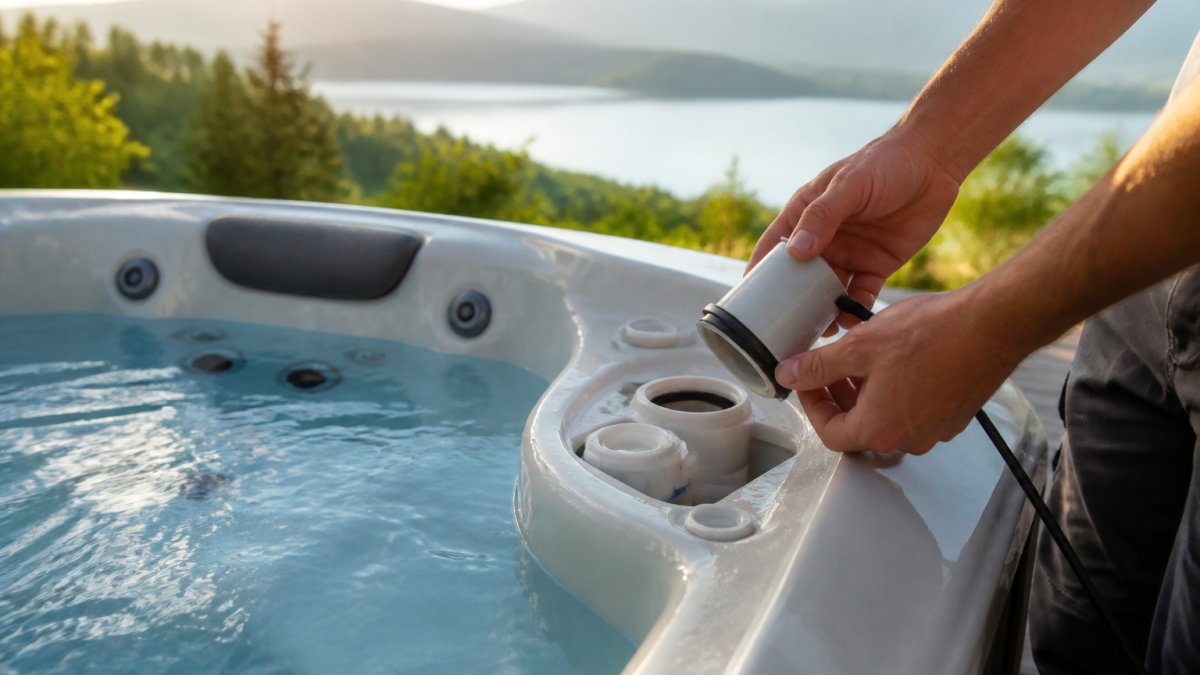
Signs your filter needs replacement: persistent cloudiness even after cleaning, rising pressure gauge readings, or visible tears in the media. If your spa is in heavy use (daily or near-daily), you may replace filters annually regardless of type.
Keep a replacement cartridge on hand so you can swap it out immediately when needed. Running a spa with a failing filter reduces water clarity and puts stress on your circulation system. At allvalley, we include starter kits with new hot tub purchases to help you stay ahead of maintenance from day one.
Is an Antimicrobial Filter Worth It for Your Hot Tub?
The decision hinges on your priorities and usage patterns. If you use your spa daily or several times weekly, antimicrobial filters deliver measurable value. Clearer water between cleanings, reduced odor, and extended cartridge life justify the higher upfront cost over a 12-month period.
If you use your spa casually, a few times monthly, standard filters may be sufficient. The convenience gains are smaller when usage is light, and the cost difference becomes more significant relative to your benefit.
Water quality also matters. Hard water or high mineral content accelerates filter degradation regardless of antimicrobial treatment. If your water chemistry is challenging, antimicrobial filters help but don't eliminate the underlying issue.
| Factor | Antimicrobial Filter | Standard Filter |
|---|---|---|
| Water clarity | Maintains longer between cleanings | Degrades faster with biofilm |
| Odor control | Reduces biofilm-related odor | More prone to odor buildup |
| Filter lifespan | 18-24 months typical | 12-18 months typical |
| Cleaning frequency | Slightly less frequent | More frequent deep cleaning |
| Upfront cost | Higher | Lower |
| Best for | Heavy/frequent use | Casual/light use |
The real question is whether extended filter life and improved water clarity justify the premium. For most homeowners who want reliable, low-maintenance spa performance, antimicrobial filters are a smart choice. They align with the allvalley philosophy of quality products that minimize maintenance hassles.
Keeping your spa water clear and your filter performing well requires the right equipment and consistent care. Antimicrobial hot tub filters are a proven way to extend filter life and maintain water clarity, especially if you're using your spa regularly. The free starter kit and chemicals included with allvalley hot tub purchases give you everything needed to get started on the right foot. EPA guidance on hot tub water quality recommends regular filter maintenance as a cornerstone of safe spa operation. When you're ready to upgrade your backyard retreat with a quality hot tub backed by 26 years of expertise, call allvalley at 760-342-5277 for professional delivery and installation.
Frequently Asked Questions
What are the main benefits of antimicrobial hot tub filters?
Antimicrobial hot tub filters reduce odor, mold, mildew, and bacteria growth on the filter cartridge itself. They inhibit microbial buildup between cleanings, keeping your filter fresher longer and improving water clarity. The cartridge stays cleaner, which means less frequent deep cleaning and a longer lifespan. However, they don't replace sanitizer in your spa water, they only protect the filter media from degradation caused by microbial growth.
How do antimicrobial hot tub filters prevent bacteria and mold growth?
Antimicrobial filters use treated filter media embedded with agents that inhibit microbial growth on the cartridge surface. When water circulates through the pleats, the antimicrobial treatment prevents bacteria, algae, mold, and mildew from colonizing the filter fabric. This keeps the filter media cleaner and reduces odor caused by trapped debris and microbial activity. The treatment works on the filter itself, not on the spa water, so you still need proper chemical balance and sanitizer in your hot tub.
Do antimicrobial hot tub filters reduce the need for chemicals?
No. Antimicrobial filters treat the cartridge, not the water. You still need proper sanitizer, pH balance, and alkalinity levels in your spa. What they do reduce is filter maintenance frequency, the cartridge stays cleaner longer because microbial growth is inhibited on the media. This means less rinsing and deeper cleaning, but your chemical routine remains the same.
How much longer do antimicrobial filters last compared to standard ones?
Antimicrobial filters often have an extended life due to reduced microbial degradation of the filter fabric. However, lifespan depends on water quality, flow rate, debris load, and cleaning frequency. Regular rinsing and occasional deep cleaning are still essential to maximize cartridge life, regardless of type.