 ultimate-guide
Cost of Professional Backyard Renovation: 2026 Guide
Table of Contents
- What Determines the Cost of Professional Backyard Renovation
- Average Cost Breakdown by Project Scope and Size
- Hardscaping vs Softscaping Costs: Where Your Budget Goes
- Backyard Renovation Timeline and Its Impact on Project Costs
- Hiring a Landscape Architect vs Contractor: Cost Comparison
- Backyard Renovation ROI: Does Your Investment Pay Off
- Hidden Costs and How to Budget Realistically
- Frequently Asked Questions
Last Updated: August 11, 2026
What Determines the Cost of Professional Backyard Renovation
The cost of professional backyard renovation hinges on several interconnected factors that vary dramatically from one project to the next. Understanding what drives pricing is the first step toward creating a realistic budget that won't derail halfway through construction.
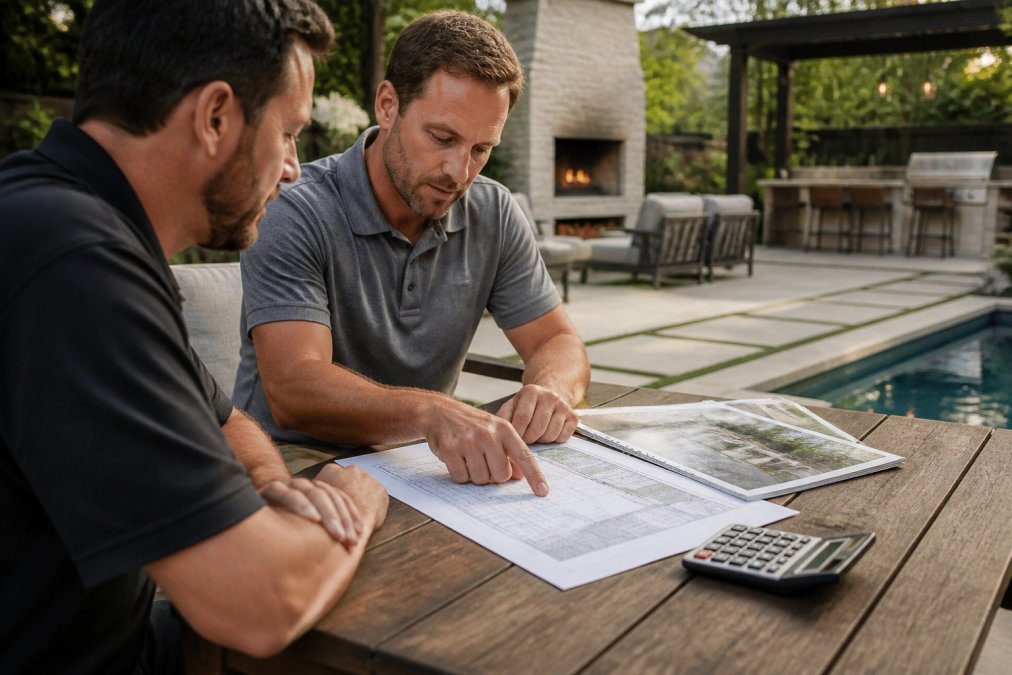
Project scope stands as the primary cost driver. A modest patio refresh costs far less than a complete backyard overhaul that includes hardscaping, softscaping, irrigation systems, outdoor lighting, and entertainment spaces. The size of your yard matters too, a 500-square-foot renovation requires different labor and material investment than a 2,000-square-foot transformation.
Site conditions significantly impact expenses. Properties requiring extensive site preparation, grading adjustments, or drainage solutions will incur higher costs than level, well-draining lots. If your backyard has poor soil quality, you'll need soil amendment and backfill work before any planting can occur. Existing structures that need removal or relocation add labor costs quickly.
The choice between hardscape materials, pavers, composite decking, stone, concrete, creates substantial price variation. Premium materials like natural stone command higher per-unit costs than standard concrete. Your contractor's markup on materials also factors in; most landscape contractors apply a 20-40% markup depending on the material type and project complexity.
Labor availability in your region affects pricing directly. Contractors in high-demand areas charge more than those in less competitive markets. The complexity of your design, whether you're installing a simple patio or an intricate landscape architecture plan with multiple elevation changes, determines how many hours your project requires.
Seasonal timing influences cost as well. Off-season projects (late fall through early spring) often come with lower labor rates, while peak season (spring and early summer) sees premium pricing as contractors fill their schedules.
Average Cost Breakdown by Project Scope and Size
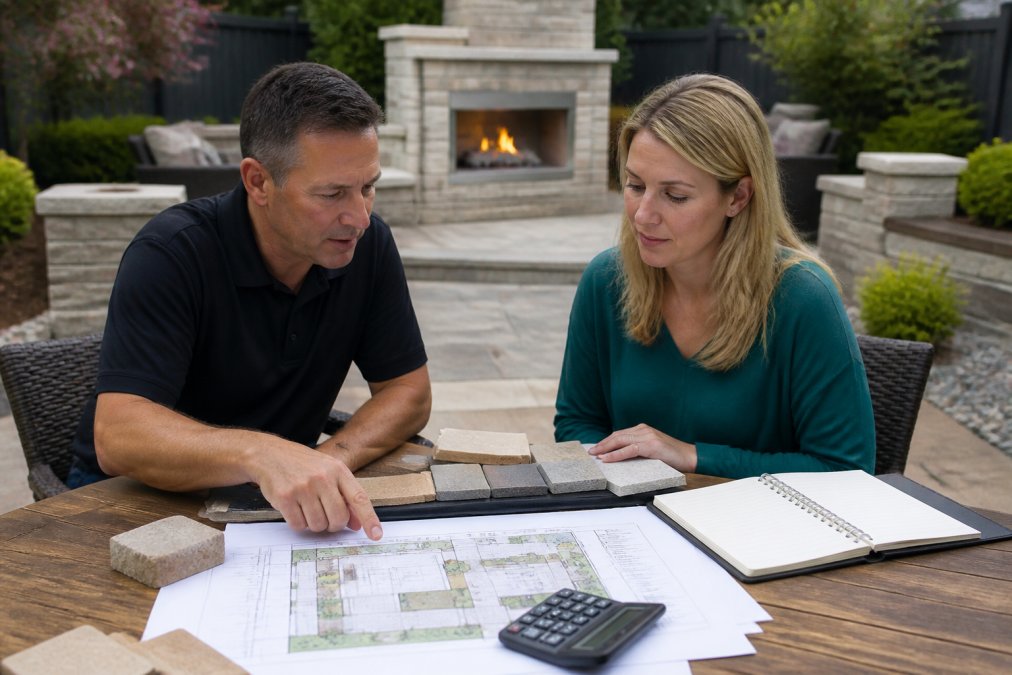
Small backyard renovation projects, typically under 500 square feet focusing on a single element like a patio or deck, generally fall into the modest investment range. These might include basic hardscape installation, simple planting zones, or pergola installation without major site prep work.
Medium-scale projects spanning 500 to 1,500 square feet represent the most common backyard renovation category for homeowners. These typically combine multiple elements: a primary hardscape feature (deck or patio), landscape design work, planting beds with softscape maintenance planning, and potentially basic outdoor lighting. The cost of professional backyard renovation at this scale accounts for more complex site grading and potentially some drainage solutions.
Large comprehensive renovations exceeding 1,500 square feet often transform the entire outdoor living space. These include extensive hardscaping, multiple softscaping zones, irrigation system installation, professional landscape architecture services, outdoor lighting design, and often entertainment features like built-in seating or cooking areas.
| Project Type | Typical Size | Budget Range | Primary Components |
|---|---|---|---|
| Small renovation | Under 500 sq ft | Entry-level investment | Single patio or deck, basic planting |
| Medium renovation | 500-1,500 sq ft | Mid-range investment | Patio + planting + lighting basics |
| Large renovation | 1,500+ sq ft | Premium investment | Full landscape design, multiple hardscape features, irrigation |
The cost of professional backyard renovation also depends heavily on whether you're starting from scratch or working with existing landscaping. A yard with established trees and good drainage requires less site preparation than one that needs complete grading and soil amendment. Your contractor will assess these conditions during the initial consultation to provide accurate pricing.
Material costs typically consume 40-50% of the total budget for hardscape-heavy projects, while labor represents 35-45%. Design fees, permits, and contingency costs round out the remainder. Understanding this breakdown helps you allocate funds strategically across different renovation components.
Hardscaping vs Softscaping Costs: Where Your Budget Goes
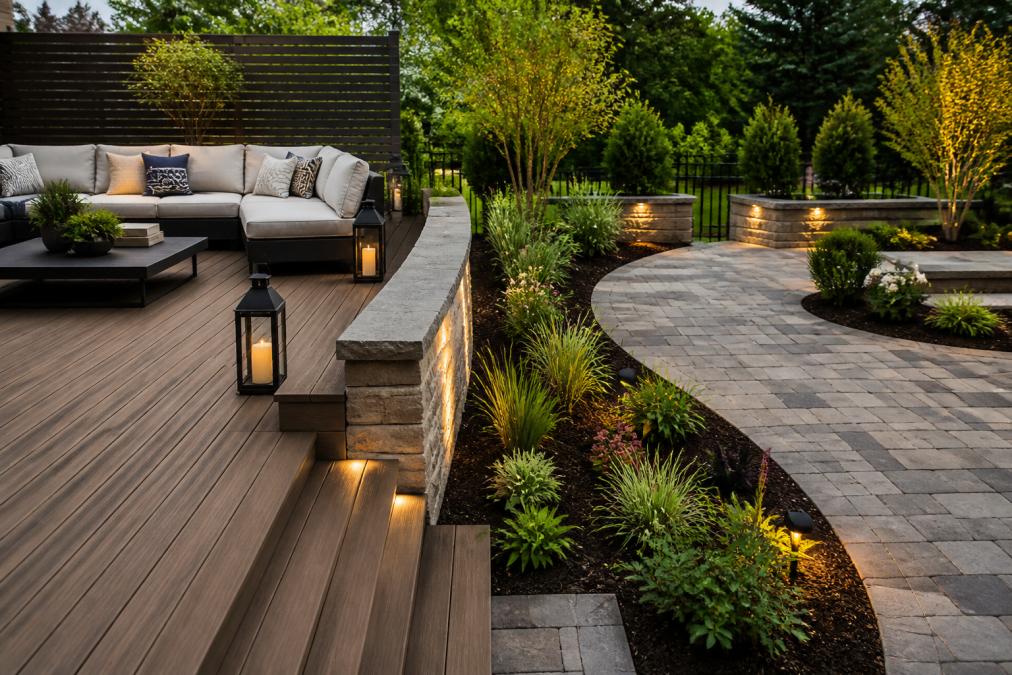
Hardscaping, the permanent structural elements like pavers, decking, retaining walls, and pergolas, typically consumes 50-70% of renovation budgets. These elements require excavation, site grading, proper drainage solutions, and skilled installation. Composite decking costs more upfront than pressure-treated wood but requires less maintenance. Stone pavers demand precision installation to ensure proper drainage and longevity. Retaining walls provide both functional drainage and aesthetic appeal but require engineering considerations for stability.
Softscaping encompasses planting, mulch installation, turf work, and landscape maintenance planning. While individual plant costs seem modest, comprehensive planting zones across a large yard add up quickly. Quality soil amendment ensures plants thrive, and proper mulch installation protects roots while managing moisture. Many homeowners underestimate softscaping costs because they focus on the visible hardscape elements first.
The relationship between hardscaping and softscaping should reflect your lifestyle and maintenance preferences. A low-maintenance yard might skew 70% hardscape with minimal planting. A garden-focused renovation might reverse this ratio. Your landscape architect can help balance these elements based on your priorities and budget constraints.
Hidden within these categories are less obvious expenses. Irrigation system installation adds significant cost but delivers years of water efficiency and plant health. Outdoor lighting transforms the space functionally and aesthetically, pathway lighting, accent lighting for hardscape features, and ambient lighting for entertaining all require proper electrical work and positioning.
Drainage solutions represent another critical softscaping investment that homeowners often overlook. Proper grading and drainage systems prevent water damage to hardscape elements and protect your home's foundation. This work happens during site preparation but directly influences the longevity of your entire renovation.
Backyard Renovation Timeline and Its Impact on Project Costs
The backyard renovation timeline directly affects labor costs and material pricing. A project compressed into four weeks requires contractors to allocate premium labor resources and potentially rush material ordering, both of which increase expenses. A phased renovation strategy, completing hardscaping in year one and adding softscaping enhancements in year two, allows you to spread costs across multiple budget cycles and often results in lower per-phase expenses.
Seasonal timing influences both labor availability and material costs. Spring and early summer represent peak season for landscape contractors, meaning higher hourly rates and longer wait times for scheduling. Fall and winter projects often receive contractor discounts of 10-20% as demand decreases. However, winter weather can complicate certain tasks like soil amendment and planting, potentially extending timelines.
Weather delays are genuine cost factors. A project delayed by heavy rain or unexpected site conditions requires contractors to remobilize equipment and crews, adding labor costs. Building contingency time into your project timeline, typically 10-15% of the estimated duration, protects against these surprises.
The phased renovation approach deserves special attention for budget-conscious homeowners. Year one might focus on essential hardscaping and site preparation, establishing the foundation for future work. Year two adds irrigation systems and planting. Year three introduces outdoor lighting and entertainment features. This strategy lets you spread financial burden across multiple years while still creating a cohesive final vision. Each phase should stand alone as a complete, functional space even before subsequent phases begin.
Hiring a Landscape Architect vs Contractor: Cost Comparison
The decision between hiring a landscape architect versus working directly with a general landscape contractor significantly impacts both upfront costs and long-term project success. Understanding these roles clarifies where your money goes and what value each professional provides.
A landscape architect brings formal training in design, site analysis, drainage engineering, and project management. They create detailed plans, specifications, and material lists that contractors use for accurate bidding and execution. Landscape architecture fees typically range from 5-15% of total project cost, depending on project complexity and the architect's experience level. For a $50,000 renovation, expect landscape design fees between $2,500 and $7,500.
A general landscape contractor handles site preparation, hardscaping installation, planting, and project management. They may or may not include design services, many work from existing plans or provide basic design consultation at no charge. Contractor pricing focuses on labor and material costs for execution rather than upfront design fees.
The cost of professional backyard renovation often increases when you hire a landscape architect first, but this expense frequently saves money during execution. Detailed plans prevent costly mistakes, reduce change orders, and allow contractors to provide accurate bids without contingencies. Projects proceeding without professional design often encounter unforeseen site conditions or design conflicts that require expensive mid-project corrections.
For smaller projects under $15,000, working directly with an experienced contractor often makes financial sense. They can provide adequate design consultation while managing costs tightly. For complex renovations exceeding $30,000, engaging a landscape architect early typically proves more economical despite the upfront design fee.
Many homeowners benefit from a hybrid approach: hiring a landscape architect for the master plan and initial design phase, then working with a contractor for execution. This splits the cost while ensuring professional-quality design and practical construction expertise.
Backyard Renovation ROI: Does Your Investment Pay Off
Return on investment for backyard renovations varies significantly based on project type, materials chosen, and local real estate market conditions. Understanding ROI helps justify renovation expenses and informs decisions about where to allocate budget.
Hardscape installations, quality decking, patios, and pergolas, typically return 50-70% of their cost at resale. These elements add functional outdoor living space and enhance curb appeal, making them attractive to future buyers. Natural stone pavers outperform concrete in resale value, though they cost more initially.
Softscaping and landscape design improvements return 20-40% of investment at resale. While beautiful planting and mature landscaping enhance property appeal, they're less tangible than hardscape features and vary in buyer preference. However, their maintenance and water efficiency benefits appeal to environmentally conscious buyers.
Irrigation systems and drainage solutions deliver strong ROI indirectly. They protect hardscape investments and ensure landscape health, extending the life of your renovation. Buyers recognize quality irrigation as a valuable feature that reduces maintenance burden.
The true value of backyard renovation extends beyond resale ROI. The cost of professional backyard renovation becomes justified when you consider years of personal enjoyment, increased home functionality, and enhanced outdoor entertaining space. A well-designed backyard transforms how you use your property daily, hosting gatherings, relaxing with family, or simply enjoying a peaceful outdoor retreat.
Phased renovation approaches optimize ROI by prioritizing high-impact elements first. Year one hardscaping creates immediate functional improvement. Subsequent years add refinements that compound the value without requiring complete rework.
Hidden Costs and How to Budget Realistically
Experienced homeowners know that renovation projects routinely encounter unexpected expenses. Building realistic contingency into your budget prevents financial surprises and allows projects to proceed smoothly when issues arise.
Permit requirements vary by jurisdiction but typically cost $100-500 depending on project scope. Some municipalities require separate permits for hardscaping, electrical work (outdoor lighting), irrigation systems, and structural elements like retaining walls. Your contractor should handle permit acquisition, but costs pass through to you. Factor these into your budget upfront rather than treating them as surprises.
Site discovery issues emerge frequently during excavation. Underground utilities, gas lines, electrical conduits, water mains, might require rerouting or careful navigation. Unexpected rock formations, poor soil conditions requiring amendment, or contaminated soil needing remediation add costs quickly. A contingency reserve of 10-15% of your total budget protects against these discoveries.
Material price fluctuations affect budget accuracy. Natural stone prices vary seasonally, composite decking pricing changes with petroleum costs, and landscape plant availability influences pricing. Locking in material pricing early and securing delivery commitments reduces this uncertainty.
Labor cost overruns occur when site conditions prove more challenging than anticipated. Difficult grading, complex drainage solutions, or poor soil requiring extensive amendment extends labor hours. Your contract should specify how change orders are handled and what rate applies to unexpected work.
Seasonal cost adjustments matter significantly. Off-season projects (late fall through early spring) often come with 10-20% labor discounts compared to peak season. However, weather delays can offset these savings, so timing requires careful consideration.
Maintenance cost projections should factor into your budget discussions. Different materials require different maintenance levels. Composite decking costs more initially but requires minimal upkeep. Natural stone pavers need occasional resealing. Irrigated planting beds require seasonal adjustments. Understanding these ongoing costs helps you choose materials aligned with your long-term maintenance commitment.
At allvalley, we've helped homeowners navigate backyard renovation costs and decisions. Our 26 years of experience delivering and installing premium outdoor products, from hot tubs and spas to BBQ equipment and fireplaces, has taught us that professional installation and quality materials prevent costly problems down the road. Whether you're planning a complete landscape transformation or adding premium entertainment features to your outdoor space, realistic budgeting and professional guidance ensure your renovation delivers lasting value.
Professional backyard renovation transforms how you experience your home, but success requires clear understanding of costs, realistic budgeting, and strategic planning. The cost of professional backyard renovation varies dramatically based on scope, materials, and site conditions, but informed decisions about hardscaping versus softscaping, design investment, and phased approaches help you maximize value within your budget. Start with a detailed site assessment, engage qualified professionals for complex elements, and build contingency reserves for the unexpected. Call allvalley at 760-342-5277 to discuss your backyard vision and learn how professional installation of premium outdoor products can complete your renovation with reliability and minimal maintenance hassles.
Frequently Asked Questions
How much should I budget for a professional backyard renovation?
Budget ranges vary widely based on project scope, location, and materials. Small updates (new plantings, mulch, basic irrigation) may run $3,000-$8,000. Mid-sized projects (adding hardscaping, retaining walls, outdoor lighting) typically cost $15,000-$35,000. Full backyard renovations with landscape architecture, extensive hardscaping, and premium materials can exceed $50,000. Your actual cost depends on square footage, site preparation needs, material choices, and labor. Contact allvalley for a customized quote based on your specific vision.
What's the difference between hardscaping and softscaping costs?
Hardscaping (pavers, composite decking, retaining walls, pergolas, outdoor lighting, drainage solutions) typically costs more upfront but requires less ongoing maintenance. Softscaping (planting zones, mulch installation, soil amendment, vegetation) costs less initially but demands regular maintenance. A balanced approach combines both: hardscaping creates structure and low-maintenance outdoor living spaces, while softscaping adds greenery and curb appeal. Most professional backyard renovations allocate 40-60% to hardscape and 40-60% to softscape, depending on your priorities.
Does a backyard renovation actually increase home resale value?
Yes, when done strategically. Outdoor living spaces, particularly those with hardscape elements, retaining walls, and functional design, can return 50-75% of renovation costs at resale. Curb appeal improvements and expanded outdoor entertaining areas appeal to buyers. However, ROI depends on your market, renovation quality, and whether upgrades match neighborhood standards. Overbuilding (spending far more than comparable homes) reduces ROI. Work with a landscape architect or contractor who understands your local market to maximize return on investment.
How long does a typical professional backyard renovation take?
Timeline depends on project complexity. Small projects take 2-4 weeks. Mid-sized renovations with hardscaping, irrigation systems, and new plantings typically run 4-8 weeks. Large full-yard transformations can take 8-12 weeks or longer, especially if permits are required or site grading and excavation work is extensive. Phased renovation strategies, completing hardscaping first, then softscaping, can extend timelines but spread costs across multiple seasons. Discuss your backyard renovation timeline with your contractor to understand dependencies and budget accordingly.
This article was written using GrandRanker