 how-to
Low Maintenance Hot Tub Tips: 7 Easy Steps
Table of Contents
- Choose the Right Low Maintenance Hot Tub System
- Master a Hot Tub Water Chemistry Guide
- How to Clean Hot Tub Filters Efficiently
- How Often to Change Hot Tub Water
- Automate Maintenance With Smart Technology
- Budget-Friendly Maintenance Hacks
- Common Maintenance Mistakes to Avoid
- Conclusion
Last Updated: August 25, 2026
Choose the Right Low Maintenance Hot Tub System
The foundation of a low maintenance hot tub starts with selecting equipment designed to minimize ongoing effort. Not all hot tubs are created equal when it comes to upkeep demands. Some systems require constant chemical adjustments and frequent filter cleaning, while others handle much of the work automatically.
Saltwater systems represent one of the most significant advances in reducing maintenance burden. Unlike traditional chlorine-based setups, a saltwater system uses a chlorine generator to convert dissolved salt into chlorine on demand. This approach eliminates the need for manual chlorine additions and delivers more consistent sanitization. The water feels gentler on skin and eyes compared to heavily chlorinated alternatives, and you'll spend far less time balancing chemical levels.
Ozone generators and UV purification systems offer complementary benefits. Ozone breaks down contaminants and reduces chlorine demand, while UV light kills bacteria and algae without adding chemicals to the water. Many modern low maintenance hot tub designs combine these technologies, creating a multi-layered approach that keeps your spa crystal clear with minimal intervention.
At allvalley, we've spent over 26 years helping homeowners understand which systems actually deliver on their low maintenance promises. Our hot tubs arrive with free starter kits and chemicals included, so you're not scrambling to figure out what you need on day one. The right system paired with proper initial setup puts you miles ahead.
Filter quality matters more than most people realize. Cartridge filters are easier to maintain than sand filters and require less frequent replacement. Look for systems with larger filter surface areas, which extend cleaning intervals and reduce how often you'll need to rinse or replace cartridges.
Master a Hot Tub Water Chemistry Guide
Water chemistry is where most hot tub owners either succeed or struggle. Get this right, and maintenance becomes genuinely simple. Neglect it, and you're fighting an uphill battle. The good news is that modern testing kits and automated dispensers have made chemistry management far less intimidating than it used to be.
Understanding pH Balance and Alkalinity
pH balance is the measure of how acidic or alkaline your water is, on a scale from 0 to 14. For a hot tub, the ideal pH range is 7.2 to 7.8 (the CDC). When pH drifts outside this range, several problems cascade: chlorine becomes less effective, water clarity suffers, and your skin and eyes become irritated.
Alkalinity acts as a buffer that stabilizes pH. Think of it as a shock absorber for chemical fluctuations. Total alkalinity should sit between 80 and 120 ppm (parts per million) (the CDC). When alkalinity is too low, pH swings wildly with every adjustment. When it's too high, pH becomes stubborn and resistant to change.
The relationship between these two is critical: alkalinity controls how stable pH stays, while pH determines how effectively your sanitizer works. Many maintenance headaches stem from people adjusting pH without addressing alkalinity first. Fix alkalinity, and pH usually follows.
Most water testing kits now include digital readers or test strips that show both values instantly. Test these parameters at least twice per week during heavy use, once weekly during moderate use. The few minutes spent testing prevents hours of chemical troubleshooting down the road.
Calcium Hardness and Total Dissolved Solids
Calcium hardness measures dissolved minerals in your water. The target range is 200 to 400 ppm (the CDC). Too little calcium, and the water becomes corrosive to equipment and spa surfaces. Too much, and you get cloudy water and mineral scale buildup on jets and heaters.
Total dissolved solids (TDS) represents the cumulative buildup of all dissolved minerals, salts, and organic compounds. As you use your hot tub, TDS gradually increases. When TDS exceeds 1500 ppm, water chemistry becomes nearly impossible to manage, and you'll need to drain and refill.
Here's the practical takeaway: calcium hardness and TDS are interconnected. You can't control one without considering the other. In areas with hard water, calcium hardness climbs faster. In dry climates with high evaporation, TDS accumulates quicker. Understanding your local water chemistry before filling your spa helps you anticipate these challenges.
Many low maintenance hot tub owners test TDS monthly and plan a complete drain and refill every 3 to 4 months. This preventative approach keeps chemistry manageable and prevents the scenario where your water becomes impossible to balance.
How to Clean Hot Tub Filters Efficiently
Filter maintenance is where you'll spend the most hands-on effort. A clogged filter reduces circulation, which means poor water clarity and uneven sanitization. The good news is that regular cleaning takes only 10 to 15 minutes and prevents expensive filter replacements.
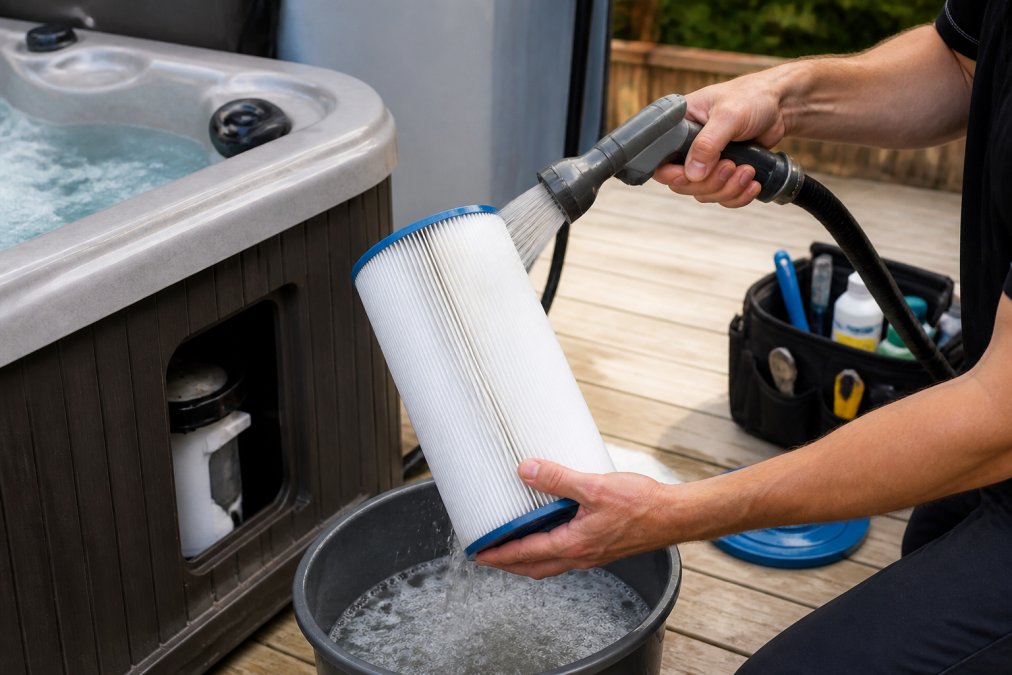
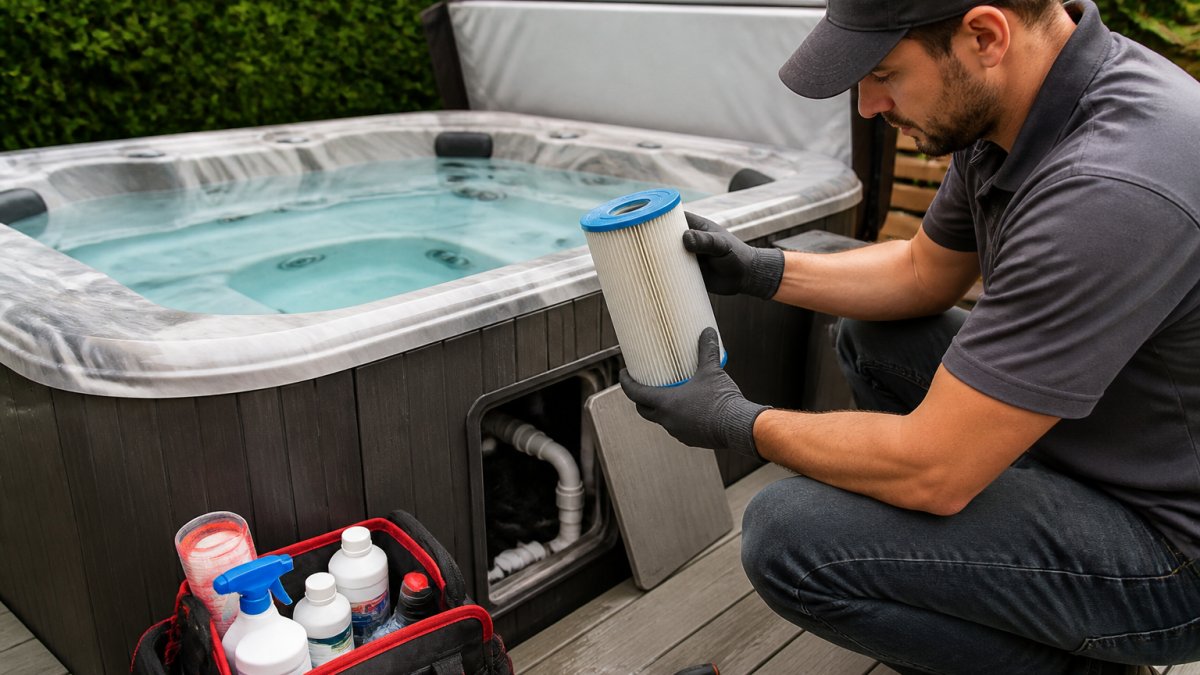
Clean your filter every 2 to 4 weeks during regular use. The frequency depends on how often you use your spa and how many people use it. A filter that works hard needs more frequent attention. Start by turning off the circulation pump and removing the filter cartridge. Rinse it thoroughly with a garden hose, spraying from top to bottom to push debris out of the pleats. Never spray upward, which forces dirt deeper into the material.
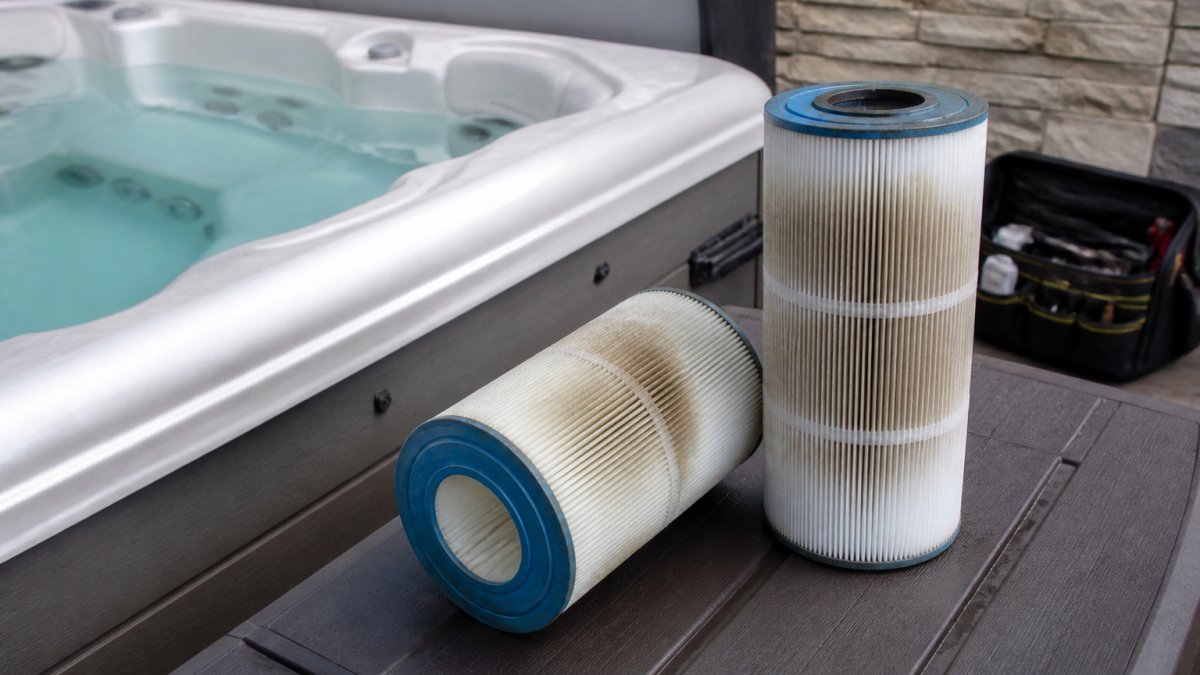
For stubborn buildup, soak the cartridge in a filter cleaning solution for 12 to 24 hours, then rinse again. This deep clean should happen every 3 to 6 months depending on use. Most owners do this during a scheduled maintenance weekend.
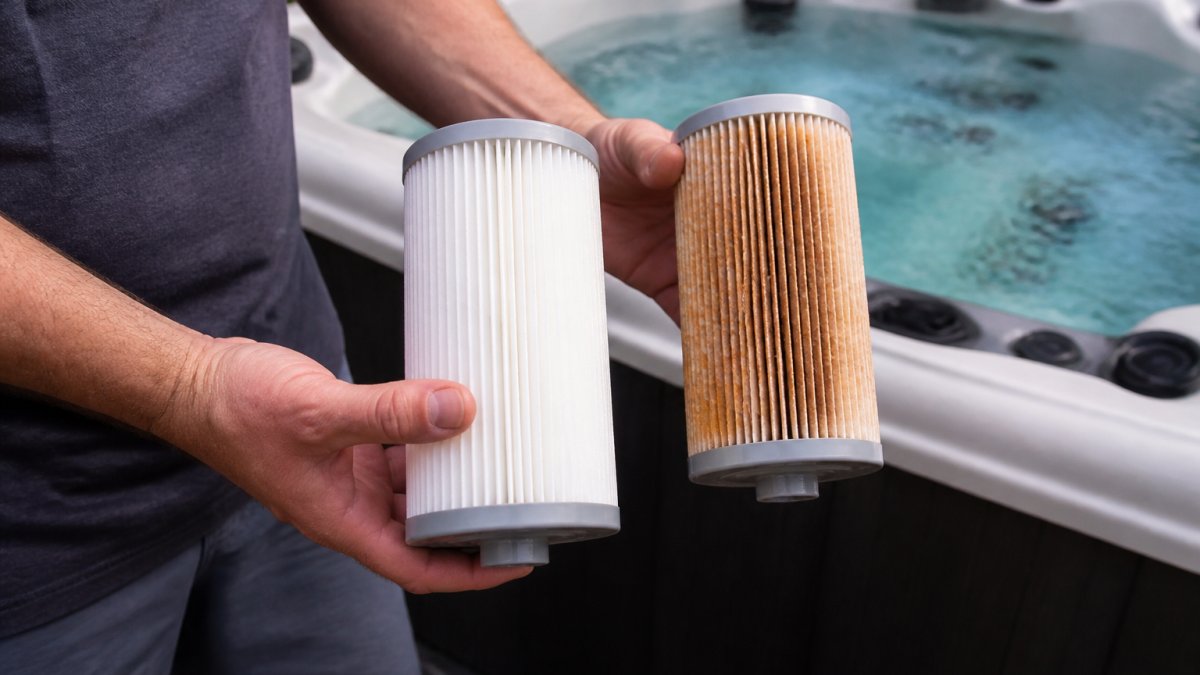
Replace the cartridge entirely every 12 to 18 months. Even with perfect cleaning, cartridges gradually lose effectiveness as the pleated material deteriorates. Keeping replacement cartridges on hand means you can swap them out immediately rather than running your spa with a compromised filter.
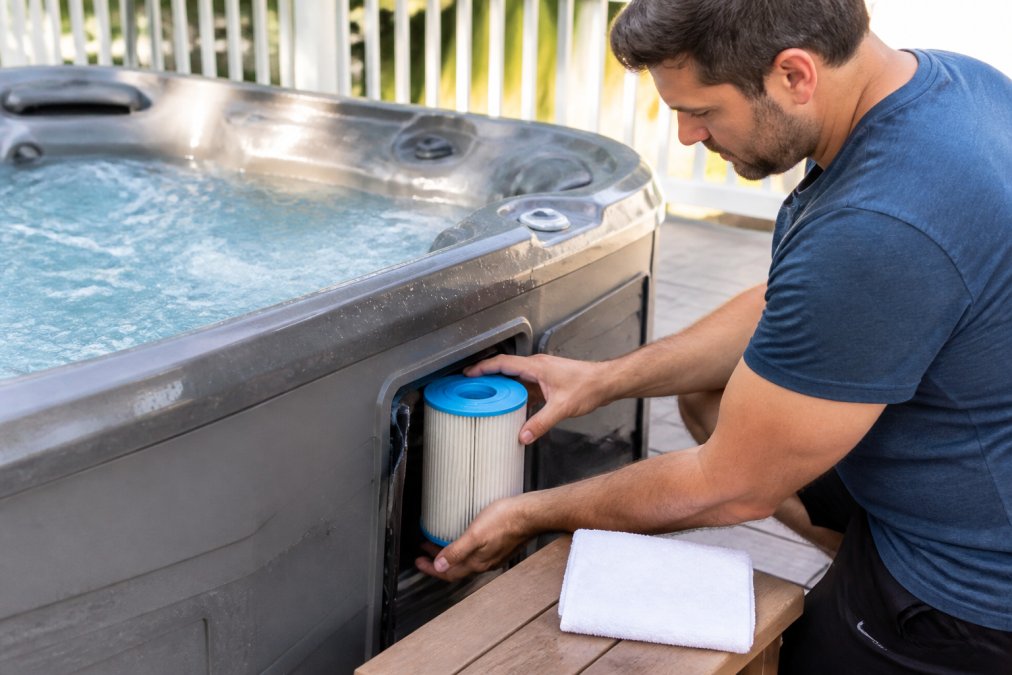
A low maintenance hot tub setup includes easy filter access. If you dread cleaning your filter because it's buried under equipment or difficult to reach, that's a sign the system design isn't optimized for DIY care. When shopping, test how quickly you can access the filter housing.
How Often to Change Hot Tub Water
Complete water drains don't happen as frequently as many people think. Most owners drain and refill every 3 to 4 months with regular use. Some can stretch it to 6 months if they maintain chemistry meticulously and use ozone or UV systems that reduce chemical accumulation.
Several signs tell you it's time to drain: water clarity that won't improve despite filtration and chemical adjustments, TDS that exceeds 1500 ppm, or an unpleasant odor that persists after sanitizer adjustments. These are your signals that dissolved solids have built up beyond recovery.
The drain-and-refill process takes 2 to 4 hours depending on your spa size. Turn off the equipment, open the drain valve, and let gravity do the work. While the tub drains, clean the interior surfaces with a soft brush to remove any biofilm or mineral deposits. Refill with fresh water, then run through your startup chemistry sequence.
A low maintenance approach means planning your drain schedule around your use patterns. If you host frequent gatherings, you might drain more often. If you use your spa sporadically, you can extend intervals. The key is testing TDS regularly so you're not caught off guard when chemistry becomes unmanageable.
Automate Maintenance With Smart Technology
Smart home integration transforms hot tub ownership from a chore-based experience into something genuinely convenient. Modern systems now offer app-based controls that let you monitor and adjust settings from anywhere, even while relaxing poolside.
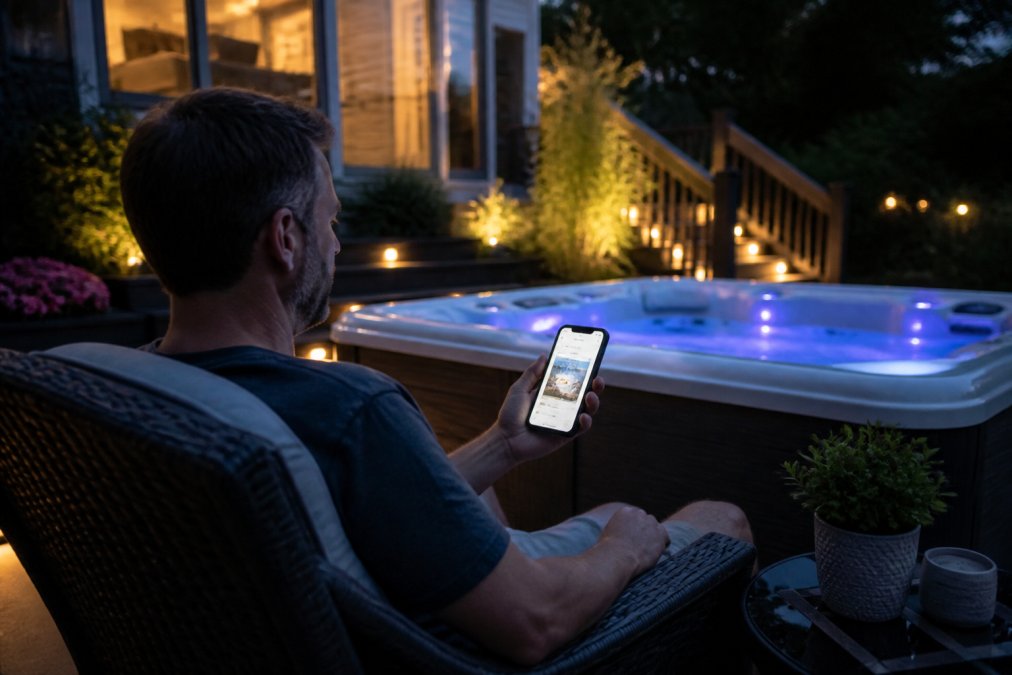
Automated chemical dispensers are perhaps the most impactful upgrade. These systems monitor water chemistry continuously and dispense sanitizer, pH adjusters, and alkalinity boosters on schedule. You no longer need to manually test and add chemicals daily. The dispenser handles routine adjustments, and you simply refill the chemical cartridges every few weeks.
Smart controllers track filter status and alert you when cleaning or replacement is due. Temperature monitoring ensures your spa stays at your preferred setting without manual adjustment. Some systems integrate with voice assistants, letting you ask for status updates or control settings hands-free.
The real value of automation isn't just convenience, it's consistency. Automated systems maintain more stable chemistry than manual adjustments because they respond immediately to drift rather than waiting for your next test day. Stable chemistry means fewer algae problems, better water clarity, and longer intervals between complete drains.
When evaluating smart technology options, look for systems that offer remote monitoring without requiring constant app interaction. The best automated setups work silently in the background, only notifying you when attention is actually needed. If you're checking an app daily to manage your spa, the system isn't truly low maintenance.
allvalley can discuss smart integration options during consultation. Our installation team understands how to set up automation systems that work reliably with your specific equipment.
Budget-Friendly Maintenance Hacks
Reducing maintenance cost doesn't mean accepting poor water quality. Several practical strategies keep expenses down without cutting corners.
Buy chemicals in bulk during off-season sales and store them properly in a cool, dry location. Bulk purchases cost significantly less per unit than small bottles purchased as needed. Just ensure you're buying products your system actually uses, mismatched chemicals waste money and create chemistry problems.
Use a solar pool cover when your hot tub isn't in use. It reduces heat loss, which lowers energy costs and reduces the need for frequent temperature adjustments. The cover also minimizes evaporation, which means less frequent water top-offs and slower TDS accumulation.
Test water chemistry yourself rather than paying for professional testing services. Modern test kits are inexpensive and accurate. A basic digital test kit costs under $50 and lasts for years. Learning to read your own results gives you better control over your spa anyway.
Extend filter life by rinsing more frequently and soaking less often. Most filter problems stem from neglect, not defective cartridges. A 30-second weekly rinse with a hose prevents the heavy buildup that requires aggressive chemical soaking.
Join online hot tub owner communities where people share maintenance tips, product recommendations, and troubleshooting advice. You'll learn which shortcuts actually work and which ones create problems down the road.
Common Maintenance Mistakes to Avoid
Understanding what NOT to do prevents expensive problems and frustrating water chemistry battles.
Don't ignore pH and alkalinity in favor of obsessing over chlorine levels. Many owners focus exclusively on sanitizer because they think "more chlorine equals cleaner water." In reality, unbalanced pH and alkalinity make chlorine ineffective and create the very problems people are trying to prevent.
Don't skip filter cleaning because you assume the system will handle it. Filters don't clean themselves. A clogged filter reduces circulation, which allows algae to develop and makes chemistry harder to maintain. Regular cleaning is the single most important maintenance task.
Don't drain and refill more frequently than necessary. Yes, fresh water feels nice, but excessive draining wastes water and chemicals. It also disrupts the beneficial microbial balance that helps maintain water clarity. Drain only when TDS or chemistry problems make it necessary.
Don't mix different brands of chemicals without understanding compatibility. Some products interact in ways that create cloudiness or precipitation. Stick with one brand's system, or research compatibility before mixing.
Don't neglect equipment maintenance. Circulation pumps, heaters, and jets need attention too. Debris in pump intakes, mineral scale on heater elements, and clogged jets reduce system efficiency and lifespan. Include equipment inspection in your monthly maintenance routine.
Don't assume a "low maintenance" label means "no maintenance." Every hot tub requires regular attention. Systems marketed as low maintenance simply require less frequent intervention than others, not zero effort.
Conclusion
A low maintenance hot tub isn't a fantasy, it's a realistic goal when you start with the right equipment and follow a straightforward maintenance rhythm. The difference between owners who enjoy their spas and those who resent the upkeep comes down to system choice, consistent chemistry management, and smart automation.
At allvalley, we've spent 26 years helping homeowners transform their backyards into genuine retreats rather than maintenance headaches. Our hot tubs come with free starter kits and chemicals included, professional installation to ensure everything works from day one, and access to a team that understands what actually keeps spas running smoothly. When you're ready to stop dreading your spa and start enjoying it, reach out to discuss which system makes sense for your situation.
CALL US @ 760-342-5277
Frequently Asked Questions
What's the easiest way to maintain a low maintenance hot tub?
The easiest approach combines three habits: test water chemistry twice weekly using a simple kit, clean or rinse filters every two weeks, and run the circulation pump continuously. Saltwater systems and ozone generators reduce sanitization work significantly. Investing in a hot tub cover when not in use cuts evaporation and chemical loss, which means less frequent chemical adjustments. Smart systems that monitor pH and chlorine levels automatically can alert you to problems before they become serious.
How often should you shock your hot tub?
Shock treatment typically happens once weekly for regular use, or immediately after heavy use (parties, multiple people soaking). Shock oxidizes contaminants and organic waste that filters and sanitizers miss. Test your water before shocking, if chlorine or bromine levels are already adequate and water is clear, you may skip a week. If water looks cloudy or smells strongly of chemicals, shock immediately. Always follow product instructions for dosage based on your tub's volume.
Can I reduce monthly chemical costs after my starter kit runs out?
Yes. Most starter kits last 2-4 months depending on usage and tub size. After that, monthly costs depend on your system type. Saltwater generators produce chlorine on-site, reducing chemical purchases compared to manual chlorine addition. Ozone and UV purification systems cut sanitizer demand significantly. Test strips cost $10-20 monthly, and shock treatment runs $15-30 per month for typical use. Maintaining proper pH and alkalinity prevents chemical waste and extends product effectiveness, directly lowering costs.
What makes a hot tub actually low maintenance versus just marketed that way?
True low maintenance hot tubs feature saltwater chlorine generators or ozone systems that reduce manual chemical work, quality filtration that handles debris without constant cleaning, and reliable circulation pumps that run efficiently. They come with detailed water testing protocols and starter kits so you know exactly what to monitor. The difference from standard tubs: less frequent shocking, fewer chemical purchases, simpler water balance, and automated systems that do the thinking for you. Professional installation ensures proper setup, which prevents problems that create extra maintenance later.
This article was written using GrandRanker