 ultimate-guide
Reliable Hot Tub Repair Services: What You Need to Know
Table of Contents
- Signs Your Hot Tub Needs Professional Repair
- Common Hot Tub Troubleshooting Tips Before Calling a Technician
- Average Cost of Hot Tub Repair and What Affects Pricing
- How to Find Certified Spa Technicians You Can Trust
- DIY vs. Professional Hot Tub Repair: When to Call an Expert
- Preventative Maintenance to Avoid Costly Repairs
- Conclusion
Last Updated: August 23, 2026
Signs Your Hot Tub Needs Professional Repair
Your hot tub is supposed to be a retreat, not a source of stress. When something goes wrong, the signs are usually obvious, but knowing when you actually need a professional versus when you can troubleshoot yourself makes the difference between a quick fix and wasting time on a problem that's beyond DIY territory.
The most common warning sign is temperature inconsistency. If your hot tub won't heat to the set temperature, stays lukewarm, or cycles on and off erratically, that's your cue to call a technician. A heating malfunction could indicate a failing heater element, a broken thermostat, or circulation issues that require professional spa diagnostics to pinpoint.
Water clarity problems are another red flag. If your water turns cloudy, discolored, or develops an odor despite regular chemical treatment, it's not just an aesthetic issue, it signals that your filtration system or water chemistry balance has broken down in a way that needs expert attention. Cloudy water can harbor bacteria, and that's a health concern.
Leaks are always a professional job. Even small drips from the shell, plumbing connections, or the pump housing can escalate quickly. A leak detection specialist has the tools to locate the source, which isn't always obvious to the naked eye. Addressing leaks early prevents structural damage and water loss that gets expensive fast.
Error codes on your control board mean your hot tub is telling you something specific is wrong. Don't ignore these, they're diagnostic messages designed to help technicians identify the exact component that's failing. Attempting to clear error codes without understanding the underlying issue often makes things worse.
Jet pressure loss is another signal worth taking seriously. If your jets suddenly feel weak or stop working entirely, you might have a pump motor failure, a clogged intake line, or an air leak in the plumbing. These issues require professional hot tub repair services because they involve either component replacement or sealed system diagnostics.
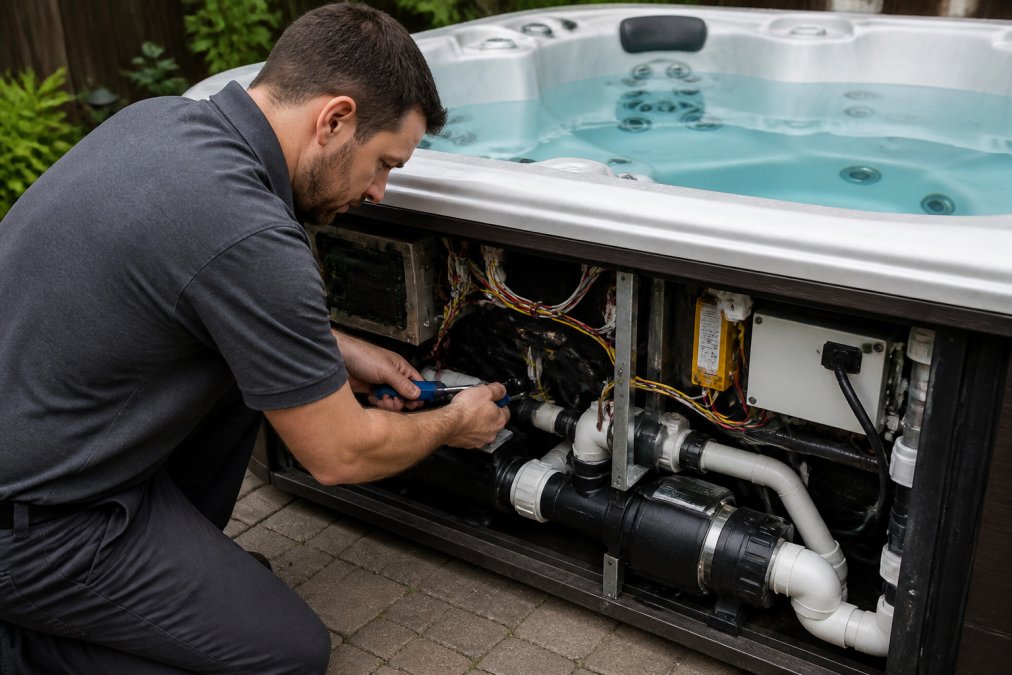
Electrical problems, tripped GFCI breakers, sparking sounds, or equipment that won't power on, demand immediate professional attention. Never attempt electrical repairs yourself. A licensed technician can safely diagnose and fix electrical wiring issues without creating a safety hazard.
Common Hot Tub Troubleshooting Tips Before Calling a Technician
Before you pick up the phone, there are a few things you can check yourself. Most common issues have simple fixes, and knowing how to troubleshoot can save you the cost of a service call.
Water Chemistry Issues
Water chemistry is the foundation of a healthy hot tub. If your water looks off or smells strange, chemistry imbalance is usually the culprit.
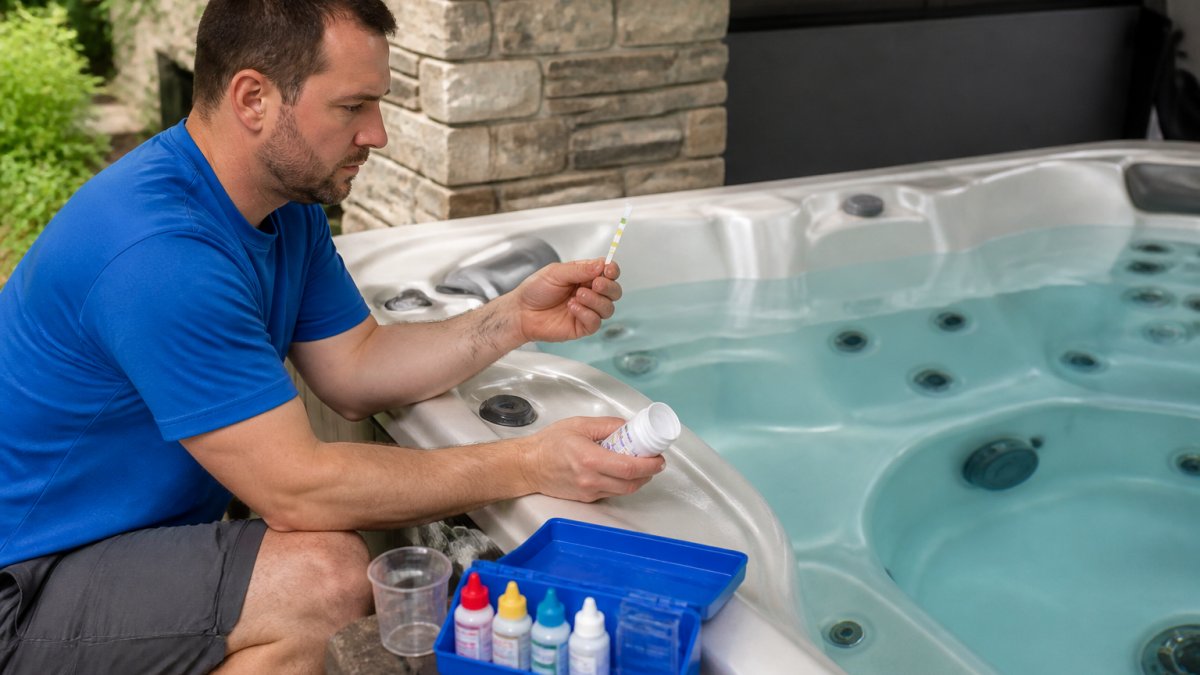
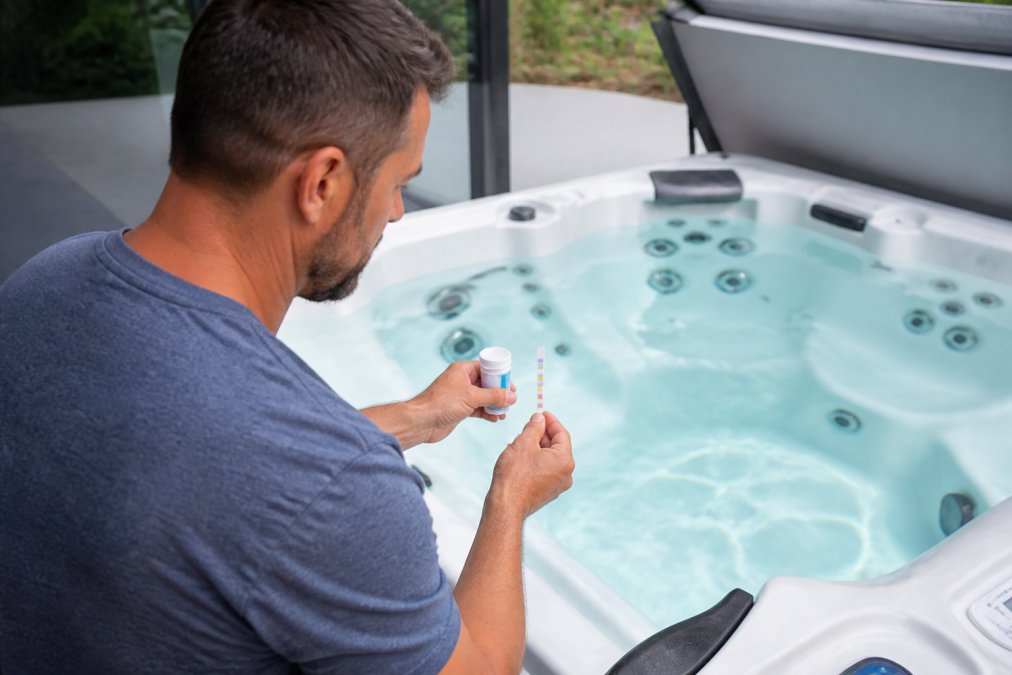
Start by testing your water. Use test strips to check pH, alkalinity, and chlorine or bromine levels. Most hot tubs need pH between 7.2 and 7.8, alkalinity between 80 and 120 ppm, and sanitizer levels specific to your system (the CDC). If any of these are way off, adjust them according to your hot tub's manual. Many issues that feel like equipment failures are actually just chemistry problems.
If your water is cloudy, it often means your sanitizer level is too low or your filter is clogged. Run your filter cycle and retest. If cloudiness persists after 24 hours of filtering, you may need a professional water analysis or filter replacement.
Foam on the surface usually indicates too much organic material or an imbalance in your water. Add a defoamer product designed for hot tubs, then rebalance your chemistry. If foam keeps coming back, your filter might need cleaning or replacement.
Heating and Temperature Problems
If your hot tub won't reach temperature, start with the basics.
Check that your heater is actually running. Look at your control panel, is the heater mode activated? Some systems require you to manually set the heater on. If it's on and the tub still won't heat, check your thermostat setting. Make sure it's set higher than the current water temperature.
A common mistake is expecting instant heat. Heating a full tub takes time, typically several hours depending on the outside temperature and your heater's power. If you've waited 8+ hours and the temperature hasn't budged, you likely have a heater replacement situation or a circulation problem preventing water from reaching the heating element.
If your hot tub heats fine but temperature drops rapidly when you're not using it, that's normal thermal loss, especially in colder months. Good insulation helps, but some heat loss is inevitable. If you're losing temperature while actively using the tub, you might have a circulation issue or a leak.
Jet Pressure and Circulation
Weak jets often mean one of three things: low water level, air in the lines, or a pump issue.
Check your water level first. Most hot tubs have a fill line marked on the shell or a sight glass on the filter housing. If water is below the line, top it off. Low water prevents proper circulation and can damage your pump.
If the water level is fine, look for air bubbles in the jets. Tiny air bubbles are normal, but large ones or sputtering suggest air is getting into the system. This can happen after draining and refilling. Run the jets for 15-20 minutes to purge air from the lines. If sputtering continues, you might have a leak allowing air into the intake side of the pump.
If water level is good and you're not seeing air bubbles but jets are still weak, your pump motor might be failing. This is a professional repair, pump replacement is a job for licensed technicians with proper tools and parts knowledge.
Average Cost of Hot Tub Repair and What Affects Pricing
Understanding what influences repair costs helps you budget and make informed decisions about whether to repair or replace.
Repair costs vary widely based on what's broken. A simple service call to diagnose the problem typically ranges from moderate to several hundred dollars depending on the technician and your location. Some companies charge a flat diagnostic fee; others roll it into the repair cost if you proceed with work.
Component replacement costs depend on what fails. A new filter cartridge might cost between modest and moderate amounts. A pump replacement, heater replacement, or control board repair runs significantly higher because these are major components. Labor costs also vary, technicians in high-cost areas charge more than those in rural regions.
Emergency or same-day service calls typically cost more than standard appointments. If your hot tub breaks down on a weekend or holiday, expect to pay a premium for urgent hot tub repair services.
The best way to get accurate pricing is to contact local technicians for quotes. Most provide free estimates or charge a small diagnostic fee. When you call, describe the symptoms clearly, this helps them give you a ballpark figure before arriving.
Prevention is always cheaper than repair. Regular maintenance catches small issues before they become expensive problems. A small leak caught early costs far less to fix than structural damage from months of water loss.
How to Find Certified Spa Technicians You Can Trust
Finding a reliable technician is critical. You're inviting someone into your home to work on an expensive system, so credentials and reputation matter.
Start by looking for certification. Licensed technicians have completed training specific to hot tub systems and understand electrical safety, plumbing, and component diagnostics. Ask any technician you're considering whether they're certified and by which organization. Legitimate technicians are proud of their credentials and happy to share them.
Check reviews and references. Ask the company for customer testimonials or references from people in your area. A strong word-of-mouth reputation is worth more than flashy marketing. If a company has been in business for decades, as allvalley has over its 26+ years serving homeowners, that longevity speaks to customer satisfaction.
Verify insurance and bonding. A professional spa diagnostics service should carry liability insurance and be bonded. This protects you if something goes wrong during the repair. Never hire an uninsured technician, you're liable if they get injured on your property.
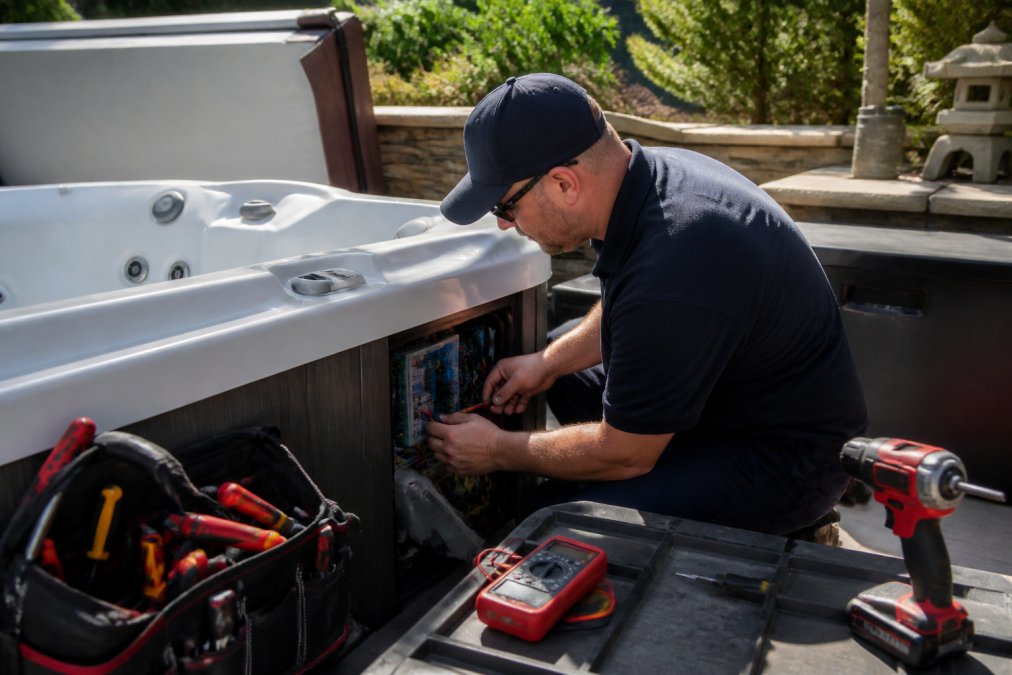
Ask about warranties on parts and labor. A reputable technician stands behind their work. They should offer at least a basic warranty on replaced components and the labor performed. This gives you recourse if something fails shortly after repair.
Get everything in writing. Before work begins, you should have a written estimate that includes the problem diagnosis, parts needed, labor costs, and timeline. This prevents surprises when the bill arrives.
DIY vs. Professional Hot Tub Repair: When to Call an Expert
Knowing your limits saves money and prevents damage.
DIY repairs make sense for routine maintenance and simple troubleshooting. You can handle water chemistry adjustments, filter cleaning, cover maintenance, and basic cleaning. These tasks keep your system running smoothly between professional service calls.
Never attempt electrical repairs yourself. Anything involving wiring, GFCI breakers, or the control board requires a licensed electrician or certified spa technician. Electrical mistakes can cause injury, equipment damage, or fire hazards.
Don't open sealed components or attempt internal repairs. If your pump, heater, or filtration system needs internal work, that's professional territory. These components have specific tools and parts that require expertise.
Plumbing work beyond simple leak identification should go to a professional. If you spot a leak, you can identify its location, but the actual repair, whether it's a fitting replacement or shell repair, needs professional hot tub repair services. Improper plumbing repairs lead to bigger leaks and water damage.
Component replacement like heater replacement or pump motor failure is a professional job. These aren't just parts swaps, they involve electrical connections, plumbing integration, and system testing to ensure everything works together safely.
The rule of thumb: if it involves electricity, sealed systems, or structural components, call a technician. If it's maintenance or surface-level troubleshooting, you can handle it.
Preventative Maintenance to Avoid Costly Repairs
Regular maintenance is your best defense against expensive problems. A small investment in preventative care prevents the need for major hot tub repair services down the road.
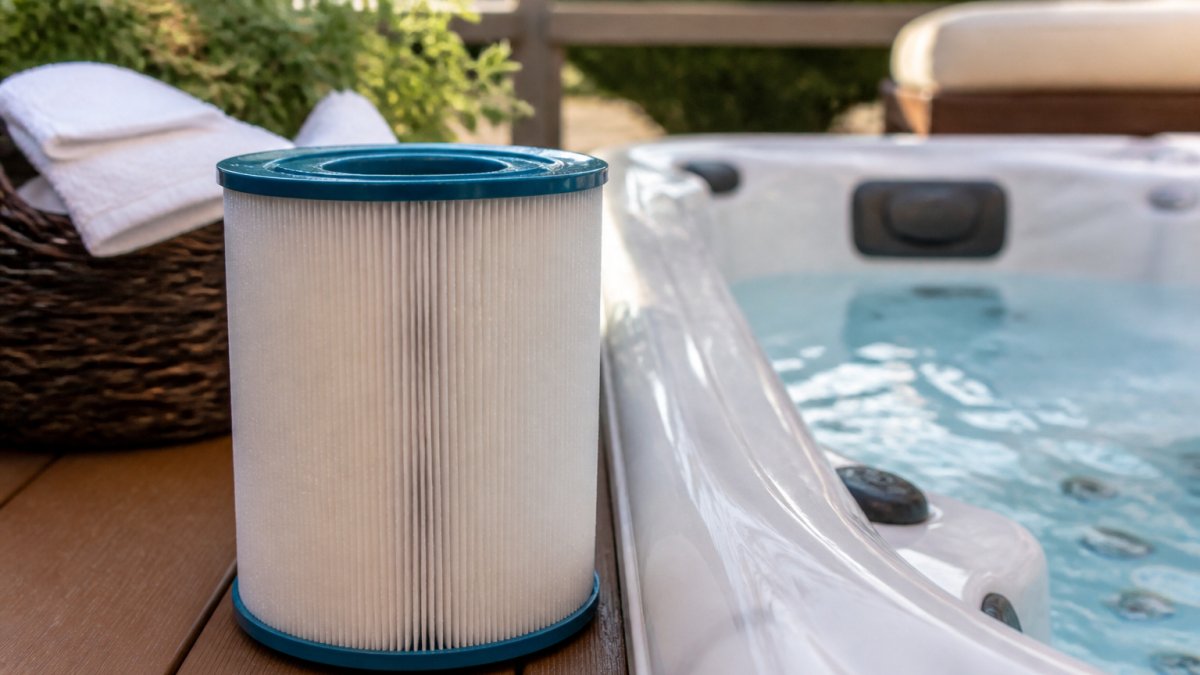
Clean or replace your filter regularly. A clogged filter reduces water circulation and forces your pump to work harder, shortening its lifespan. Most filters need cleaning every 2-4 weeks depending on usage and should be replaced annually (the American Dental Association). This is one maintenance task you can do yourself.
Test and balance your water chemistry weekly. Proper chemistry prevents corrosion, scale buildup, and algae growth, all of which damage equipment and create health issues. Balanced water is easier on your heater, pump, and plumbing.
Run your filtration system daily, even when you're not using the tub. Continuous circulation prevents stagnation and keeps chemistry stable. Most systems are designed to run 4-8 hours daily minimum (nsf.org).
Inspect your shell and plumbing monthly for cracks, leaks, or discoloration. Catching small issues early prevents them from spreading. A small crack sealed quickly costs far less than structural damage from months of water seepage.
Drain and refill your hot tub seasonally or annually depending on usage. This removes accumulated minerals and organic material that can't be filtered out. A complete drain also gives you a chance to inspect the interior for any damage.
Check your cover regularly. A damaged cover allows debris and heat loss. Replace covers that are cracking, torn, or no longer sealing properly.
Have a professional inspection annually. A certified technician can spot developing problems you might miss and perform preventative maintenance that extends equipment life. This one service call per year typically costs far less than emergency repairs.
When you purchase a hot tub with professional installation and included starter kits and chemicals, like those from allvalley, you're starting with a system properly set up for easy maintenance. The free starter kit and chemicals help you establish proper water balance from day one, which prevents many common problems before they start.
Finding reliable hot tub repair services starts with understanding what can go wrong and when professional help is necessary. Regular maintenance prevents most emergencies, but when repairs do happen, choosing a certified technician with proper credentials and insurance protects both your investment and your family's safety. For homeowners seeking quality hot tubs with professional installation and support, allvalley's 26+ years of experience and commitment to reliable products with easy maintenance means fewer repairs and more time enjoying your backyard retreat. Call us at 760-342-5277 for professional hot tub repair services and installation support.
=== FAQ ANSWERS (audit these too, same rules) ===
[1] Q: How much does it cost to repair a hot tub? A: Hot tub repair costs vary widely depending on the issue, component, and your location. Service call fees typically range from $75 to $200. while parts and labor for specific repairs depend on what needs fixing. A new filter cartridge might cost between $15 and $90. A pump replacement can range from $100 to $850+ for the part, with professional installation costing around $350 to $600. A heater replacement typically costs between $200 and $2,000, including parts and labor. Control board repairs can range from $300 to $1,000+. For accurate pricing on your specific repair, contact a local licensed technician for an on-site inspection and quote.
[2] Q: What should I look for when choosing a reliable hot tub repair service? A: Look for licensed, bonded, and insured technicians with professional certification. Organizations like the Pool & Hot Tub Alliance (PHTA) offer certifications such as Certified Hot Tub Technician (CHTT) and Certified Pool & Spa Service Technician (CST). Ask about their experience with your hot tub brand and model. Verify they offer warranty coverage on parts and labor, provide transparent pricing before starting work, and have positive customer references. Check how quickly they can dispatch for emergency repairs and whether they offer preventative maintenance plans.
[3] Q: What are the most common hot tub problems I can troubleshoot myself? A: Water chemistry imbalances are often fixable by testing pH, alkalinity, and chlorine levels, then adjusting as needed. Check that your filter is clean and your jets aren't clogged with debris. If your hot tub won't heat, verify the thermostat is set correctly and the heater switch is on. However, electrical issues, GFCI breaker tripping, leaks, and control board errors require professional diagnosis and repair to avoid safety risks.
[4] Q: How often should I have my hot tub professionally serviced? A: Most manufacturers recommend professional servicing at least once or twice per year, depending on usage frequency and water quality. A typical professional service call can range from $100 to $300. If you use your hot tub heavily or notice recurring issues, monthly maintenance visits help catch problems early and extend equipment life. Regular professional service includes filter cleaning, water chemistry balancing, component inspection, and leak detection, preventing costly emergency repairs.
Frequently Asked Questions
Q: How much does it cost to repair a hot tub?
A: Hot tub repair costs vary widely depending on the issue, component, and your location. Service call fees typically range from $75 to $200. while parts and labor for specific repairs depend on what needs fixing. A new filter cartridge might cost between $15 and $90. A pump replacement can range from $100 to $850+ for the part, with professional installation costing around $350 to $600. A heater replacement typically costs between $200 and $2,000, including parts and labor. Control board repairs can range from $300 to $1,000+. For accurate pricing on your specific repair, contact a local licensed technician for an on-site inspection and quote.
Q: What should I look for when choosing a reliable hot tub repair service?
A: Look for licensed, bonded, and insured technicians with professional certification. Organizations like the Pool & Hot Tub Alliance (PHTA) offer certifications such as Certified Hot Tub Technician (CHTT) and Certified Pool & Spa Service Technician (CST). Ask about their experience with your hot tub brand and model. Verify they offer warranty coverage on parts and labor, provide transparent pricing before starting work, and have positive customer references. Check how quickly they can dispatch for emergency repairs and whether they offer preventative maintenance plans.
Q: What are the most common hot tub problems I can troubleshoot myself?
A: Water chemistry imbalances are often fixable by testing pH, alkalinity, and chlorine levels, then adjusting as needed. Check that your filter is clean and your jets aren't clogged with debris. If your hot tub won't heat, verify the thermostat is set correctly and the heater switch is on. However, electrical issues, GFCI breaker tripping, leaks, and control board errors require professional diagnosis and repair to avoid safety risks.
Q: How often should I have my hot tub professionally serviced?
A: Most manufacturers recommend professional servicing at least once or twice per year, depending on usage frequency and water quality. A typical professional service call can range from $100 to $300. If you use your hot tub heavily or notice recurring issues, monthly maintenance visits help catch problems early and extend equipment life. Regular professional service includes filter cleaning, water chemistry balancing, component inspection, and leak detection, preventing costly emergency repairs.
This article was written using GrandRanker