 listicle
Best Low Maintenance Hot Tubs: 2026 Guide
Table of Contents
- What Makes a Hot Tub Low Maintenance
- Quick Comparison: Top Low Maintenance Models
- Saltwater Hot Tub Maintenance: How It Reduces Upkeep
- Hot Tub Chemical Management Systems That Work
- Understanding Hot Tub Ownership Costs
- Plug-and-Play vs. Hardwired: Which Requires Less Work
- How to Choose the Right Low Maintenance Hot Tub
- Conclusion
- Frequently Asked Questions
Last Updated: August 12, 2026
What Makes a Hot Tub Low Maintenance
A low maintenance hot tub combines advanced water purification technology, automated chemical systems, and durable construction to dramatically reduce upkeep time and effort. Most hot tub owners spend 5-10 hours per month on basic care; low maintenance systems cut that dramatically by handling filtration, sanitization, and chemical monitoring automatically. The best models use saltwater systems, UV-C purification, or ozone generators to reduce reliance on traditional chlorine and bromine.
At allvalley, we've spent 26 years helping homeowners understand what separates low maintenance designs from marketing hype. You're not paying extra for fewer features, you're paying for smarter engineering. Thicker insulation keeps water temperature stable, reducing heating cycles. Better filtration systems mean less frequent cartridge changes. Plug-and-play models eliminate complex plumbing that creates leak points.
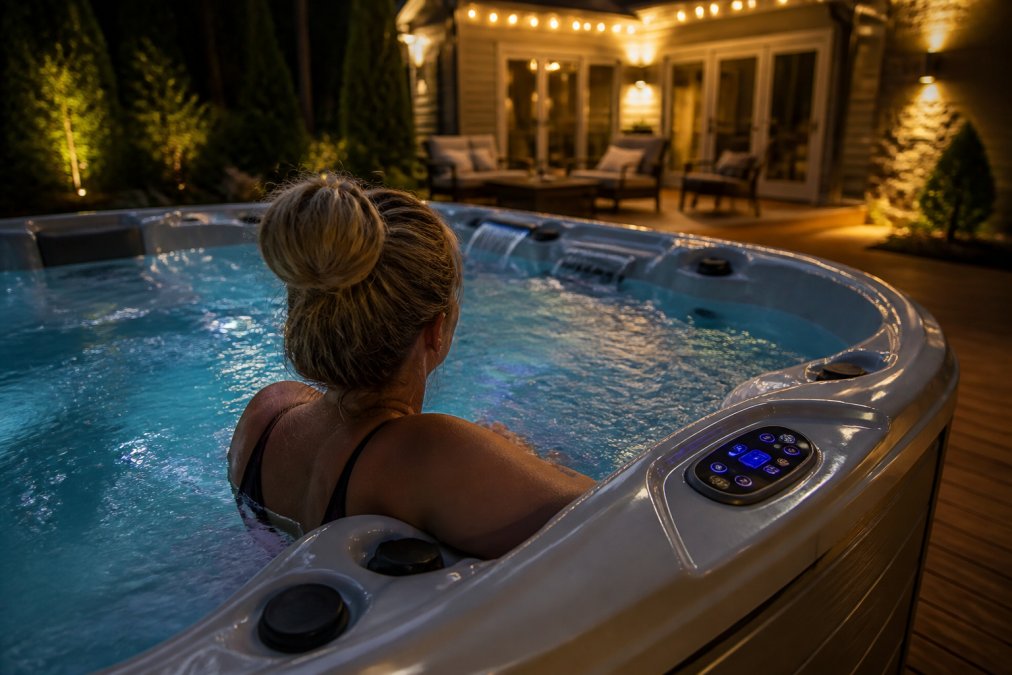
The foundation of any low maintenance hot tub is its circulation pump and filtration system. A high-efficiency pump runs longer at lower speeds, using less energy while keeping water moving through the filter constantly. This prevents stagnant zones where bacteria and algae develop. Larger water capacity also matters, a 500-gallon tub requires less frequent attention than a 300-gallon model because chemical changes happen more slowly in larger volumes.
Shell material and cabinet construction impact maintenance too. Acrylic finishes resist UV damage and don't require seasonal sealing. Thermal covers with proper insulation reduce evaporation, meaning less frequent water top-offs and more stable chemical concentration. Full-foam insulation keeps heating costs down while maintaining consistent water temperature, reducing thermal stress that causes equipment failures.
Quick Comparison: Top Low Maintenance Models
| Model | Best For | Key Advantage | Water Capacity |
|---|---|---|---|
| allvalley Hot Tubs | Families seeking reliability with professional installation | Free starter kit + chemicals, 26-year track record | Varies by model |
| Jacuzzi J-LX Series | Energy-conscious luxury seekers | True Water® nanobubble purification, SmartTub® app control | 200-400 gallons |
| Caldera Spas Utopia | High-end hydrotherapy users | FreshWater IQ automated water testing | 250-350 gallons |
| Hot Spring Limelight | Saltwater system preference | FreshWater® Salt System compatible | 300-500 gallons |
| Sundance Spas 780 Series | Compact spaces needing smart features | CLEARRAY Active Oxygen® + UV-C system | 200-300 gallons |
| Bullfrog Spas STIL | Modern design + customizable massage | JetPak Therapy System, wood-free frame | 250-400 gallons |
| Freeflow Spas | Budget-conscious first-time buyers | Plug-N-Play 120V operation | 150-200 gallons |
| Fantasy Spas | Portability + affordability | Lightweight roto-molded shell | 100-200 gallons |
Your choice depends on whether you prioritize ease of installation, water capacity, automation level, or upfront cost. Plug-and-play models win on convenience but sacrifice capacity and jet power. Hardwired systems offer more features but require professional installation. Saltwater systems reduce chemical handling but need periodic cartridge replacement.
Saltwater Hot Tub Maintenance: How It Reduces Upkeep
Saltwater hot tub maintenance operates on a fundamentally different principle than traditional chlorine systems. A saltwater system generates chlorine on-site through electrolysis, you add salt once, and the system converts it into sanitizer automatically. This eliminates the weekly chemical dosing routine most owners find tedious.
The appeal is clear: fewer chemical purchases, no chlorine smell, softer water feel, and reduced skin irritation for many users. Water hardness stays more stable because the system works continuously rather than in reactive bursts.
However, saltwater systems aren't maintenance-free. The salt cell requires periodic cleaning and eventual replacement, typically every 3-7 years depending on water usage and quality. You still need to test water chemistry regularly, pH, alkalinity, and calcium hardness don't disappear just because chlorine generation is automated.
The real maintenance reduction comes from frequency and intensity. Instead of adjusting chemicals twice weekly, you might test water once weekly and clean the salt cell twice yearly. Many families find that saltwater systems represent the sweet spot between automation and affordability.
Hot Tub Chemical Management Systems That Work
Modern hot tubs use three primary approaches to automated chemical management: saltwater systems, UV-C purification, and ozone generators. Each reduces manual chemical handling.
Saltwater systems generate chlorine from salt. UV-C purification uses ultraviolet light to kill bacteria and algae without creating chemical byproducts. Water passes through a chamber where UV-C rays destroy microorganisms at the DNA level, working alongside a smaller amount of chlorine or bromine and reducing your overall chemical load by 50-70%.
Ozone generators inject ozone gas into the water, which oxidizes contaminants and breaks them down. Many premium systems combine UV-C and ozone for maximum effectiveness with minimal chemical input. These dual-system hot tubs often require the least hands-on maintenance.
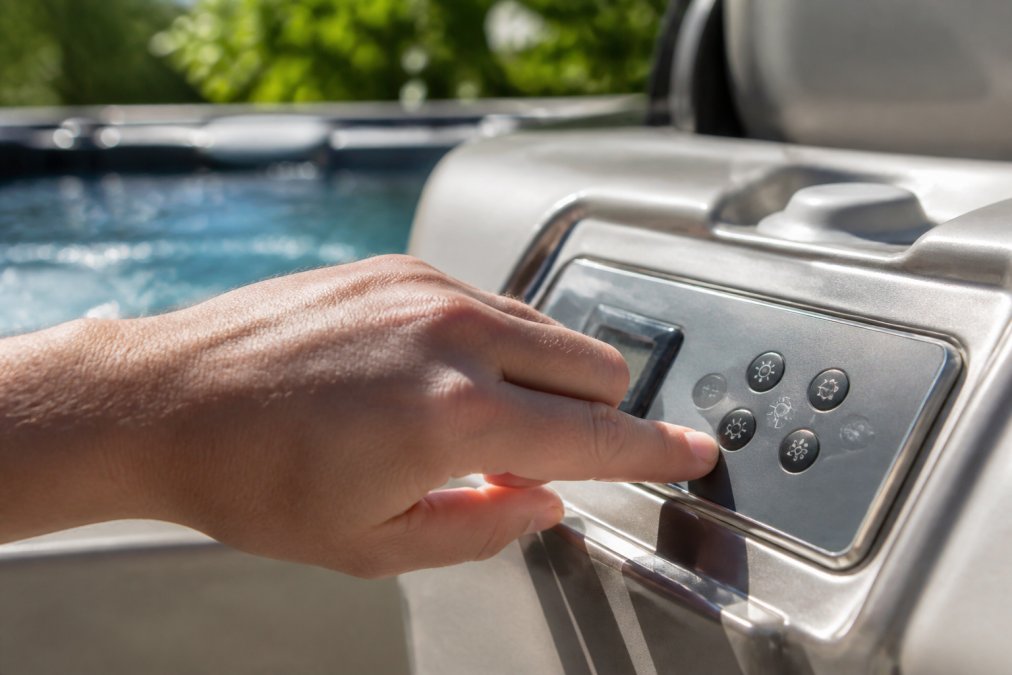
The trade-off is cost. A basic chlorine-based hot tub costs less upfront. A UV-C or ozone system adds several hundred to over a thousand dollars. However, operational savings compound over time, you buy fewer chemicals annually and experience fewer algae blooms or cloudy water episodes.
Automated dosing systems take this further. Some premium models include sensors that continuously monitor water chemistry and automatically inject sanitizer or pH adjusters as needed. You set target parameters once, and the system maintains them without intervention.
Understanding Hot Tub Ownership Costs
The sticker price is only part of what you'll spend. Operating costs, maintenance supplies, and eventual repairs add up significantly over equipment lifespan.
Energy costs are the biggest ongoing expense. A typical hot tub running year-round uses 2,000-5,000 kilowatt-hours annually, depending on climate, usage, insulation quality, and heating temperature. In moderate climates, that's $200-600 per year in electricity. Low maintenance models with superior insulation and efficient circulation pumps keep this down.
Chemical costs vary by system type. Traditional chlorine systems cost $30-80 monthly. Saltwater systems cost $20-40 monthly. UV-C or ozone systems cost $15-30 monthly. Over five years, that's a difference of $1,800-4,800.
Filter cartridge replacement is predictable maintenance. Most hot tubs need new cartridges every 12-24 months, costing $100-300 per replacement. Advanced filtration designs extend cartridge life, reducing this expense.
Professional service calls aren't mandatory but often necessary. Most owners experience at least one issue requiring a technician visit during the first five years, typically costing $300-800 to repair. Having a reliable dealer with professional installation and service reduces your risk of catastrophic failures.
Over ten years of ownership, expect total costs ranging from $5,000 to $15,000 depending on the model, your climate, and usage frequency. A low maintenance system with efficient insulation and automated chemical management sits at the lower end.
Plug-and-Play vs. Hardwired: Which Requires Less Work
The installation method you choose affects both initial setup and long-term maintenance complexity.
Plug-and-play models connect to a standard 120V household outlet. No electrician needed. No permits. You unbox it, fill it with water, add chemicals, and use it within hours. The maintenance is straightforward, basic filtration, standard chemical testing, and simple controls.
The catch is performance. A 120V system heats water slowly, typically raising temperature 5-10 degrees Fahrenheit per hour. Jet power is modest because 120V circuits limit amperage. Water capacity is smaller, typically 150-250 gallons, meaning more frequent chemical adjustments. These systems work well for occasional use or mild climates but frustrate owners in cold regions wanting daily soaking.
Hardwired models require 240V electrical service and professional installation. Setup takes 1-3 days. But once installed, you get faster heating, more powerful jets, larger capacity, and more advanced controls. For most homeowners, hardwired systems require less ongoing work because their advanced features do more of the work for you. Larger water volume means more stable chemistry. Better insulation means less frequent heating. Automated systems mean fewer manual adjustments.
How to Choose the Right Low Maintenance Hot Tub
Start by defining your actual usage pattern. Will you use this daily or occasionally? Year-round or seasonally? Your answers determine what capacity, jet configuration, and automation level you actually need.
Climate matters enormously. Cold climates demand superior insulation and fast heating, pointing toward hardwired systems with efficient circulation pumps. Mild climates can work with plug-and-play models. If outdoor temperatures drop below freezing regularly, a poorly insulated system becomes expensive to operate.
Assess your tolerance for chemical handling. If you hate weekly testing and dosing, invest in a saltwater system or advanced automated system. If you're comfortable with basic maintenance and prefer lower upfront cost, a traditional chlorine system works fine.
Budget considerations include both upfront and long-term costs. A plug-and-play model costs $1,500-3,500. A mid-range hardwired system runs $4,000-8,000. Premium models exceed $10,000. Remember that operating costs over five years often exceed the purchase price.
Professional installation and service availability matter more than most buyers realize. Buying from a local dealer like allvalley with 26 years of experience and professional installation services gives you recourse if something goes wrong. For a product this expensive, local support is worth paying for.
Finally, prioritize reliability over feature count. The best low maintenance hot tub is the one you'll actually use regularly without frustration.
Conclusion
Low maintenance hot tubs reduce ownership hassles through smarter engineering, not fewer features. Saltwater systems, UV-C purification, and automated chemical management handle the work that traditionally fell on you. Choosing between plug-and-play and hardwired depends on your climate and usage patterns, both can be low maintenance if properly specified.
When you're ready to invest in a hot tub that works reliably with minimal upkeep, allvalley brings 26 years of experience in delivering quality systems with professional installation and free starter kits included. Our team handles everything from delivery to setup, ensuring your hot tub operates at peak efficiency from day one. Call us at 760-342-5277 for a consultation on which low maintenance model fits your backyard and budget.
Frequently Asked Questions
What hot tub requires the least maintenance?
Low maintenance hot tubs combine saltwater or ozone sanitization systems with automated water testing and filtration. Models featuring plug-and-play installation and self-regulating sanitizers like FROG @ease require the least hands-on work. Brands like Jacuzzi J-LX and Caldera Utopia use advanced purification that cuts chemical handling significantly. The best choice depends on your comfort with technology and budget, plug-and-play models are easiest to set up, while hardwired systems offer more powerful jets and features.
Do saltwater hot tubs require less maintenance than chlorine?
Yes, saltwater hot tub maintenance typically involves less chemical handling than traditional chlorine systems. Saltwater systems generate chlorine on-demand from salt, reducing the need for manual dosing. You'll still test pH and alkalinity balance, but far less frequently. However, saltwater cartridges need periodic replacement, and the system requires proper water chemistry monitoring. Total dissolved solids can accumulate over time, requiring occasional drain and refill cycles. For many homeowners, the reduction in daily chemical management makes saltwater worth the trade-off.
How much does it cost to operate a low maintenance hot tub annually?
Operating costs vary based on model, climate, and usage. Energy efficiency features like full-foam insulation and thermal covers reduce heating costs significantly. Models with efficient circulation pumps and automated filtration cycles typically run $200-$600 per year in electricity, depending on local rates and heating frequency. Chemical costs drop dramatically with saltwater or ozone systems, often $50-$150 annually versus $300-$500 for traditional chlorine. Filter cartridge maintenance and occasional salt cartridge replacement add another $100-$200 yearly. Total hot tub ownership costs depend on your specific model and regional energy prices.
What's the difference between plug-and-play and hardwired hot tubs?
Plug-and-play hot tubs connect to a standard 120V outlet and require no professional installation, making them ideal for renters or those wanting quick setup. They're portable and affordable but heat more slowly and offer fewer jet options. Hardwired models require 240V electrical service and professional installation but deliver faster heating, more powerful jets, and advanced features like smart controls and UV-C purification. For low maintenance, hardwired models often include better filtration cycles and automated water care systems, though both types can minimize upkeep with the right technology.
How often do I need to drain and refill a low maintenance hot tub?
With advanced filtration and sanitization systems, most low maintenance hot tubs need draining every 3-4 months with regular use, or up to 6 months with exceptional water chemistry management. Saltwater systems may require more frequent draining due to total dissolved solids accumulation. Plug-and-play models with simpler filtration might need draining every 1-2 months. Proper alkalinity balance, pH monitoring, and filter cartridge maintenance extend the time between drains significantly. Your specific model's manual and water quality will dictate the actual schedule.
This article was written using GrandRanker