 ultimate-guide
Why Professional Hot Tub Installation Matters
Table of Contents
- Safety and Building Code Compliance
- Hot Tub Electrical Requirements and GFCI Protection
- Hot Tub Foundation Requirements and Site Preparation
- Hot Tub Installation Cost and Long-Term Value
- Insurance and Liability Protection
- Warranty Protection and Equipment Longevity
- Why Professional Hot Tub Installation Protects Your Investment
- Frequently Asked Questions
Last Updated: August 14, 2026
Safety and Building Code Compliance
Professional hot tub installation ensures your system meets all local building codes and safety standards. Building codes dictate everything from electrical grounding to structural support to setback distances from property lines. A licensed installer knows these requirements and builds compliance into every step, whereas DIY installations frequently miss critical safety requirements that inspectors catch immediately.
Understanding the Permitting Process
The permitting process typically involves three main categories:
-
Building Permit, Required in most jurisdictions for any permanent outdoor structure. The inspector verifies that the concrete pad is properly graded, compacted, and level; confirms setback distances from property lines (typically 5-10 feet); and checks that the installation doesn't violate zoning restrictions. A building permit usually takes 1-3 weeks and costs $150-$500.
-
Electrical Permit, Required for any hot tub with 240-volt service or hardwired 110-volt installation. The electrical inspector verifies that the circuit is properly sized, the GFCI breaker is installed correctly, grounding is adequate, and the disconnect switch is positioned correctly. An electrical permit usually takes 1-2 weeks and costs $75-$300.
-
Plumbing Permit, Required in some jurisdictions if the hot tub connects to municipal water or drain systems. If your hot tub is standalone and manually filled, a plumbing permit may not be required. A plumbing permit usually takes 1-2 weeks and costs $100-$250.
After permits are obtained, installation proceeds in stages with inspections at each phase: after foundation preparation, after electrical work, and after final completion. The entire permitting and inspection process typically takes 4-8 weeks from application to final sign-off. A professional installer manages this timeline and coordinates with inspectors.
Why Compliance Matters Beyond Inspection
Non-compliance can void homeowner insurance coverage, create liability issues if someone is injured, and trigger expensive remediation work. A professional installer licensed in your area knows exactly what your local authority requires and handles permit applications and inspections.
Non-compliance also creates problems during home sales. A buyer's inspector will identify code violations, and the buyer's lender may refuse to finance the purchase until violations are corrected. You'll be forced to hire a contractor for expensive remediation or reduce your asking price.
Hot Tub Electrical Requirements and GFCI Protection
Electricity and water require proper protection. Hot tub electrical requirements are among the most critical safety considerations and most commonly mishandled in DIY setups.
Most hot tubs require either 110-volt or 240-volt service. A 240-volt system demands a dedicated circuit, proper gauge wiring, and a GFCI breaker installed at the electrical panel. The GFCI (ground-fault circuit interrupter) breaker detects current imbalances and shuts off power instantly if a fault is detected, preventing electrocution.
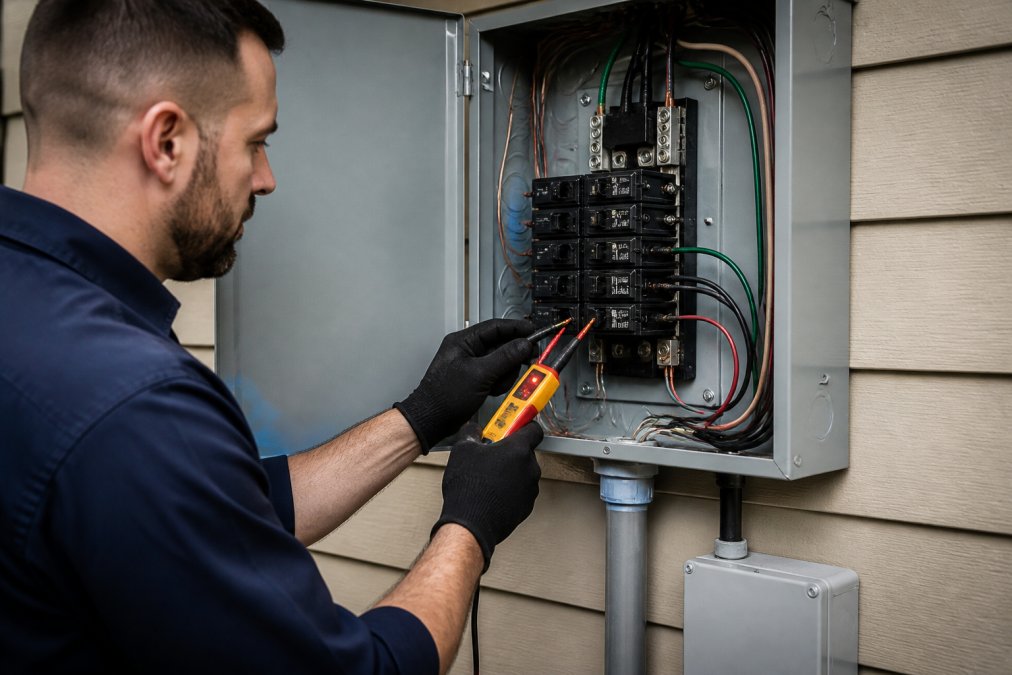
Wire gauge matters tremendously. Undersized wire creates heat, increases resistance, and can damage equipment or create fire hazards. The distance from your electrical panel to the hot tub determines the required wire gauge. A professional electrician calculates this precisely and ensures proper grounding.
Hardwiring a hot tub (running dedicated circuit wiring directly from your panel to the disconnect switch) is the correct approach for permanent installations. It's more expensive than using a standard outlet, but it's safer and meets code requirements.
Hot Tub Foundation Requirements and Site Preparation
A hot tub weighs thousands of pounds when filled and needs a stable, level foundation that can support that weight indefinitely. Poor site preparation is one of the most expensive mistakes homeowners make, often requiring the hot tub to be drained and relocated.
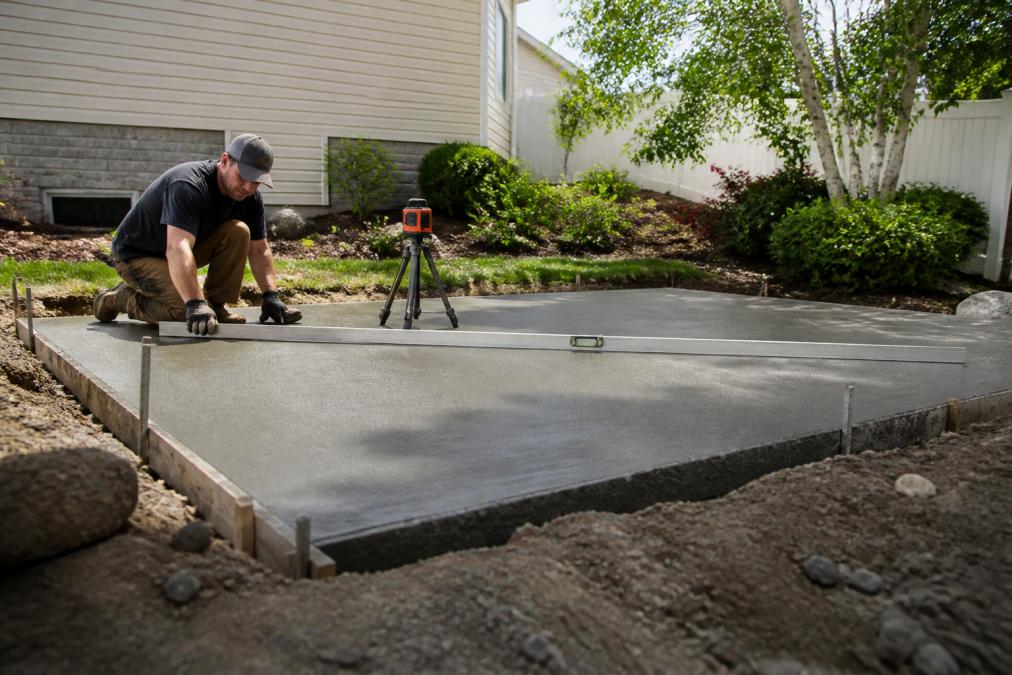
The foundation typically consists of a concrete pad, 4-6 inches thick, poured on compacted soil. The pad must be level within a quarter-inch over the entire footprint. If the hot tub isn't level, water won't distribute evenly, stress concentrates on certain walls, and equipment operates inefficiently. Over time, an unlevel hot tub can develop leaks and structural damage.
Site preparation begins before concrete is poured. The installer evaluates soil composition, drainage patterns, and load-bearing capacity. Some sites require additional grading, fill material, or drainage solutions. The concrete pad also needs proper drainage around it to prevent deterioration and safety hazards.
Access matters too. The hot tub needs to fit through your gate and into the final location. A professional site visit confirms delivery is feasible and identifies potential obstacles, low-hanging branches, power lines, and underground utilities.
Hot Tub Installation Cost and Long-Term Value
The upfront cost of professional installation includes labor, permits, site preparation, electrical work, and plumbing connections. But the true cost calculation extends far beyond installation day, it includes energy efficiency, resale value, and the financial consequences of DIY failure.
Energy Efficiency and Monthly Operating Costs
How a hot tub is installed directly impacts energy consumption. Professional installers optimize foundation leveling, insulation integrity, and equipment positioning.
An unlevel hot tub forces the heating system to work harder. Even a half-inch slope across an 8-foot tub creates uneven water distribution, causing the heater to cycle more frequently. A properly leveled concrete pad allows the heating system to operate at peak efficiency.
A typical 240-volt hot tub costs $20-$40 per month to operate in moderate climates. An improperly installed tub with compromised insulation or poor leveling can cost $30-$50+ monthly due to inefficient heating cycles. Over a 10-year ownership period, that's a difference of $1,200-$3,600 in energy costs alone. Professional installation pays for itself through energy savings.
Resale Value and Real Estate Impact
A professionally installed hot tub with documented permits and final inspection sign-offs adds measurable value to a home during resale. Real estate appraisers recognize professionally installed outdoor amenities as permanent improvements.
When a hot tub is installed to code with permit documentation, it becomes part of the home's appraised value. A buyer's lender will finance the purchase price including the hot tub's value. A DIY installation with no permits creates a liability for the buyer, they inherit code violations, potential insurance issues, and warranty voids.
Code-compliant outdoor improvements typically recover 50-70% of their installation cost in resale value, depending on local market conditions. A $5,000 professional installation might add $2,500-$3,500 to your home's appraised value. A $2,000 DIY installation that violates code adds nothing and creates a liability that reduces buyer confidence.
Keep your permit paperwork, final inspection sign-off, and warranty documentation in a file for future buyers. This proof of compliance transforms a hot tub from a potential liability into a legitimate home improvement.
The True Cost of DIY Installation Failure
A botched DIY installation can result in equipment damage, failed inspections requiring expensive remediation, voided warranties, insurance complications, and potential injury liability. The cost of fixing these problems often exceeds what professional installation would have cost initially.
Consider a realistic failure scenario: You install the hot tub yourself and save $3,000 on labor, but the foundation settles unevenly over 18 months. The shell cracks. The manufacturer's warranty is void because you didn't use a licensed installer. Repair or replacement costs $4,000-$8,000. You're now $1,000-$5,000 in the hole compared to professional installation.
Or: Your electrical work passes initial use but develops a fault two years later. A GFCI breaker fails to trip properly because the circuit wasn't sized correctly. Someone is injured. Your homeowner's insurance denies the claim because the installation didn't meet code. You're personally liable for medical costs and potential legal judgment, potentially $50,000+.
Professional installation protects your equipment investment. Hot tubs are durable when properly installed, but fragile when installed incorrectly. Improper electrical connections damage control boards. Uneven foundations crack shells. Poor plumbing connections cause leaks.
Insurance and Liability Protection
A hot tub is a significant liability exposure. If someone is injured in or around your hot tub, your homeowner's insurance may deny the claim if the installation doesn't meet code requirements or if you failed to maintain it properly.
Insurance companies require that hot tubs be installed according to code with documented proof of professional installation, permits, and inspections. A DIY installation leaves you without proof of compliance, which gives the insurance company grounds to deny coverage when you need it most.
Liability extends beyond injury claims. If a non-compliant hot tub causes property damage, faulty wiring causes a fire, or a plumbing leak damages your foundation, your insurance may refuse to cover it. The financial exposure is substantial.
Professional installation also protects you if someone is injured and decides to sue. An attorney will ask whether the hot tub was professionally installed and whether it met code. A professional installer carries liability insurance and has done the work correctly, which strengthens your defense. A DIY installation with code violations makes you personally liable for the full amount of any judgment.
Warranty Protection and Equipment Longevity
Most hot tub manufacturers require professional installation to honor the warranty. A DIY installation voids the warranty immediately, even if you did the work perfectly.
Manufacturers require professional installation because improper installation causes most equipment failures. By requiring professional installation, they protect themselves from warranty claims caused by DIY mistakes.
A voided warranty is catastrophic if equipment fails. You're responsible for 100% of repair costs, which can be thousands of dollars. A professional installation keeps the warranty active, meaning the manufacturer covers defects and failures for the warranty period.
Equipment longevity depends heavily on proper installation. A correctly installed hot tub operates efficiently, uses less energy, requires less chemical balancing, and experiences fewer component failures. Professional installers understand these long-term dynamics and install equipment the way manufacturers intended, maximizing reliability and lifespan.
Why Professional Hot Tub Installation Protects Your Investment
A hot tub is one of the larger purchases most homeowners make for their outdoor space. Professional installation is the primary way you protect that investment.
A professional installer brings deep knowledge of local codes, experience with dozens of installations, proper tools and equipment, liability insurance, and accountability if something goes wrong. They've seen every mistake and every potential problem and know how to avoid them.
A DIY installation might work fine initially, but small mistakes compound over time. An unlevel foundation causes gradual stress on the structure. Undersized electrical wiring creates heat that degrades insulation. A plumbing connection that's not quite right develops a slow leak. These problems emerge months or years later, when you're out of warranty and facing expensive repairs.
Professional installation means you're not gambling with your investment. You're using proven methods, meeting code requirements, maintaining warranty coverage, and protecting your liability exposure. It's the difference between a hot tub that works reliably for over a decade and one that becomes a source of frustration and expense.
allvalley's 26+ years in business reflects a commitment to doing this work right. The company handles everything from site preparation through final inspection, ensuring your hot tub is installed correctly and ready to enjoy immediately.
The decision to invest in professional hot tub installation is fundamentally about protecting what you've already invested. A properly installed hot tub becomes a reliable, enjoyable part of your outdoor living space for years to come. The alternative, a DIY installation with code violations, voided warranties, and unresolved liability exposure, isn't actually cheaper. It just shifts the costs to later, when they're more expensive and harder to fix. For homeowners in the Coachella Valley and Riverside County looking to create a lasting outdoor retreat, professional installation from allvalley ensures your hot tub is installed safely, legally, and built to last. Call us at 760-342-5277 to discuss your installation needs and get started.
Frequently Asked Questions
Does a hot tub require a dedicated electrical circuit?
Yes. Most hot tubs require a dedicated 240-volt circuit with proper GFCI protection and grounding to meet electrical codes and safety standards. Professional installers verify voltage requirements and ensure your electrical panel can support the load. DIY attempts to bypass these requirements void manufacturer warranties and create serious shock and fire hazards. A licensed electrician confirms compliance with local building codes and prevents costly mistakes.
What are the common risks of improper hot tub installation?
Improper installation causes electrical fires, water damage, structural failure, and voided warranties. Common DIY mistakes include inadequate foundation support, incorrect grounding, missing GFCI breakers, poor plumbing connections leading to leaks, and chemical imbalances. These errors damage your home's structure, create liability if someone is injured, and often cost more to fix than professional installation would have cost upfront. Professional installers follow installation standards that prevent these failures.
Do I need a permit for hot tub installation?
Most jurisdictions require electrical and plumbing permits for hot tub installation. Permits ensure your setup meets local building codes, safety compliance, and regulatory adherence. Professional installers handle the permitting process and inspections, protecting you from fines and ensuring your installation is legally compliant. Skipping permits can create problems when selling your home, filing insurance claims, or if code violations are discovered during inspections.
How does professional installation affect my home's resale value?
Properly installed hot tubs can increase resale appeal and property value when done to code and with full documentation. Professional installation with permits, inspections, and warranties demonstrates quality and compliance to future buyers. Unpermitted or improperly installed hot tubs raise red flags during home inspections and may require expensive remediation before sale. Professional installation protects your investment and strengthens your home's market position.
This article was written using GrandRanker