 how-to
How to Finance a Backyard Renovation Project
Last Updated: November 6, 2026
Quick Summary
To finance a backyard renovation, first set a realistic budget that lists every item and adds a 10 to 15 percent contingency. Then compare cash or savings, a same-as-cash offer, a personal loan, and home-secured borrowing, weighing each option's total cost and risk before choosing.
- List every project item, including labor, delivery, electrical work and site prep, before borrowing.
- Set aside a contingency of about 10 to 15 percent of your total budget for permits and surprises.
- Compare the APR, loan term and fees, since total borrowing cost matters more than the monthly payment.
- Check whether a same-as-cash offer uses deferred interest that charges back if you miss the deadline.
- Use home-secured borrowing only when you have a clear repayment plan, because your house is collateral.
Table of Contents
- Start With a Realistic Backyard Renovation Budget
- Compare the Main Ways to Finance a Backyard Renovation
- Home Improvement Loans: Which Type Fits Your Project
- Landscaping Loan Rates and How Lenders Set Them
- Total Borrowing Cost and Repayment Examples
- Financing a Backyard Project With Bad Credit
- Contractor Financing and What to Check Before Signing
- Your Next Step: Set the Budget, Then Get Quotes
- Frequently Asked Questions
Start With a Realistic Backyard Renovation Budget
Before you borrow a dime, you need a number. The projects that go smoothly almost always start with a clear budget. Borrowing without one is the fastest way to overspend.
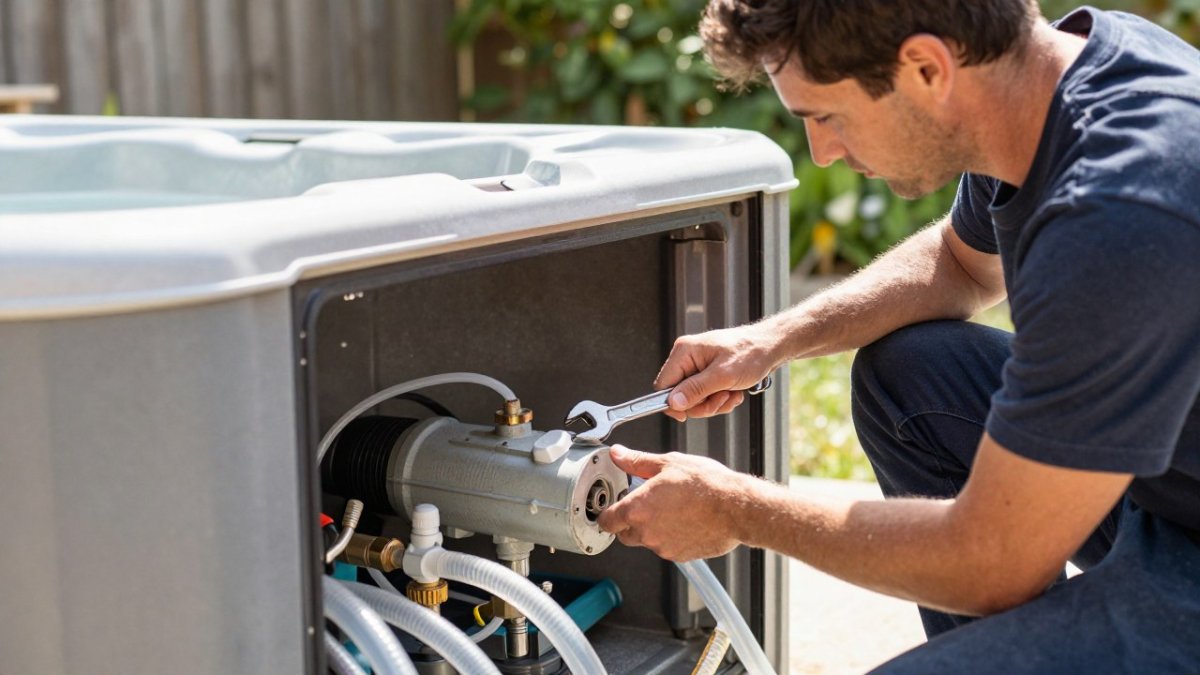
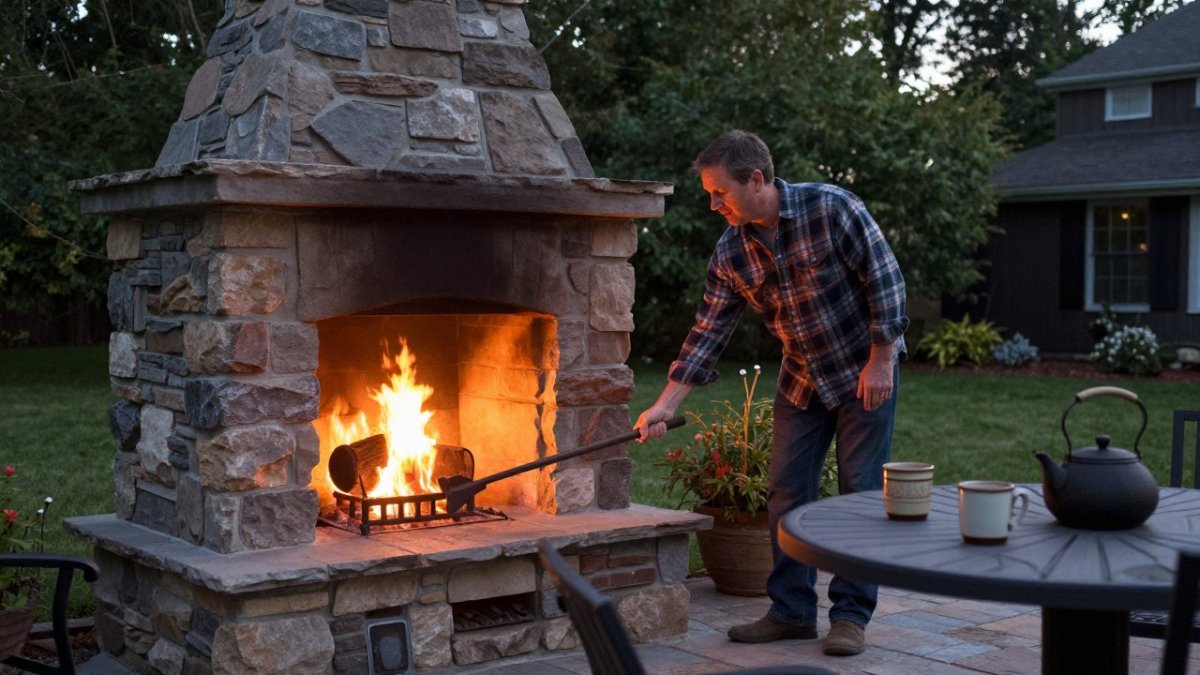
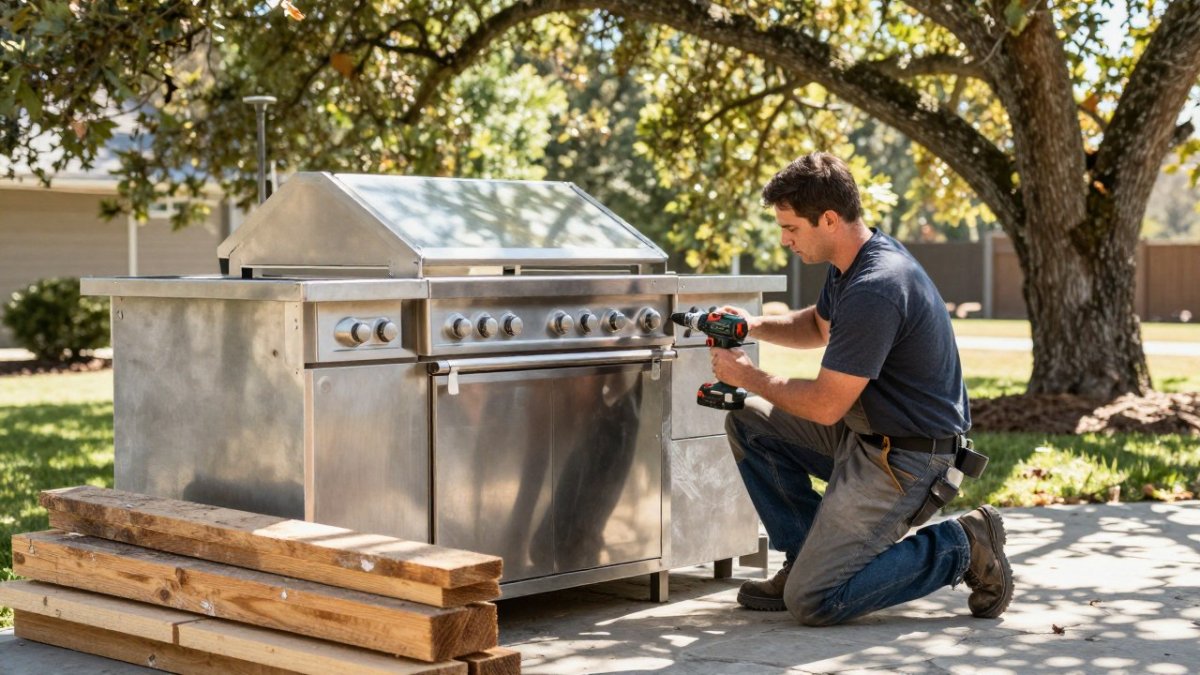
Start by listing every piece of the project: the patio, the spa, the outdoor kitchen, lighting, and labor. If your budget is tight, see practical ways to upgrade a patio on a budget. Then add a cost for each item. Getting several quotes for every major item helps you understand the real range. You can also weigh whether professional design help is worth the cost before committing funds.
A common mistake is budgeting only for the big purchase. Learn how long a backyard renovation takes, since timeline affects costs and financing terms, in How Long Does a Backyard Renovation Take?. Delivery, installation, electrical work, and site prep often add cost that never shows up in a product price.

Using a Backyard Renovation Cost Calculator
A backyard renovation cost calculator can help you turn your list into a total. Enter each item, its quantity, and its quoted price, and the totals show the full picture before you apply for any loan.
You can use a calculator to test different versions of the same project by removing a fire pit or swapping stone pavers for a lower-cost material, then comparing the totals. Explore affordable alternatives to stone patio pavers for lower-cost material options. This shows you where your money goes and which choices change your loan amount the most.
Adding a Contingency for Permits and Surprises
Permits, inspections, and surprises in the ground can add real costs to any backyard project. Set aside a contingency of about 10 to 15 percent of your total budget. If you do not need it, you keep the money. If you do, you avoid a rushed second loan.
Check with your city or county building department early to learn which permits your plans need. See whether an outdoor kitchen needs a permit and what that process involves. Ask your contractor or installer to explain which costs are included in their quote and which are not.
Compare the Main Ways to Finance a Backyard Renovation
Most homeowners pay for a backyard project in one of three ways: cash, a personal loan, or home-secured borrowing. Each option has trade-offs in cost, speed, and risk. The right choice depends on your project size and how confident you are in repaying it.
Cash, Savings and Same-as-Cash Offers
Paying with savings is the cheapest option because you pay no interest. The downside is that it can drain your emergency fund. Keep enough cash on hand for unexpected repairs before you spend it on the yard.
Some retailers and installers offer same-as-cash promotions. You pay nothing in interest if you clear the full balance within the promotional period. Read the terms carefully. If you miss the deadline, many offers charge interest back to the original purchase date, which can be costly.
Unsecured Personal Loans
A personal loan is not tied to your house. Lenders approve you based on your credit score, income, and debt levels. Funds often arrive quickly, which helps if your project is already underway.
Interest rates on personal loans are usually higher than home-secured options, and the loan amount may be smaller. Compare the annual percentage rate (APR), the loan term, and any origination fee before you sign.
Home Equity Loans, HELOCs and Cash-Out Refinancing
Home-secured borrowing uses your house as collateral. A home equity loan gives you a lump sum with a fixed rate (What is the difference between a Home Equity Loan and a Home Equity Line of Credit...). A home equity line of credit (HELOC) gives you a revolving limit you draw on as needed, usually at a variable rate. Cash-out refinancing replaces your current mortgage with a larger one and gives you the difference in cash.
These options often offer lower rates, but they carry real risk. If you cannot make payments, you could lose your home. Use them only when you have a clear repayment plan.
Each main financing route has different costs, speed, and risk, as summarised below.
| Option | Best for | Key difference |
|---|---|---|
| Cash or savings | Homeowners who can pay outright | No interest, but can drain emergency savings |
| Same-as-cash offer | Buyers who can clear the balance in time | No interest only if paid within the promo period |
| Unsecured personal loan | Faster funding without using your home | Not tied to your house, usually higher rates |
| Home equity loan, HELOC or cash-out refinance | Larger projects with a clear repayment plan | Often lower rates, but your home is collateral |
Home Improvement Loans: Which Type Fits Your Project
Home improvement loans are designed for projects like yard upgrades. They may be unsecured or secured, depending on the lender. Use this quick guide to match your project to the right type:
- Small project (under about $10,000): A personal loan or savings may work best.
- Mid-size project ($10,000 to $40,000): Compare personal loans with a HELOC.
- Large project (above $40,000): Home-secured options may offer lower rates, but weigh the risk carefully.
Always compare at least three offers before choosing a loan.
Landscaping Loan Rates and How Lenders Set Them
Landscaping loan rates depend on your credit score, income, loan term, and whether the loan is secured. Lenders also consider the total amount you request and your existing debt. Rates change over time, so check current offers rather than relying on older figures.
Ask every lender to show the APR, which includes fees, so you can compare offers fairly. A slightly higher rate with no fees may cost less than a lower rate with a large origination charge.
Total Borrowing Cost and Repayment Examples
The monthly payment is only part of the story. Total borrowing cost includes all interest and fees over the life of the loan. A longer term lowers your monthly payment but usually raises the total interest you pay.
For example, a loan repaid over three years generally costs less in total interest than the same loan repaid over seven years, even if the monthly payment looks easier on the longer plan. Use a loan calculator to test several terms before you decide.
Financing a Backyard Project With Bad Credit
Bad credit makes borrowing harder and more expensive, but it does not rule out every option. You may qualify for a smaller loan, a secured loan, or a loan with a co-signer. Some homeowners also choose to phase the project so they can borrow less at one time.
Improve your odds by checking your credit report for errors, paying down revolving balances, and avoiding new credit applications before you apply.
Contractor Financing and What to Check Before Signing
Contractors and dealers often arrange financing through a third-party lender. These plans can be convenient because you apply at the point of sale, but the terms are not always the cheapest. Treat contractor financing as one offer to compare, not the default choice. Comparing contractor financing with whole house renovation financing can clarify whether a broader borrowing option better fits the project.
Promotional rates and deferred interest. Many contractor offers advertise "no interest if paid in full" within a promotional window, often 12 to 24 months. The catch is deferred interest: if you carry a balance past the deadline, some plans charge interest back to the original purchase date, not just on the remaining balance. That can add hundreds or thousands of dollars to a project. Mark the payoff date on your calendar and confirm in writing whether the plan is true zero-percent or deferred interest.
Lender fees and add-ons. Ask for the APR, the origination or lender fee, and whether the contractor builds a financing markup into the project price. A low advertised rate can hide a higher contract price. Compare the total amount you will repay, not just the monthly payment.
Compare against an independent loan. Before you sign a contractor's financing, get at least one quote from a bank or credit union for a personal loan or home equity product. A contractor offer that looks convenient may cost more over the full term than an independent loan with a slightly higher rate but no fees.
Contract and lien terms. Confirm the financing contract is separate from the construction contract, and check who holds the lien on the work. Ask what happens if the project is delayed or the contractor does not finish. Get the financing terms, the project scope, and the payment schedule in writing before any work begins.
Watch out: signing a contractor financing agreement before the scope and price are final can leave you paying for work you have not approved. Finalize the bid first, then choose the payment method.
Your Next Step: Set the Budget, Then Get Quotes
Start with your budget, build in a contingency, and compare at least three financing options. Once you know what you can afford to repay, get written quotes for the work. For current pricing and a quote on your project, call allvalley at 760-342-5277.
Frequently Asked Questions
What is the best way to finance a home renovation project?
For most homeowners, the best option depends on project size, how quickly you need the money, and how much equity you have. Savings or cash cost nothing in interest and avoid fees, so they are the first choice for small or mid-sized projects. Unsecured personal loans are fast and do not put your house at risk, but their rates are usually higher than home-secured options. Home equity loans and HELOCs often carry lower rates for large projects, but they use your home as collateral. Compare the annual percentage rate and total interest across at least three offers before you commit.
How much should I budget for a backyard renovation?
Start by listing every component: hardscape, planting, lighting, outdoor kitchen or fire feature, hot tub or pool work, labor, permits and delivery. Add a contingency of roughly 10 to 15 percent for surprises such as grading problems or code upgrades. A backyard renovation cost calculator can help you estimate line items, but treat its output as a starting point and confirm figures with written quotes from licensed contractors or from allvalley for the products and installation it offers. Pricing depends on scope, quantity and delivery, so get a current quote for your specific project.
Can I finance a backyard renovation with bad credit?
Yes, though your options narrow and your rate will likely be higher. Some lenders offer secured or smaller unsecured loans to borrowers with lower credit scores, and a co-signer with stronger credit can improve approval odds. Contractor or dealer financing may also be available, but read the terms closely because deferred interest can become costly. If your credit is weak, consider a smaller project phase first, paying down existing debt to improve your debt-to-income ratio, or saving for a portion of the cost before borrowing the rest.
Should I use a personal loan or a home equity loan for landscaping?
A personal loan is usually the better choice for a smaller project, roughly under the amount you could comfortably repay in three to five years, because there is no lien on your home and closing is often faster. A home equity loan or HELOC can make sense for a larger project when you have substantial equity and can afford the lower rate, but missed payments could put the house at risk. Compare the total interest paid over the full loan term, not just the monthly payment, and factor in any origination fees.