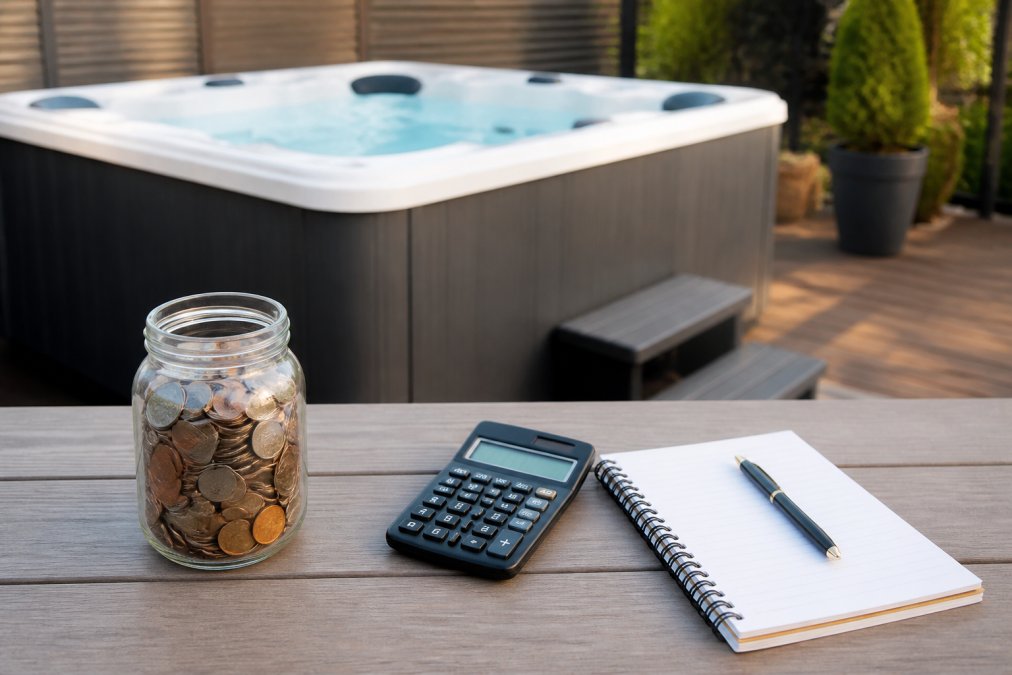
 comparison
Hot Tub Cost vs Benefits: 2026 Analysis
Table of Contents
- Hot Tub Cost vs Benefits: What the Numbers Show
- Upfront Investment: Entry-Level vs Luxury Models
- Hot Tub Installation Requirements and Site Preparation
- Hot Tub Monthly Operating Costs Breakdown
- Hidden Ownership Costs Beyond Monthly Bills
- Health and Wellness Benefits Worth the Investment
- Resale Value and Long-Term Depreciation
- Is a Hot Tub Worth It for Your Situation
- Frequently Asked Questions
Last Updated: September 21, 2026
Hot Tub Cost vs Benefits: What the Numbers Show
A hot tub purchase is one of the biggest backyard investments most homeowners make. The upfront cost alone ranges from a few hundred dollars for an inflatable model to over $20,000 for a luxury spa. But the real question isn't just what you pay upfront, it's whether the wellness benefits, lifestyle value, and long-term resale impact justify the total cost of ownership.
The hot tub cost vs benefits analysis reveals trade-offs that initial sticker shock obscures: some models cost less but drain utility bills monthly, others demand constant maintenance, and a few minimize both. Understanding these differences separates satisfied buyers from those who regret their purchase.
Upfront Investment: Entry-Level vs Luxury Models
Entry-level models start around $400 for inflatable spas, while premium options exceed $20,000. Understanding what each tier delivers is more important than choosing cheap or expensive.
Inflatable hot tubs require zero installation and let you test spa ownership before committing serious money. The drawback: they consume far more energy and typically last 2-3 seasons. Best for first-time buyers or renters.
Entry-level rigid models like the Wellness G-2 cost under $6,000 and feature clinically-backed hydrotherapy jets with energy-efficient insulation. They deliver therapeutic value without premium pricing, though with fewer features and smaller seating capacity than higher-end models.
Premium spa systems like the Sundance Spas Premium Series start at $6,000 and climb to $20,000+. They feature full-foam insulation, optimized jets, and integrated water management systems. They maintain resale value better and typically last 15-20 years.
| Model Type | Starting Price | Best For | Key Trade-Off |
|---|---|---|---|
| Inflatable | $400 | Testing before commitment | High energy use, short lifespan |
| Entry-Level (Wellness G-2) | Under $6,000 | Budget buyers seeking therapy | Fewer features than premium models |
| Premium (Sundance) | $6,000-$20,000+ | Long-term investment, energy savings | Significant upfront cost |
| Luxury (Jacuzzi) | $8,000-$26,000+ | Advanced hydrotherapy, service network | Highest initial investment |
The upfront decision hinges on commitment: buying for a season or a decade. If uncertain, start small. If committed to regular use, premium models generate real savings through lower utility consumption.
Hot Tub Installation Requirements and Site Preparation
Installation costs often blindside buyers. Beyond the spa itself, you'll need electrical upgrades, drainage, structural support, and sometimes plumbing. Site preparation can add thousands to total cost of ownership.
Electrical requirements are the first hurdle. Most hot tubs require 240-volt service with dedicated circuits from your main panel. If 240V is already available nearby, costs are minimal. If not, budget for an electrician. This is non-negotiable for safety and proper operation.
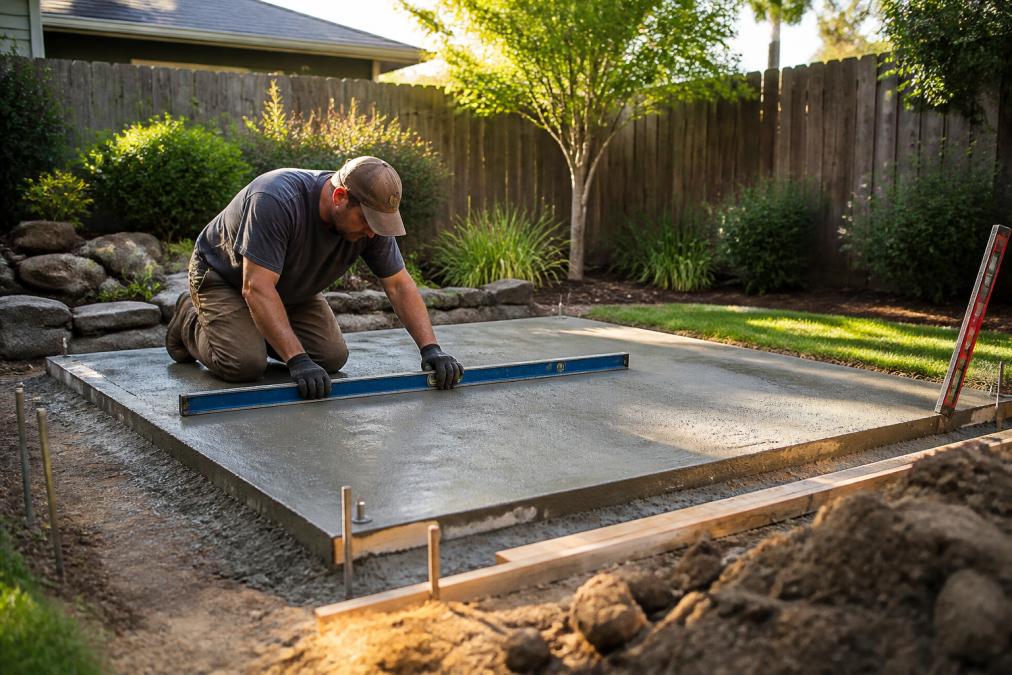
Ground preparation is essential. Your hot tub needs level, stable ground; uneven surfaces cause stress and leaks. A concrete pad or reinforced gravel base ensures proper sitting and longevity. Skipping this step costs more in repairs later.
Drainage and water access require planning. You need a way to drain the spa 3-4 times yearly and convenient refill access. Some backyards have natural drainage; others need grading or drain lines installed.
Structural considerations apply if placing the spa on a deck. A filled hot tub weighs 3,000-5,000 pounds and may require additional support beams or deck reconstruction, a significant hidden cost.
Professional installation handles these requirements end-to-end, reducing errors and ensuring code compliance. The guarantee backing professional installation often justifies the service cost.
Hot Tub Monthly Operating Costs Breakdown
Monthly operating costs depend almost entirely on energy efficiency and insulation quality. A poorly insulated spa costs $100-150 monthly; a premium model might cost $15-40 monthly. Over five years, that difference compounds to thousands of dollars.
Heating costs dominate monthly utility impact. Maintaining 102-104°F water temperature requires consistent energy input. Full-foam insulation in premium models traps heat far more effectively than basic insulation, making it the largest factor in monthly expenses.
Jet operation adds secondary energy consumption. Most users run jets 1-2 hours daily. Optimized jet systems deliver better hydrotherapy with less energy draw than larger jets.
Filtration systems run continuously to maintain water quality. Advanced filtration in premium models operates more efficiently, using less electricity while reducing chemical load.
Chemical maintenance isn't an energy cost, but it's a real monthly expense. Budget $30-50 monthly for chlorine, pH balancers, and testing supplies. Premium models with integrated water management systems sometimes reduce this to $20-30 monthly because their filtration handles more of the work.
A mid-range model costs roughly $85-125 monthly ($1,020-1,500 annually): heating ($40-60), filtration ($10-15), jets ($5-10), chemicals ($30-40). Premium models cut this by 40-60%; budget models exceed $150 monthly in winter.
Hidden Ownership Costs Beyond Monthly Bills
Monthly utility bills are only part of the picture. Ownership brings ongoing expenses that catch many buyers off guard. Understanding these hidden costs is essential to realistic budgeting.
Annual maintenance includes draining and refilling (3-4 times yearly), deep cleaning, and inspections. Budget $300-500 annually for supplies and occasional professional service.
Equipment replacement becomes necessary over time. Pumps, motors, and heaters cost $500-1,500 to replace. Filters need replacement every 1-2 years at $100-300 each. Premium models have longer component lifespans.
Cover replacement happens every 3-5 years at $200-400. This genuine ongoing cost is often overlooked in initial budgeting.
Structural repairs may be needed if the spa shell cracks or seals fail. Minor repairs cost $200-500; major damage exceeds $2,000. Premium models have lower risk but it remains possible.
Winterization in cold climates requires draining the spa and protecting it from freeze damage. In warmer regions, this is minimal. For those in seasonal climates, winterization supplies and potential professional service add $100-200 annually. Maintaining these systems through the coldest months often encourages a transition toward the invigorating practice of a daily cold plunge to enhance physical recovery.
Hidden costs typically add $500-800 annually beyond utility bills, $2,500-4,000 over five years. Premium models with better build quality reduce these costs significantly.
Health and Wellness Benefits Worth the Investment
The financial analysis tells only half the story. Wellness benefits, stress relief, muscle recovery, improved sleep, pain management, have real value even if harder to quantify.
Hydrotherapy benefits are clinically documented. Warm water immersion increases circulation, reduces muscle tension, and alleviates joint pain (pubmed.ncbi.nlm.nih.gov). For people with arthritis or chronic pain, a hot tub often costs less than massage therapy, physical therapy, or pain management treatments over time.
Stress reduction and mental health benefits are substantial. Regular hot tub use activates the parasympathetic nervous system, lowering cortisol and promoting relaxation. Many users report better sleep, improved mood, and reduced anxiety.
Social and family connection is often overlooked. A hot tub becomes a gathering space for screen-free family time and conversations, translating to quality of life improvements that matter deeply in daily living.
Recovery for active people is significant. Athletes use hot tubs for muscle recovery and injury prevention. The cost-benefit shifts when a spa reduces recovery time or prevents expensive medical interventions.
Resale Value and Long-Term Depreciation
A hot tub's impact on home resale value is counterintuitive. Most hot tubs depreciate significantly and don't add dollar-for-dollar value to your home. However, the financial picture is more nuanced than that simple statement suggests.
Is a Hot Tub Worth It for Your Situation
The hot tub cost vs benefits analysis has no single answer. The financial equation changes based on your specific circumstances, climate, usage patterns, and wellness priorities.
A hot tub makes strong financial sense if:
- You have chronic pain, arthritis, or athletic recovery needs that justify the wellness investment
- You'll use it regularly (4+ times weekly) rather than occasionally
- You live in a climate where year-round use is practical
- You prioritize wellness and stress relief enough to commit to maintenance
- You can afford the upfront investment without financial strain
- You plan to stay in your home for 5+ years, allowing time to enjoy it
A hot tub is questionable financially if:
- You're uncertain about regular usage patterns
- You're buying primarily for resale value (depreciation works against you)
- Monthly utility costs will strain your budget
- You live in a climate where seasonal use is limited
- You view it as a luxury rather than a wellness tool you'll genuinely use
Skip the hot tub if:
- You're price-sensitive and can't afford $1,000+ annually in operating and maintenance costs
- Your backyard lacks space or electrical infrastructure for proper installation
- You have limited time for maintenance and chemical management
- You're primarily motivated by what neighbors have rather than genuine interest
Frequently Asked Questions
What are the hidden costs of hot tub ownership?
Beyond monthly utility bills, expect annual maintenance costs for chemicals, filter replacements, and preventative servicing. Electrical upgrades for proper 240V installation can run $1,000-$3,000 if your home lacks adequate capacity. Site preparation, including concrete pads or deck reinforcement, adds another $500-$2,000. Warranty coverage varies; premium models often include extended protection that budget models lack. Chemical costs alone typically run $30-$100 monthly depending on water chemistry maintenance frequency and shell material.
How much does it cost to run a hot tub monthly?
Monthly utility bills depend heavily on insulation quality and climate. Entry-level models with standard insulation cost $50-$100 monthly. Premium models with full-foam insulation and energy efficiency features cost $15-$40 monthly. In cooler climates, heating accounts for 80% of operating expenses. Chemical maintenance adds $30-$100 monthly. Total monthly operating costs typically range $45-$150, with luxury hot tubs offering the lowest per-month expense over their lifespan due to superior insulation and filtration systems.
Do hot tubs actually increase home resale value?
Hot tubs rarely increase home value dollar-for-dollar. Most add 5-10% to perceived appeal but depreciate 15-20% annually. High-end models with professional installation and premium features retain value better than budget alternatives. Buyers in warmer climates view hot tubs more favorably than those in cold regions. The best financial outcome comes from enjoying the wellness benefits during ownership rather than counting on resale appreciation. Depreciation and resale value analysis shows most homeowners recoup 30-50% of their total investment when selling.
What is the difference between entry-level and luxury hot tub features?
Entry-level models (under $6,000) offer basic hydrotherapy jets and standard insulation, resulting in higher monthly operating costs and frequent maintenance needs. Luxury models ($6,000-$26,000+) feature advanced full-foam insulation, optimized jet placement for targeted muscle relief, integrated water management systems, smart monitoring for maintenance tracking, and superior shell materials like acrylic versus rotomolded plastic. Premium options reduce energy consumption by 60-75%, last 10-15 years versus 5-7 years for budget models, and require less chemical usage due to better filtration systems.