 ultimate-guide
Hot Tub Ozonator Benefits: Complete 2026 Guide
Table of Contents
- What Is a Hot Tub Ozonator and How Does It Work?
- The Real Benefits of Using a Hot Tub Ozonator
- Hot Tub Ozone vs. Chlorine: Which Sanitization System Works Better?
- Signs of a Failing Hot Tub Ozonator and When to Replace It
- How Long Do Hot Tub Ozonators Last and What Affects Lifespan?
- Is an Ozonator Right for Your Spa?
- Frequently Asked Questions
Last Updated: September 29, 2026
What Is a Hot Tub Ozonator and How Does It Work?
A hot tub ozonator generates ozone gas to oxidize contaminants and organic matter. Unlike chlorine or bromine, ozone breaks down bacteria, viruses, and organic compounds on contact, then dissipates without leaving a chemical residue.
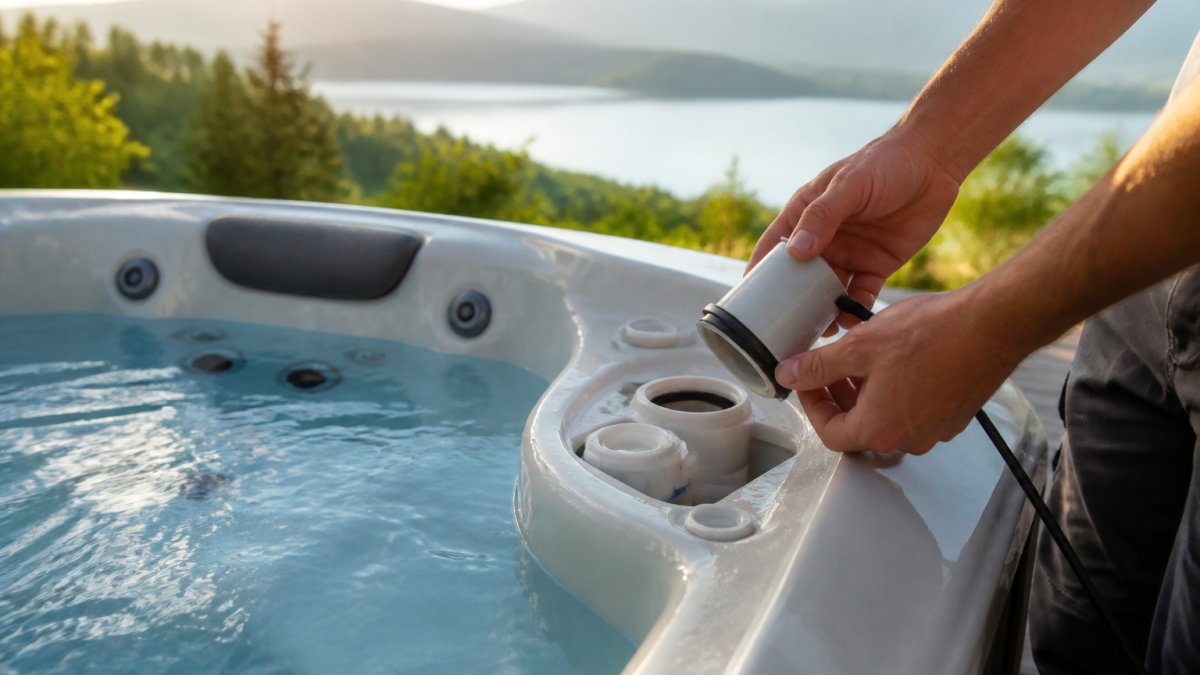
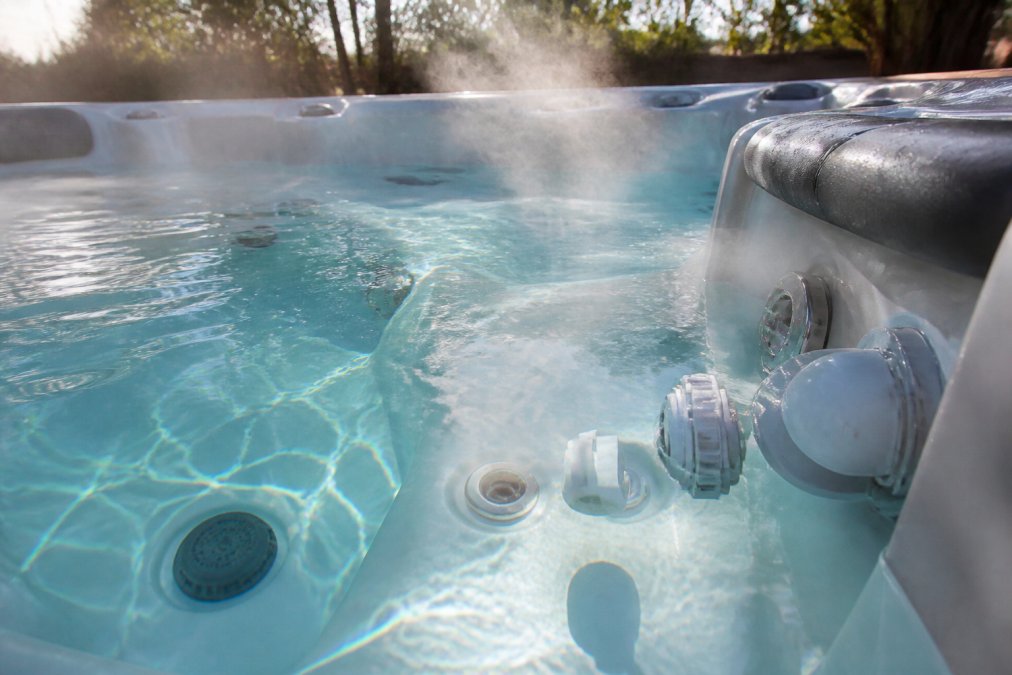
Most residential hot tubs use UV ozonators (which convert oxygen into ozone using UV light) or corona discharge ozonators (which apply an electrical charge to oxygen molecules). The ozone is injected into the water circulation system through an injector and check valve, where it oxidizes contaminants as water passes through.
As the pump circulates water, ozone breaks down organic matter like body oils and cosmetics much faster than chemical sanitizers alone. Once ozone completes its work, it converts back to oxygen, leaving no chemical byproduct.
The Real Benefits of Using a Hot Tub Ozonator
Hot tub ozonator benefits address practical maintenance challenges: chemical imbalance, high sanitizer costs, and water clarity, plus environmental and health benefits most owners don't immediately consider.
Reduced Chemical Demand and Lower Sanitizer Costs
An ozonator dramatically reduces chlorine or bromine demand. Because ozone handles the bulk of oxidation work, many hot tub owners cut sanitizer usage by 50% or more.
Over a year, chemical savings add up significantly, especially with frequent use. You're not eliminating chlorine or bromine (they still provide residual protection), but reducing demand substantially.
Fewer chemicals also mean less frequent water balancing and pH adjustments, time saved on maintenance.
Clearer Water and Better Bather Comfort
Ozone oxidizes organic compounds that chlorine and bromine struggle with, resulting in noticeably clearer water and reduced chlorine odor.
The strong chlorine smell is actually chloramine, formed when chlorine reacts with organic matter. An ozonator reduces chloramine formation by handling organic matter before chlorine encounters it, so water smells fresher and feels softer on skin.
Bathers report less eye and skin irritation because ozone doesn't leave a chemical residue, keeping water chemistry more stable.
Faster Oxidation of Organic Matter
Ozone oxidizes contaminants almost instantly, far faster than chlorine or bromine alone, keeping water cleaner between treatments and filtration cycles.
In a busy hot tub, an ozonator keeps pace with organic matter accumulation, preventing cloudiness and maintaining consistent clarity.
Environmental and Health Benefits
Reducing chemical consumption has measurable environmental benefits. By cutting sanitizer usage by 50% or more, you reduce the chemical load entering wastewater systems and groundwater.
Ozonators reduce disinfection byproducts (DBPs) like chloramines and trihalomethanes, minimizing these EPA-regulated compounds entering wastewater.
Lower chlorine and bromine levels mean fewer respiratory irritants. People with asthma or chemical sensitivities often report ozonator-equipped spas feel more comfortable.
Ozone-assisted systems maintain clarity and chemistry more effectively, extending time between water changes from 3-4 months to 4-6 months, saving 400-800 gallons annually for a typical 400-gallon tub.
Hot Tub Ozone vs. Chlorine: Which Sanitization System Works Better?
The answer is "ozone and chlorine together," not "ozone instead of chlorine."
Chlorine is a residual sanitizer that stays in water and protects between circulation cycles. Ozone is a contact sanitizer that works only while water flows through the injection point; it provides no ongoing protection once it dissipates.
Every hot tub with an ozonator still needs chlorine or bromine. The ozonator handles oxidation and reduces chlorine demand; chlorine provides residual protection when the pump isn't running.
| Feature | Ozone | Chlorine | Combined System |
|---|---|---|---|
| Residual protection | No | Yes | Yes (chlorine) |
| Oxidation speed | Very fast | Moderate | Very fast (ozone) |
| Chemical smell | None | Strong | Reduced |
| Water clarity | Excellent | Good | Excellent |
| Cost per month | Equipment cost only | Ongoing chemical cost | Lower total cost |
| Maintenance frequency | Low | Moderate | Low |
In practice, a combined system outperforms either method alone. The ozonator handles oxidation and reduces chemical demand, while chlorine provides the safety net of residual protection. Your water stays clearer, smells fresher, and costs less to maintain than a chlorine-only system.
Signs of a Failing Hot Tub Ozonator and When to Replace It
A failing ozonator shows predictable warning signs. Recognizing them early prevents unnecessary replacement and saves money on repairs.
Declining water clarity despite proper filtration and balanced chemistry suggests a failing ozonator. It's no longer oxidizing organic matter effectively, forcing chlorine to work harder.
Increasing chlorine or bromine demand, adding sanitizer more frequently with dropping residual levels, suggests your ozonator isn't functioning.
How to Test If Your Ozonator Is Actually Working
Before assuming your ozonator has failed, test whether it's producing ozone. This is the most reliable way to confirm the problem.
The Smell Test (Simplest Method) Ozone has a distinctive sharp, metallic smell similar to air after a lightning strike. Position your nose near the ozone injector point while the pump runs. A functioning ozonator produces a faint ozone odor within 10-15 seconds. If you smell nothing after 30 seconds, the ozonator likely isn't generating ozone.
The Visual Inspection Method For UV ozonators, a functioning bulb glows bright blue-purple through the chamber window. Dim, flickering, or dark bulbs need replacement. For corona discharge units, listen for a faint humming or crackling sound when the pump runs; silence suggests the unit isn't operating.
The Water Clarity Baseline Compare current water clarity to photos taken when the ozonator was new. Significant cloudiness despite balanced chemistry and a clean filter points to reduced ozone output.
The Injector Check The injector and check valve are the most common failure points. Turn off the pump and inspect the injector line for cracks, backflow (water flowing backward into the chamber), or mineral buildup. Replacing these components ($30-$80) is far more cost-effective than replacing the entire unit.
Other Warning Signs
Some ozonators produce audible changes as they fail. A UV ozonator may flicker or dim before the bulb burns out completely. A corona discharge unit might produce unusual sounds or stop injecting ozone entirely. Water chemistry instability is another red flag, if your pH, alkalinity, or other levels are becoming harder to maintain, your ozonator may be failing and creating an imbalance in your sanitization system.
Expected Lifespan and Replacement Timeline
Most ozonators last 3-7 years depending on type and usage. UV ozonators typically need bulb replacement every 2-3 years. Corona discharge units often last longer before replacement is necessary. If your ozonator is approaching the end of its expected lifespan and you're noticing any of these signs, replacement is likely overdue.
How Long Do Hot Tub Ozonators Last and What Affects Lifespan?
Hot tub ozonator lifespan depends primarily on the type of unit and how consistently you use your spa. UV ozonators typically last 2-3 years before the bulb requires replacement. Corona discharge ozonators often operate for 5-7 years before needing replacement, though the injector and check valve may need attention sooner.
Several factors affect how long your ozonator will actually last.
Is an Ozonator Right for Your Spa?
An ozonator makes sense if you use your hot tub regularly and want to reduce ongoing maintenance and chemical costs. If you're soaking a few times per month and don't mind managing chemicals actively, the ozonator investment may not pay off quickly.
Frequently Asked Questions
Are hot tub ozonators worth it?
Yes, if you want to reduce chlorine or bromine demand and lower ongoing sanitizer costs. An ozonator oxidizes organic matter and contaminants, meaning your residual sanitizer works harder and lasts longer. The upfront cost is offset by reduced chemical purchases and less frequent water turnover. However, an ozonator does not eliminate the need for a residual sanitizer, it works alongside chlorine or bromine, not as a replacement.
Does a hot tub ozonator replace chlorine or bromine?
No. An ozonator is a supplemental oxidizer, not a replacement for chlorine or bromine. Ozone gas oxidizes organic matter and biofilm quickly, but it off-gasses rapidly and leaves no residual protection. Chlorine or bromine provides the residual sanitizer that keeps your water safe between uses. Together, they create a more efficient sanitation system than either one alone.
How do I know if my hot tub ozonator is working?
Look for these signs: improved water clarity, lower chlorine or bromine demand (you're adding less sanitizer than before), and less frequent algae or biofilm growth. You can also test your water, if oxidation is happening, your oxidation-reduction potential (ORP) readings should be stable or high. If your water quality is declining despite normal chemical levels, your ozonator may be failing and needs replacement.
What are the downsides of using an ozone generator?
Ozonators require maintenance and have a limited lifespan (typically 3-5 years depending on type). They add upfront equipment cost and require proper installation with an injector and check valve. If your ozonator fails, water quality can drop quickly since ozone off-gasses rapidly. Also, ozonators do not address pH levels or alkalinity, you still need to monitor and balance those manually for proper spa chemistry.