 how-to
How Often to Use a Hot Tub for Joint Pain Relief
Table of Contents
- How Often to Use a Hot Tub for Joint Pain
- Why a Hot Tub for Arthritis Helps Stiff, Aching Joints
- How Long Should Your Hot Tub Soaking Time Be?
- The Right Hot Tub Temperature for Arthritis Relief
- Hot Tub Safety for Seniors: What to Watch For
- When to Skip the Soak: Flare-Ups and Who Should Ask a Doctor
- Building a Weekly Hot Tub Routine That Actually Sticks
- Frequently Asked Questions
Last Updated: October 17, 2026
How Often to Use a Hot Tub for Joint Pain
Most people soak too long, too hot, and too late in the day. The result is a stiff, dehydrated body that feels worse the next morning. The right answer for how often to use a hot tub for joint pain is three to four sessions per week, 15 to 20 minutes each, at 98°F to 102°F. That range gives joints real relief without stressing your heart or your skin.
At allvalley, we've spent 26 years helping homeowners set up backyard retreats. We've heard the same questions again and again. Does soaking actually help arthritis? How long is too long? What temperature is safe? Below, we'll show you the schedule that works, the temperature that helps most, and the warning signs that mean you should skip the soak.
But first, here's what most guides get wrong: they treat frequency like a fixed rule. It isn't. Your joints, your medications, and your flare-up pattern all change the answer.
Why a Hot Tub for Arthritis Helps Stiff, Aching Joints
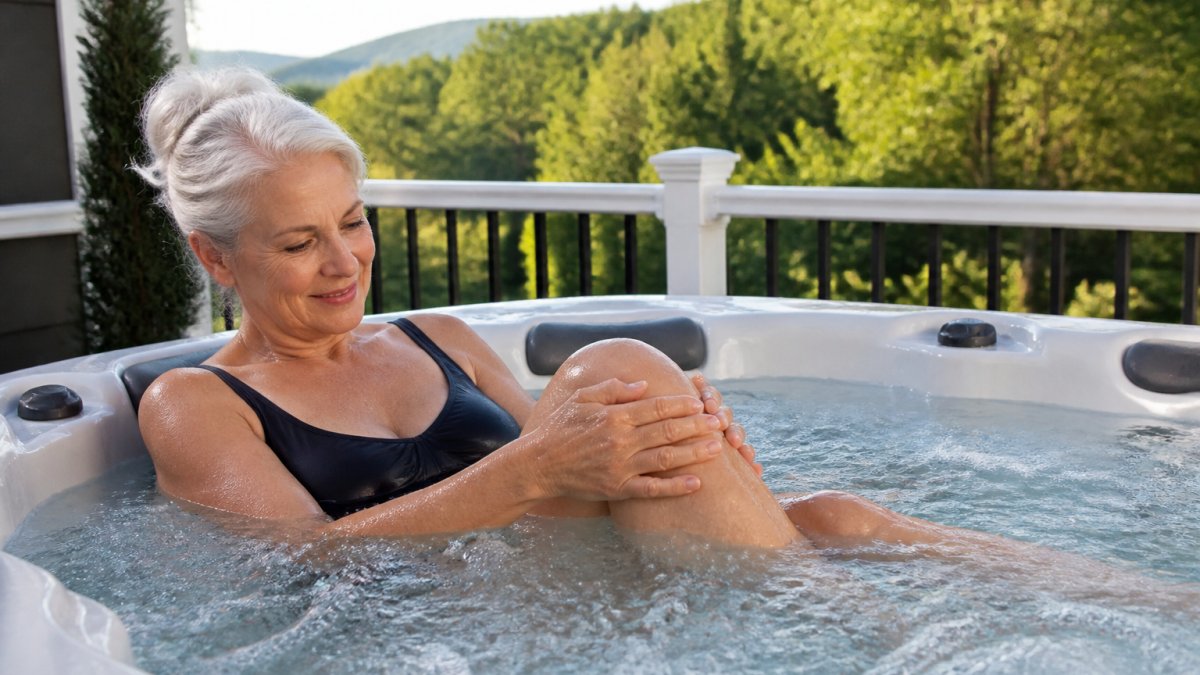
Warm water does two things at once. It relaxes the muscles around a sore joint, and it takes weight off the joint itself. That combination is why so many people with arthritis find soaking so helpful.
Hot tub therapy for arthritis is the practice of soaking in warm, moving water to reduce joint stiffness and muscle tension. The heat widens blood vessels and boosts blood flow to the area. Buoyancy cuts the load on hips, knees, and ankles. Many people find they can move more freely in water than on land.
A common mistake is expecting heat to fix everything. It won't. Heat eases stiffness and pain, but it does not rebuild cartilage or stop joint damage. Think of it as a comfort tool that helps you move more, not a cure.
- Heat relaxes tight muscles around the joint
- Buoyancy reduces pressure on weight-bearing joints
- Jets give a light massage that can calm sore tissue
- Warmth can loosen morning stiffness so you can stretch
The Arthritis Foundation's guidance on heat and cold therapy notes that moist heat can ease pain and stiffness for many people. It also warns that heat is not right for every condition, which is why a quick check with your doctor matters.
How Long Should Your Hot Tub Soaking Time Be?
Your hot tub soaking time should land between 15 and 20 minutes for joint pain. That window is long enough for heat to reach deep tissue and short enough to avoid overheating.
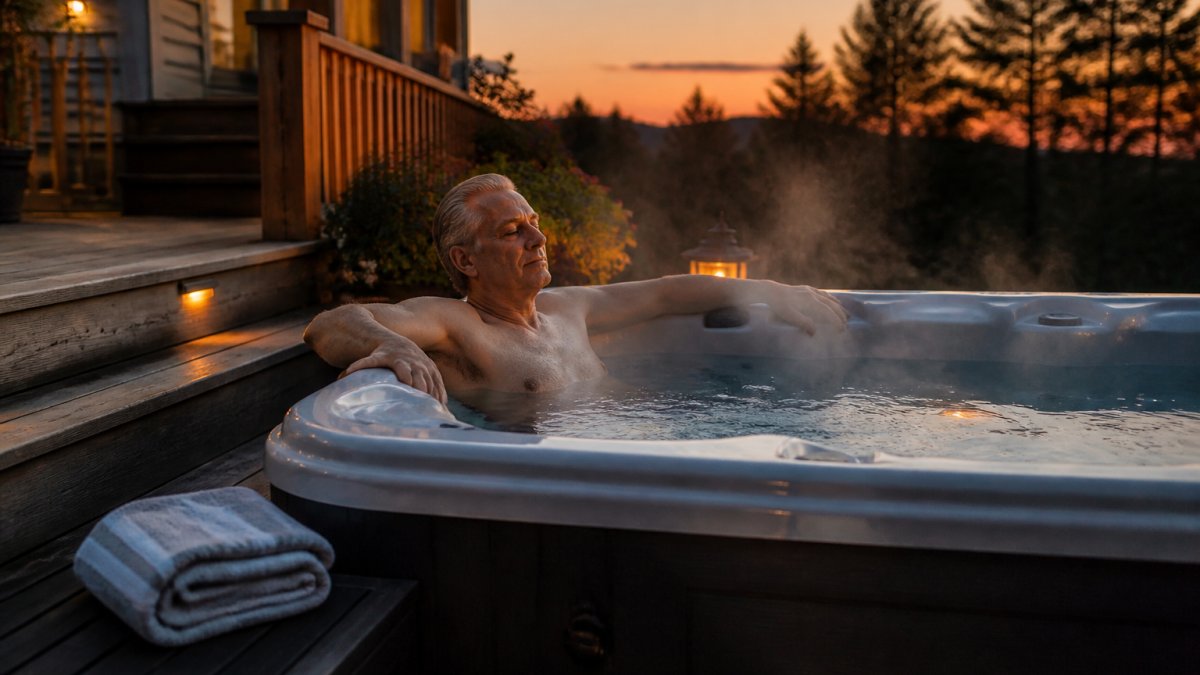
Here's how to structure a session:
- First 5 minutes: let your body adjust to the heat
- Middle 10 minutes: turn on the jets and target the sore joint
- Last 5 minutes: sit still and let the warmth settle in
Beginners should start at 10 minutes and add a few minutes per session. If you feel lightheaded, dizzy, or flushed, get out. Those are signs you've had enough.
The Right Hot Tub Temperature for Arthritis Relief
The best hot tub temperature for arthritis relief is 98°F to 102°F. This range is warm enough to relax muscles and ease stiffness without pushing your body into stress.
Many people crank the dial to 104°F because hotter feels better at first. It isn't better for joints. Very hot water can raise your heart rate, make you dizzy, and dry out your skin. It also makes it easier to overstay your welcome in the water.
For arthritis specifically, steady moderate heat beats extreme heat. You want a slow, deep warm-up, not a shock to the system. A common approach is to keep the tub at 100°F and let the jets do the extra work on a sore knee or shoulder. Maintaining this consistent temperature allows for a therapeutic soak that mimics the benefits found when using walk-in tubs for arthritis to manage chronic stiffness.
- 98°F to 100°F: gentle, good for longer soaks and sensitive skin
- 100°F to 102°F: the sweet spot for most joint pain
- Above 102°F: keep sessions short and check with your doctor first
The Consumer Product Safety Commission's pool and spa safety information reminds users that hot tubs carry real risks, especially for older adults and people with health conditions. Temperature is one of the biggest factors.
Hot Tub Safety for Seniors: What to Watch For
Hot tub safety for seniors comes down to four things: hydration, entry and exit, time limits, and knowing your health risks. Get those right and soaking is low-risk for most people.
Older adults lose body heat regulation more slowly, and some medications change how the body handles heat. Blood pressure drugs, for example, can make you dizzy when you stand up from warm water. That's why slow, careful movement matters.
- Drink water before and after soaking
- Use the steps and handrail every single time
- Keep a phone nearby in case you need help
- Never soak alone if you have a heart condition
- Skip alcohol entirely around soak time
If you have diabetes, nerve damage, or circulation problems, talk to your doctor before you start a routine. Those conditions change how your body responds to heat.
When to Skip the Soak: Flare-Ups and Who Should Ask a Doctor
Skip the soak during an active flare-up with heat, swelling, or sharp pain. Heat can make acute inflammation worse. Use cool packs and rest instead, then return to warm water once the flare settles.
This is the part most guides gloss over. Heat feels good, so people use it during a flare and wonder why the joint swells more. During a flare, your joint is already inflamed. Adding heat can feed that inflammation.
Ask your doctor before soaking if you have any of these:
- Heart disease or uncontrolled high blood pressure
- Diabetes with nerve damage
- Pregnancy
- Open sores or a skin infection
- A recent joint injury or surgery
The CDC's physical activity guidance for arthritis supports low-impact movement as a core part of arthritis management. Soaking can help you move more comfortably, but it works best as a partner to activity, not a replacement.
Building a Weekly Hot Tub Routine That Actually Sticks
A routine that sticks is short, scheduled, and tied to something you already do. Aim for three to four soaks per week, and anchor them to fixed times so they become automatic.
Here's a simple weekly plan to start with:
| Day | Session | Focus |
|---|---|---|
| Monday | 15 min, 100°F | Loosen stiffness after the weekend |
| Wednesday | 20 min, 101°F | Target the sorest joint with jets |
| Friday | 15 min, 100°F | Wind down and relax muscles |
| Sunday | 20 min, 101°F | Full-body soak and stretch |
Adjust as your body tells you. Some weeks you'll want four soaks. During a flare, drop to zero and rest. The routine should serve you, not the other way around.
A hot tub for joint pain works best when it's easy to use. That's where setup matters. allvalley has spent 26 years delivering and installing hot tubs, and every tub comes with a free starter kit and chemicals so you're not hunting down supplies on day one. Fewer maintenance headaches means you'll actually use the tub instead of letting it sit.
Pair your soaks with gentle movement. A few minutes of stretching after you get out, while joints are warm, can extend the relief. And keep a log for the first month. Note the date, temperature, duration, and how your joints felt the next day. Patterns show up fast, and they'll tell you more than any general rule.
Frequently Asked Questions
How often should you use a hot tub for joint pain?
Most people with joint pain get the best results from 3 to 5 sessions per week, at 15 to 20 minutes each. Daily use is fine for many people as long as the water stays at a moderate temperature and you stay hydrated. Start with 2 to 3 sessions a week and adjust based on how your joints feel the next day. If stiffness improves without added soreness, you can work up to more frequent soaks.
How long should you soak in a hot tub for arthritis?
Aim for 15 to 20 minutes per session. That is long enough for warm water to loosen stiff joints without overheating you or drying out your skin. New users should start at 10 minutes and add a few minutes per session over the first couple of weeks. If you feel lightheaded, dizzy, or unusually tired, get out and cool down. Longer soaks do not add more relief and raise the risk of dehydration.
What hot tub temperature is safest for arthritis?
A water temperature of 100 to 102 degrees Fahrenheit suits most people with arthritis. Hotter water, closer to 104 degrees, can feel good but raises the risk of overheating, dizziness, and skin irritation, especially for seniors. Keep sessions shorter at higher temperatures. If you take blood pressure medication or have heart conditions, ask your doctor what temperature is safe for you before your first soak.
Is it safe to use a hot tub every day for joint pain?
Daily use is safe for many people when sessions stay at 15 to 20 minutes and the water is kept at 102 degrees Fahrenheit or below. Hydrate before and after, and step out if you feel lightheaded. People with heart conditions, low blood pressure, or who are pregnant should check with a doctor first. Watch for signs of overheating, and never soak alone if you have balance issues or a history of fainting.
Joint pain is personal, and the right soak schedule is the one your body agrees with. If you're ready to build a backyard retreat that makes relief easy, allvalley can help. We offer professional delivery and installation, tubs built for easy maintenance, and free starter kits and chemicals with every hot tub purchase. Call us at 760-342-5277 to get started and turn your patio into a place your joints will thank you for.