 ultimate-guide
Long-Term Maintenance for Luxury Outdoor Spaces Guide
Quick Summary
Long term maintenance for luxury outdoor spaces means treating every component as a system with its own cycle, from hardscape and irrigation to spas and fire features. Build a checklist, follow a seasonal schedule, and log your work so small problems don't become costly failures.
- Start by listing every component, its materials, install date and who services it.
- Assign each checklist task a frequency: weekly, monthly, quarterly or annually.
- Adjust irrigation run times each season, and shift to early morning watering in June.
- Test hot tub chemistry weekly and have the heater, pump and electrical connections inspected annually.
- Spend more on hard-to-replace paving and structures, and choose low-maintenance plantings elsewhere.
Table of Contents
- Why Luxury Outdoor Spaces Need a Long-Term Maintenance Plan
- Building an Outdoor Living Space Maintenance Checklist
- Seasonal Landscape Maintenance Schedule for Southern California Climates
- Choosing Low-Maintenance Luxury Landscaping and Durable Materials
- Hot Tub Maintenance Schedule and Real Ongoing Costs
- Lifecycle Costs, Replacement Timelines, and Inspection Warning Signs
- Planning Your Next Step: Professional Service and Next Steps with allvalley
- Frequently Asked Questions
Why Luxury Outdoor Spaces Need a Long-Term Maintenance Plan
A luxury backyard is an investment, and it loses value fast when neglected. Heated pools, custom hardscaping, outdoor kitchens and spas wear down under the desert sun and cold, windy Coachella Valley nights.
Most owners underestimate how much of their outdoor space runs on maintenance. A luxury outdoor space is a set of systems: irrigation, drainage, plant beds, finishes, furniture, fire features and spas. Each has its own cycle and fails differently when ignored.
Start by listing every component you own: what it's made of, when it was installed and who services it. That list becomes the backbone of your maintenance calendar and helps you spot gaps before they become costly problems.
Building an Outdoor Living Space Maintenance Checklist
An outdoor living space maintenance checklist turns general good intentions into repeatable tasks. Keep it short enough that you'll actually use it, and review it at the start of each season.
Work through these categories:
- Hardscape surfaces: Inspect patios, walkways and retaining walls for cracks, loose pavers and settling. Clear debris from joints and check that drainage paths are open.
- Furniture and fabrics: Clean cushions, check frames for rust or loose hardware, and store soft goods during extreme heat or storms.
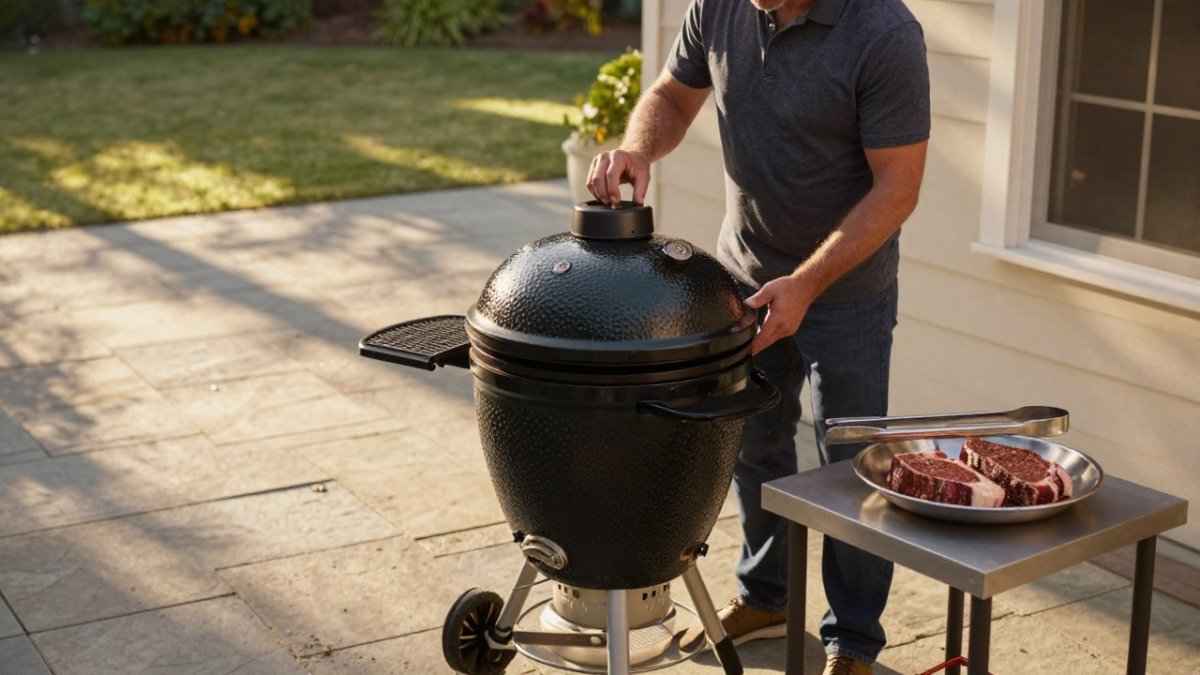
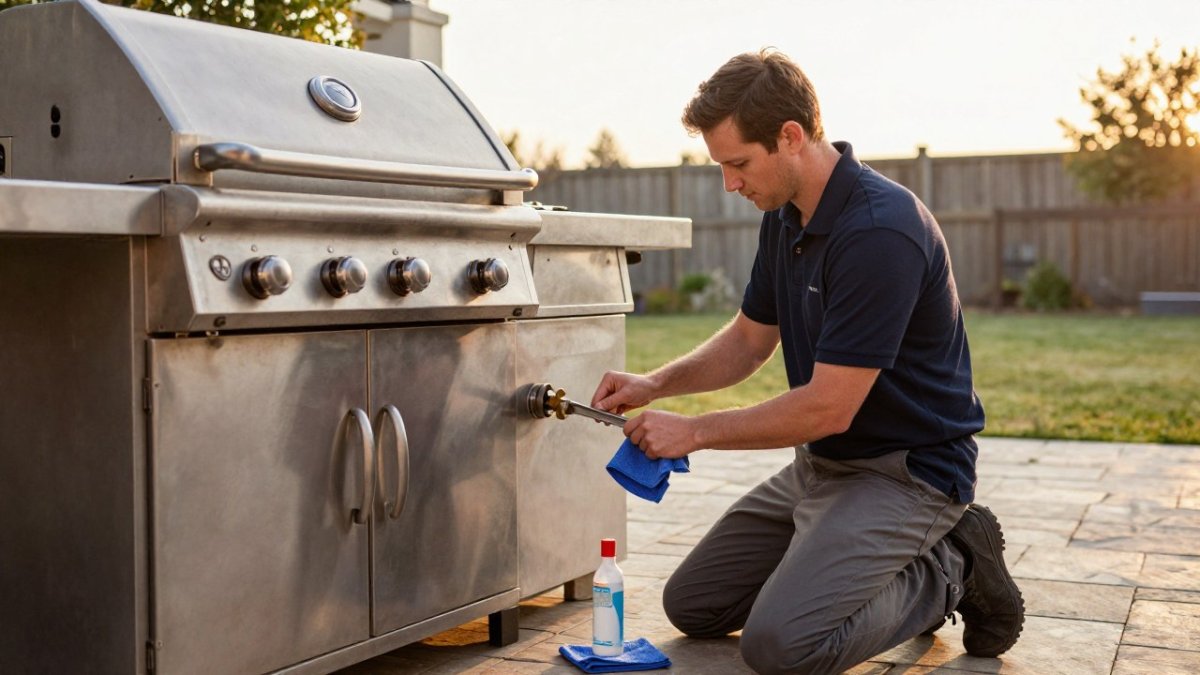
- Kitchens and fire features: Clean grills and burners, inspect gas connections for leaks, and confirm that fire pits and fireplaces operate safely.
- Irrigation and water management: Test sprinkler heads for coverage, check for leaks, and adjust run times to the season (the EPA).
- Plantings: Remove dead material, check for pests, and adjust watering for drought-tolerant and ornamental plants.
- Spas and water features: Test water chemistry, clean filters, and confirm that pumps and heaters are working.
A common mistake is treating the checklist as a one-time project. Its value comes from repetition. Assign each task a frequency, weekly, monthly, quarterly or annually, and keep a simple log of what you did and noticed. Over a few years, that log becomes your best diagnostic tool.
Seasonal Landscape Maintenance Schedule for Southern California Climates
Desert and inland Southern California climates demand a different rhythm than coastal yards.
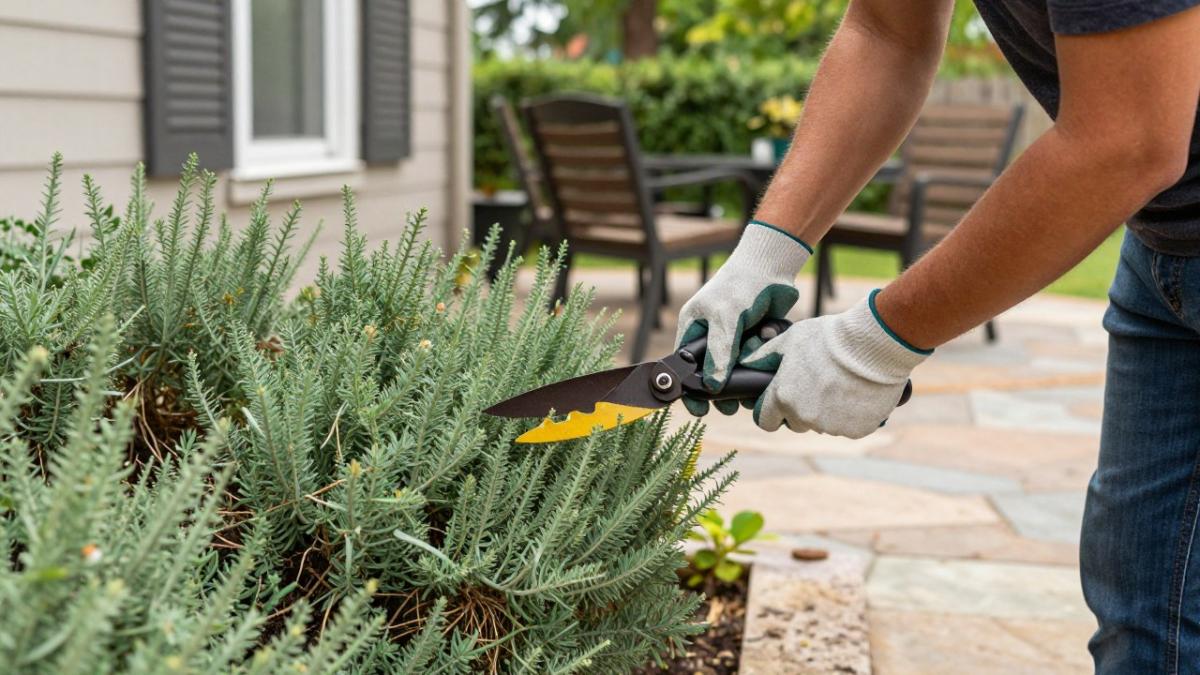
Use the calendar below as a starting template.
March: Apply fresh mulch to beds (2 to 3 inches, kept off trunks and stems). Fertilize established perennials and warm-season grasses according to soil-test recommendations. Plant or divide perennials while soil is still cool. Test spa and pool chemistry after winter dormancy and clean filters.
May: Watch for early heat stress, wilting during midday is normal, but wilting at dawn signals a watering problem.
June: Shift irrigation to early morning (before 8 a.m.) to reduce evaporation loss (Watering Can Be Efficient | WaterSense).
July: Monitor plants for heat stress and sunscald; provide temporary shade for sensitive specimens.
August: Deep-water established trees and shrubs less often but more thoroughly to encourage deep roots.
September: Reduce watering as temperatures drop, but don't stop abruptly, plants still need moisture going into fall. As you prepare fire features for heavier use, give the hot tub the same seasonal attention, since keeping its water balanced and equipment clean helps it remain ready alongside a Medi-Spa.
October: Apply fall mulch and compost to beds. Prune dead or damaged limbs before winter winds.
November: Protect exposed pipes and equipment on the coldest nights with insulation or heat tape.
December: Winterize irrigation where required, or reduce run times to the minimum plants need.
Watch out: Irrigation schedules that were right in spring can overwater plants in fall.
| Month | Key task | Note |
|---|---|---|
| January | Inspect exposed irrigation lines and backflow preventers | Check after the coldest nights |
| February | Service the irrigation controller and test each zone | Check backup battery and coverage |
| March | Apply fresh mulch to beds | 2 to 3 inches, kept off trunks |
| June | Shift irrigation to early morning | Before 8 a.m. to cut evaporation |
| July | Test spa water chemistry more often | Heat consumes sanitizer faster |
| September | Reduce watering gradually | Do not stop abruptly |
| October | Prune dead or damaged limbs | Before winter winds |
| December | Review the year's maintenance log | Budget for the next cycle |
Choosing Low-Maintenance Luxury Landscaping and Durable Materials
Luxury and low maintenance are not opposites. The best outdoor spaces combine premium finishes with materials and plant choices that hold up without constant attention.
For hardscape, consider dense natural stone or large-format porcelain pavers, which resist staining and cracking better than thin or porous options. Thermally modified wood and composite decking need far less refinishing than stained lumber, though they still benefit from periodic cleaning.
For planting, choose drought-resistant species suited to your climate zone. Xeriscaping with gravel beds, native shrubs and efficient drip irrigation reduces water use and upkeep time. Group plants by water needs so you aren't overwatering some beds to keep others alive.
Our recommendation is to spend more on the materials you can't easily replace, such as paving, structures and built-in features, and to choose lower-maintenance plantings for everything else.
Hot Tub Maintenance Schedule and Real Ongoing Costs
A spa is often the centerpiece of a luxury backyard, and it has its own maintenance routine. Regular care protects the water, the equipment and the cover.
- Weekly: Test water chemistry, including sanitizer, pH and alkalinity, and adjust as needed. Skim the surface and check the cover seal.
- Monthly: Rinse or clean the filter, check jets for debris, and inspect the cover and lift for wear.
- Every 3 to 4 months: Drain and refill the spa, or follow the manufacturer's schedule, and clean the shell and cabinet.
- Annually: Have the heater, pump and electrical connections inspected by a qualified technician.
Hot tubs marketed as low maintenance still require chemicals, filters and periodic professional service. Some hot tub packages include a starter kit and chemicals, which covers the first stage of ownership, but ongoing costs continue after that supply runs out. Plan for recurring chemical purchases, filter replacements and an occasional service call. Pricing depends on the size of the spa, how often it's used and local water quality, so check with allvalley directly for current pricing and a quote tailored to your setup.
Lifecycle Costs, Replacement Timelines, and Inspection Warning Signs
Every component in a luxury outdoor space has a finite life.
Use these planning ranges to build a reserve fund. They are broad on purpose; your installer's quote and the manufacturer's warranty terms should override them.
- Natural stone paving: 30-plus years with periodic cleaning and joint re-sanding; repair cost is driven by matching stone and re-leveling settled sections.
- Large-format porcelain pavers: 20 to 30 years; resistant to staining and freeze-thaw, but chipped edges can be difficult to match.
- Composite decking: 20 to 30 years; low refinishing burden, but boards can fade, scratch or loosen and replacement boards may not match the original dye lot.
- Thermally modified wood: 15 to 25 years with periodic oiling; more refinishing than composite but repairable board by board.
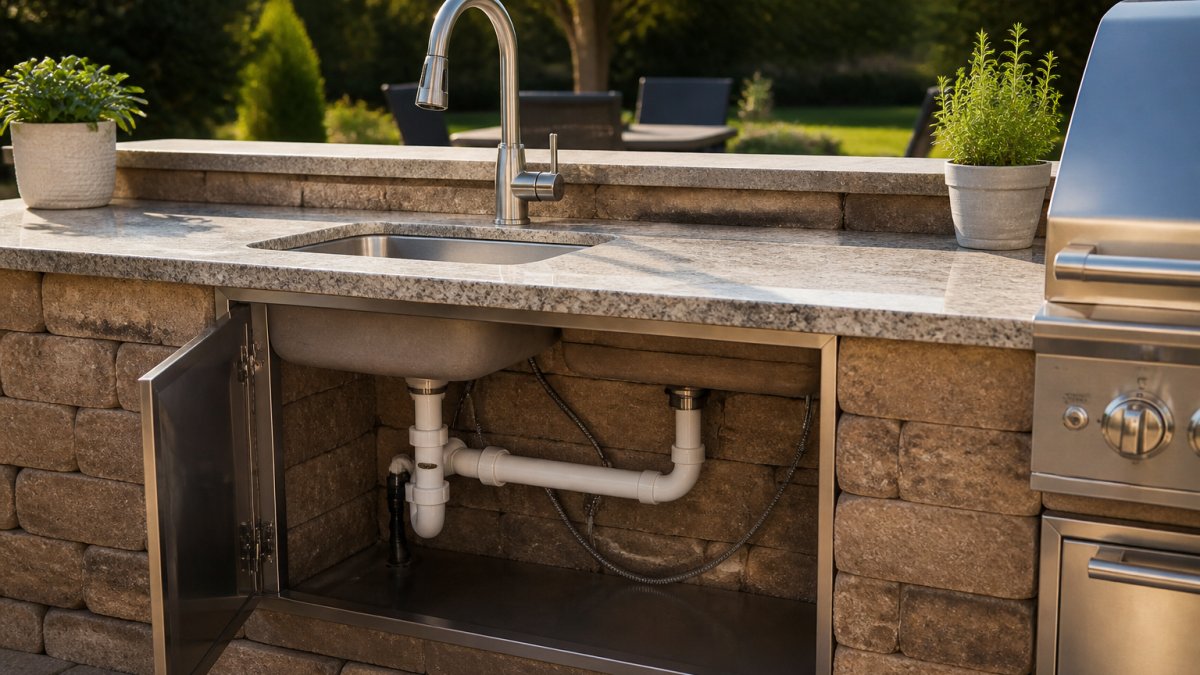
- Masonry outdoor kitchen cabinets: 20-plus years; stainless components and burners typically need service or replacement sooner than the masonry shell.
- Hot tub shell and cabinet: 10 to 20 years; pumps and heaters commonly need service or replacement within that window, and covers typically last 3 to 5 years.
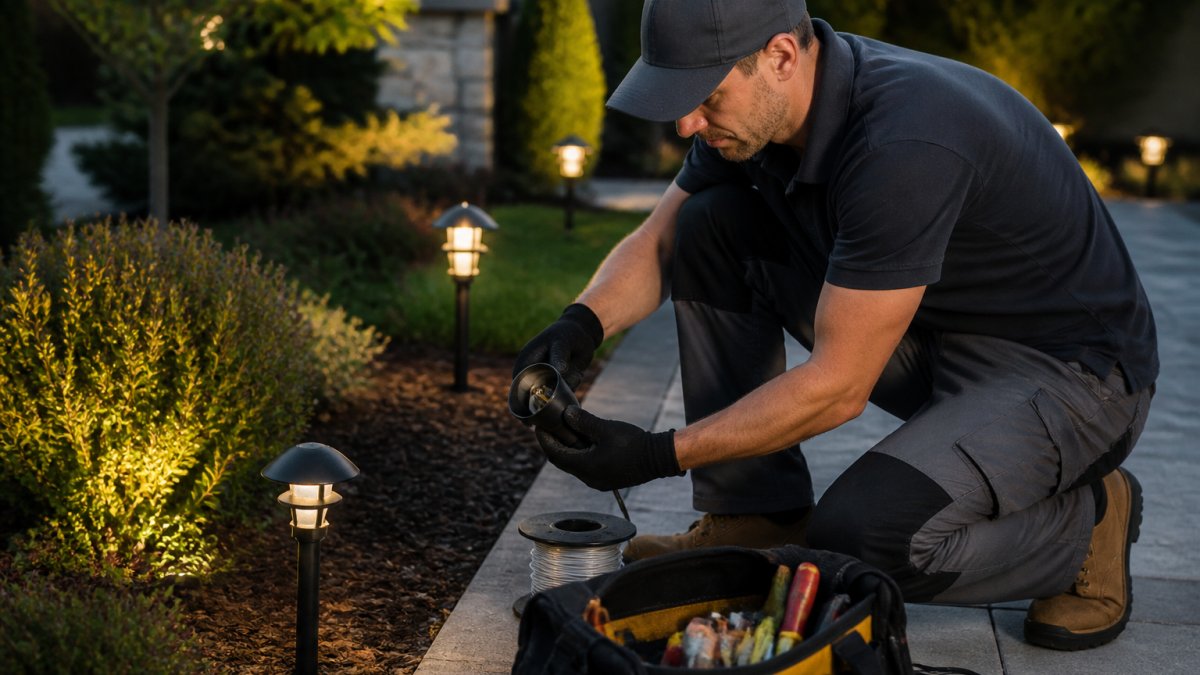
- Outdoor lighting fixtures: 10 to 15 years for fixtures; LED modules and transformers may need replacement sooner depending on exposure.
- Irrigation components: 10 to 15 years for valves and controllers; drip emitters and sprinkler heads are consumables replaced far more often.
Hot tub filters wear out over time and lose their ability to clean water effectively. Read more in our guide: Signs Your Hot Tub Filter Needs Replacing: 7 Clear Warnings.
Mineral cartridges are consumed as they work, so they have a finite service life. For clear indicators, see Signs Your Hot Tub Mineral Cartridge Is Expired.
Outdoor fireplaces should be inspected for cracks in masonry, gas leaks, corroded burners and blocked venting. See Signs Your Outdoor Fireplace Needs Professional Repair for the warning signs to watch for.
Watch out: Deferring small repairs is the most common way owners turn a manageable fix into an expensive replacement.
Planning Your Next Step: Professional Service and Next Steps with allvalley
Some tasks are worth doing yourself, like weekly water testing and seasonal cleaning. Others, gas connections, electrical work, structural repairs and heater service, are better left to qualified professionals. Use DIY for routine upkeep and bring in a pro for anything involving gas, electricity, structure or warranty requirements.
If you're planning upgrades or a full renovation, it helps to understand realistic budgets before you commit. Cost of Professional Backyard Renovation: 2026 Guide breaks down what to expect, and 7 Backyard Renovation Ideas for Couples in 2026 offers ideas that balance appearance with long-term upkeep.
When you're ready to talk through your space, allvalley offers delivery and installation services for BBQ equipment, fireplaces and hot tubs, along with professional installation and building services. Call us at 760-342-5277 to discuss your options and request a quote.
Frequently Asked Questions
How often should an outdoor living space be maintained?
Most luxury outdoor spaces benefit from a light check every week and a deeper review every season. Weekly tasks include clearing debris from seating areas, wiping down furniture and outdoor kitchen surfaces, and checking that drainage paths are open. Quarterly tasks cover inspecting finishes, tightening fixtures, and reviewing irrigation performance. An annual inspection should look at structural elements like retaining walls, walkways, and wood or composite decking. Following this rhythm catches small problems before they become expensive repairs and keeps a luxury outdoor space looking its best for years.
What is the most low-maintenance landscaping for a luxury backyard?
Low-maintenance luxury landscaping usually combines drought-resistant plants, gravel beds, and hardscaping that needs little upkeep. Plant selection should match your local climate, since native and adapted species in the Coachella Valley and Riverside County typically need less water and fewer trims. Gravel or decomposed granite beds reduce weeding, while drip irrigation on a timer keeps water use efficient. Pairing these choices with durable materials like stone pavers and composite decking limits repair frequency and keeps long-term maintenance manageable.
How do I maintain a hot tub in a desert climate?
Hot tubs in a desert climate need closer attention because heat, sun exposure, and dust accelerate water chemistry changes. Test water balance several times a week during summer, and shock the water regularly to control bacteria. Clean or replace filters on a set schedule, usually every few weeks in dusty conditions. Cover the spa when not in use to limit evaporation and debris. Your allvalley hot tub includes a free starter kit and chemicals, but plan ahead for ongoing chemical purchases once that supply runs out.
What is the 3-5-7 rule in landscaping?
The 3-5-7 rule is a common landscape design guideline that suggests grouping plants in odd-numbered clusters of three, five, or seven. Odd numbers look more natural and create visual rhythm, which helps a garden feel intentional and balanced. For maintenance, fewer and larger plant groups are easier to water, trim, and inspect than many scattered single plants. Applying this rule during design makes a luxury landscape both attractive and simpler to care for over time.
Which outdoor materials are easiest to maintain?
Materials like porcelain pavers, natural stone, thermally modified wood, and quality composite decking tend to require the least ongoing work. Porcelain and stone resist staining and weathering, while composite decking avoids sanding and re-staining. Stainless steel and powder-coated aluminum furnishings handle sun and moisture well. Choose finishes rated for outdoor use and clean them with mild soap and water. Durable materials cost more upfront but usually reduce the frequency of repairs and replacements.
How can I reduce maintenance costs in a backyard renovation?
The biggest savings come from planning maintenance before construction begins. Choose drought-tolerant plants suited to your climate, simplify planting beds, and install efficient drip irrigation with a smart controller. Select materials that resist weather and staining, and include drainage so water does not pool and damage surfaces. Schedule professional service for complex systems like spas and outdoor kitchens instead of waiting for failures. Pricing for renovation work depends on design, materials, quantity, and delivery, so request a current quote from allvalley for accurate figures.