 blog
blog
Wood-Burning Fire Pits: Pros and Cons
Table of Contents
- The Appeal of Wood-Burning Fire Pits
- Wood-Burning vs. Gas Fire Pit: Key Differences
- Cost Realities: Initial Purchase and Fuel Expenses
- Wood-Burning Fire Pit Maintenance and Cleanup
- Wood-Burning Fire Pit Safety Essentials
- Fire Pit Rules and Restrictions You Need to Know
- Is a Wood-Burning Fire Pit Right for Your Backyard?
- Frequently Asked Questions
Last Updated: October 14, 2026
The Appeal of Wood-Burning Fire Pits
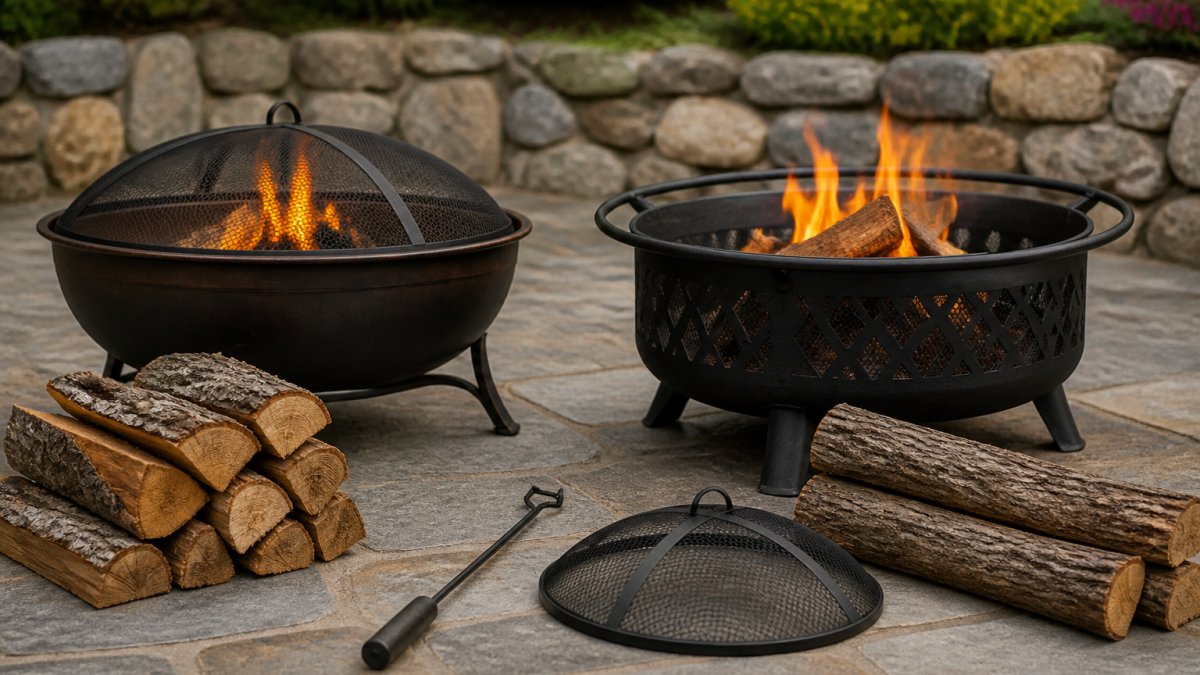
A wood-burning fire pit offers something gas simply cannot replicate: the authentic experience of an open flame. The crackling sounds, the wood smoke aroma, and the dancing embers create an atmosphere that draws people together. For many homeowners, this sensory experience is worth the trade-offs that come with wood-burning fire pits.
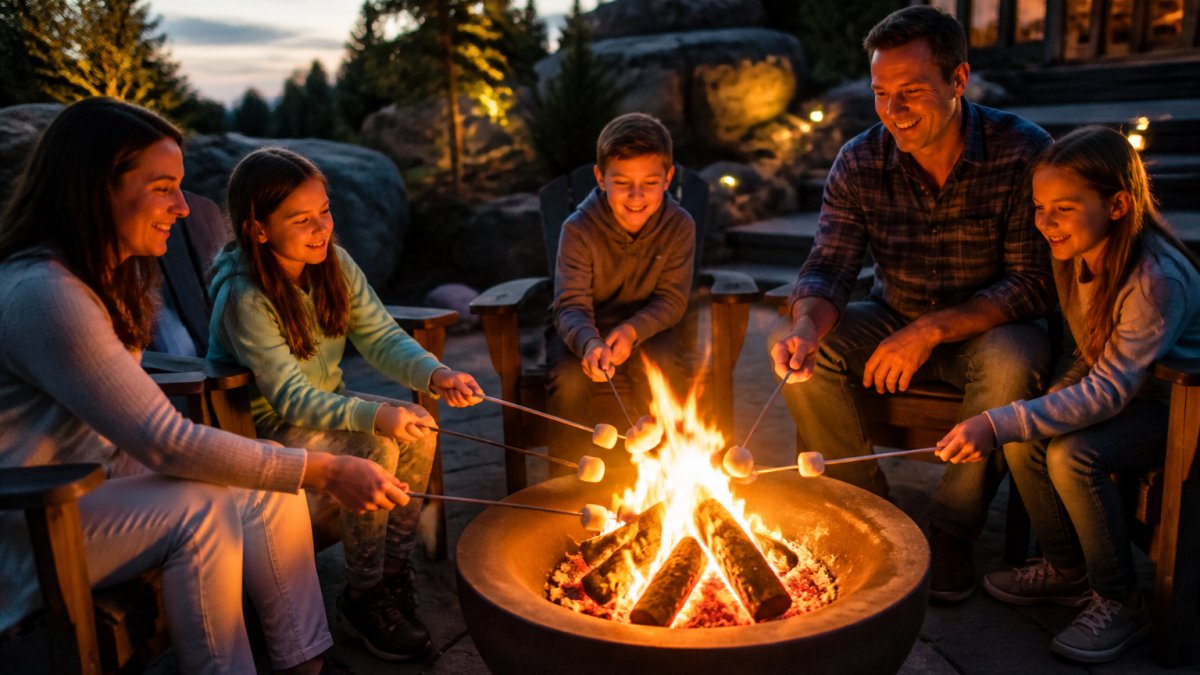
The nostalgia factor runs deep. There's something primal about tending a wood fire, feeding the flames, adjusting logs, watching the embers glow. This hands-on engagement appeals to people seeking a genuine outdoor retreat, not just a backyard amenity. Kids remember roasting marshmallows over real wood. Adults remember sitting by a real fire.
Beyond atmosphere, wood-burning fire pits deliver genuine heat output. The radiant heat from open flames warms a larger area than many gas alternatives. On cool evenings, that heat becomes functional, not just aesthetic. You're getting both ambiance and warmth in one feature.
The cost of entry matters too. A basic wood-burning fire pit requires minimal upfront investment compared to installing a permanent gas fireplace or built-in gas fire pit. You can start simple and upgrade later if desired.
Wood-Burning vs. Gas Fire Pit: Key Differences
The choice between wood-burning and gas fire pits comes down to what you prioritize: authentic experience or convenience. Each delivers something the other cannot.
A wood-burning fire pit demands active participation. You source firewood, arrange logs, ignite the fire, and manage the flames throughout the evening. This ritual appeals to some people and frustrates others. Gas fire pits operate differently, flip a switch or turn a knob, and flames appear instantly.
The atmosphere differs significantly. Wood fires produce genuine crackling sounds and wood smoke aroma. These sensory elements are irreplaceable. Gas flames are cleaner and more predictable, but they lack the authentic campfire experience. Some gas fire pits now include ceramic logs designed to mimic wood appearance, but the sound and smell remain distinctly different.
Maintenance and cleanup reveal the practical divide. Wood-burning fire pits leave ash, soot, and creosote buildup. You'll sweep out ash regularly and manage wood storage. Gas fire pits produce no ash and require minimal cleanup, just occasional inspection of the burner and gas line.
Heat output and efficiency vary. Wood fires generate substantial radiant heat but lose much energy up the chimney. Gas fire pits offer more controlled heat and better fuel efficiency. However, wood fires feel hotter in the moment due to the visible flame intensity.
Fuel costs and availability differ by region and season. Firewood availability depends on local suppliers and storage space. Gas requires a propane tank or natural gas line connection. Long-term fuel costs depend on your local prices and usage frequency.
| Feature | Wood-Burning | Gas |
|---|---|---|
| Atmosphere | Authentic crackling and smoke | Clean, instant flames |
| Effort Required | High (sourcing, tending, cleanup) | Low (flip switch) |
| Ash & Cleanup | Significant | Minimal |
| Heat Output | Strong radiant heat | Controlled, efficient |
| Installation | Simple | May require gas line |
| Fuel Sourcing | Firewood delivery/storage | Propane or natural gas |
| Cost to Start | Lower | Higher |
Cost Realities: Initial Purchase and Fuel Expenses
Understanding the true cost of a wood-burning fire pit means looking beyond the initial purchase price. Many homeowners underestimate ongoing expenses.
The starting price for a basic wood-burning fire pit is modest. Simple steel or cast-iron designs cost less than permanent installations. However, quality matters. A poorly constructed fire pit rusts quickly, cracks, or fails structurally.
Firewood costs add up faster than most people expect. Seasoned hardwood (properly dried wood that burns efficiently) costs more than green wood but performs better. Wet or freshly cut wood produces excessive smoke and creosote buildup.
Delivery fees apply if you don't have local firewood sources. Rural areas often have better access and lower costs. Urban and suburban homeowners may pay substantially more per cord of wood.
Beyond fuel, consider maintenance costs. A chimney or flue requires annual inspection and cleaning to prevent creosote accumulation and fire risk. Professional chimney cleaning runs several hundred dollars annually for regular users. Grates, logs, and accessories wear out and need replacement.
For comparison, gas fire pits have higher upfront installation costs (especially if a gas line requires extension), but fuel costs are often lower and more predictable. Propane tanks refill at consistent prices. Natural gas connects to your home line with no additional fuel purchases.
The total cost of ownership matters more than the initial price tag. A wood-burning fire pit that seems affordable initially may cost significantly more over five years when you factor in firewood, delivery, storage, and maintenance.
Wood-Burning Fire Pit Maintenance and Cleanup
This is where wood-burning fire pits separate the committed from the regretful. The maintenance reality differs sharply from the romantic image of a cozy fire.
Ash cleanup happens after every use. Depending on fire size and duration, you'll accumulate several inches of ash in the pit. Sweeping or shoveling ash out is straightforward but repetitive. Some people find this meditative; others find it tedious.
Creosote buildup poses a genuine risk. When wood burns incompletely (which happens with wet wood or poor airflow), creosote, a flammable tar-like substance, accumulates inside any chimney or flue. This buildup can ignite, creating dangerous chimney fires.
Wood storage requires planning. Firewood must dry for six months to a year before burning efficiently. Green wood produces excessive smoke and creosote. You'll need a covered storage area that allows airflow, a woodpile covered with a tarp works, but it occupies space and requires organization.
The pit itself needs care. Steel fire pits rust without protective treatment. Cast iron requires seasoning like a cast-iron skillet. Grates, screens, and metal components deteriorate with heat and weather exposure. Cracks can develop in concrete or stone surrounds.
Smoke management becomes an issue during cleanup. Ash stirred up during sweeping creates fine particles. Windy conditions scatter ash across your yard and patio. Some people use water to dampen ash before cleanup, but this creates muddy residue.
For homeowners seeking low-maintenance outdoor spaces, wood-burning fire pits demand more attention than gas alternatives. If you value simplicity and minimal upkeep, this factor alone might tip the decision toward gas.
Wood-Burning Fire Pit Safety Essentials
Safety with wood-burning fire pits isn't optional, it's fundamental. Improper placement or management creates genuine fire hazards.
Location matters most. Position your fire pit at least 15 feet from structures, trees, and overhanging branches. Embers travel farther than most people realize, especially on windy days.
Ground clearance is critical. Place the fire pit on non-flammable surface, bare earth, gravel, or pavers work well. Never place it on wood decking or near wooden fencing. Heat radiates downward as well as upward.
Wind direction matters. Smoke and embers blow toward downwind areas. Positioning the pit so prevailing winds blow smoke away from seating areas improves comfort and safety. Strong winds increase ember travel distance, use extra caution on windy days.
Keep a water source or fire extinguisher nearby. A garden hose or bucket of water allows quick response if fire spreads beyond the pit.
Never leave a fire unattended. Embers can reignite or spread hours after flames die down. Always fully extinguish the fire before leaving the area.
Fire pit screens prevent flying sparks and embers. A quality mesh screen reduces spark risk without significantly blocking heat or views. Some fire pits come with screens; others require separate purchase.
Alcohol and fire pits don't mix safely. Impaired judgment around open flames increases accident risk. Keep intoxicated guests away from the fire pit area.
Children and pets need clear boundaries. Establish a safety zone around the pit and enforce it consistently. Young children should always have adult supervision near open flames.
Fire Pit Rules and Restrictions You Need to Know
This is the section most homeowners skip, and later regret. Local burn bans and fire codes can prohibit wood-burning fire pits entirely or restrict their use significantly.
Many areas enforce seasonal burn bans during high fire-danger periods. These bans typically run during dry months when wildfire risk peaks. Even a small spark from an uncontrolled fire pit can ignite brush fires.
Air quality regulations limit wood burning in some regions. Areas with poor air quality often restrict wood fires to reduce smoke pollution. This affects not just your fire pit but also fireplaces and wood stoves.
Homeowners associations frequently prohibit wood-burning fire pits entirely. Shared neighborhoods prioritize smoke reduction and fire safety. Gas fire pits may be permitted when wood is not. Review your HOA rules before purchasing any fire feature.
Setback requirements specify how far fire pits must be from property lines, structures, and vegetation. These vary by jurisdiction but typically range from 10-25 feet. Violating setback rules can result in removal of the fire pit and fines.
Check your local fire marshal's office or building department for specific regulations. Requirements differ between municipalities and can change. What's permitted in one neighborhood might be prohibited in another.
Documentation matters if you're building a permanent fire pit. Some jurisdictions require permits for fire features. Unpermitted installations can create liability issues and complicate future property sales.
Neighbor considerations extend beyond legal requirements. Smoke drifting into a neighbor's yard creates legitimate complaints. Noise from gatherings around the fire pit at late hours may violate local noise ordinances.
Is a Wood-Burning Fire Pit Right for Your Backyard?
This decision depends on your priorities, lifestyle, and constraints. Honest assessment prevents expensive mistakes.
Choose wood-burning if you value authentic atmosphere over convenience. You enjoy the ritual of fire tending and don't mind regular cleanup. You have adequate space for safe placement and firewood storage.
Avoid wood-burning if you prioritize low maintenance and simplicity. You live in an area with burn restrictions or air quality regulations. You have limited yard space. You prefer minimal cleanup and don't want ash management.
The middle ground exists too. Some homeowners use wood-burning fire pits seasonally and switch to alternative heating or entertainment during restricted periods. This approach captures authentic experiences while respecting local rules.
At allvalley, we've helped homeowners across the region evaluate fire features. The decision between wood-burning and gas fire pits often connects to broader questions about your outdoor lifestyle.
Consider the complete picture: initial cost, fuel expenses, maintenance demands, local regulations, neighbor proximity, and how you actually spend time outdoors. The most expensive fire pit is one you regret installing.
Your backyard should reflect your genuine preferences, not an idealized version of outdoor living.
Visit allvalley to explore fire pit options and discuss how a fire feature fits into your backyard vision. Our team can address local restrictions, installation requirements, and long-term maintenance realities specific to your situation.
A wood-burning fire pit creates memories around authentic flames and crackling wood. The sensory experience remains unmatched by gas alternatives. However, the maintenance demands, ongoing fuel costs, and local restrictions require honest evaluation before committing.
Frequently Asked Questions
What are the main advantages of wood-burning fire pits?
Wood-burning fire pits deliver authentic campfire atmosphere with crackling sounds, wood smoke aroma, and natural flames that gas alternatives cannot replicate. They provide excellent heat output through radiant warmth, require no gas line or propane tank installation, and work during power outages. Many homeowners prefer them for marshmallow roasting and outdoor cooking, plus the nostalgic experience appeals to families seeking a true outdoor gathering space.
How do wood-burning and gas fire pits compare in maintenance?
Wood-burning fire pits require significantly more upkeep. You must manage ash and soot cleanup after each use, store firewood properly, and inspect for creosote buildup. Gas fire pits need less frequent maintenance, mainly checking gas lines and propane tanks. However, wood-burning pits offer lower ongoing fuel costs if you source firewood responsibly, while gas pits involve regular propane refills or natural gas line maintenance, making the total cost of ownership a key consideration for your budget.
Are wood-burning fire pits allowed in residential areas?
Regulations vary significantly by location. Many areas have burn bans during high fire-risk seasons or air-quality alerts. Check with your local fire department and air quality management district for specific rules in your area. Some neighborhoods restrict open flames entirely, while others allow them with distance requirements from structures. Before purchasing, verify setback distances from your home, property lines, and trees.
What makes wood-burning fire pits challenging for some homeowners?
The main drawbacks are smoke production, air quality concerns, and ongoing maintenance demands. Wood smoke can bother neighbors and affect air quality, especially during poor air days. Cleanup is messy, ash accumulates quickly, and you'll need to dispose of it regularly. Weather impacts usability; rain makes firewood damp and harder to light. Initial cost varies widely, and you must source quality, seasoned firewood consistently. Additionally, fire risk requires careful placement away from structures and constant supervision while burning.