 listicle
Best Low Maintenance Plants for Backyard Gardens
Table of Contents
- Best Low Maintenance Plants for Every Backyard
- Low-Maintenance Perennial Plants That Thrive Year After Year
- Drought-Tolerant Plants for Landscaping Your Backyard
- Low-Maintenance Landscaping Plants Organized by Sun and Shade
- Low-Maintenance Shrubs for Backyard Privacy and Structure
- Ornamental Grasses and Foliage Plants That Need Minimal Care
- Establishment Care and Long-Term Maintenance Calendar
- Frequently Asked Questions
Last Updated: October 13, 2026
Best Low Maintenance Plants for Every Backyard
Creating a thriving backyard garden doesn't require endless hours of watering, pruning, and fertilizing. The best low maintenance plants for backyard gardens deliver color, structure, and visual interest while demanding minimal care. Whether you're managing a small patio or a sprawling landscape, choosing the right plants transforms your outdoor space into a low-stress retreat that actually looks good year-round.
At allvalley, we've helped countless homeowners design backyards that work with their lifestyle, not against it. Low-maintenance plants are the foundation of any sustainable outdoor living space, especially when paired with quality hardscaping and outdoor features like patios or fire pits. The key isn't finding plants that thrive on complete neglect, it's selecting varieties that match your climate, soil, and light conditions so they establish quickly and require only basic seasonal care.
Quick Comparison Table
| Plant Type | Best For | Sun/Shade | Water Needs | Hardiness Zone |
|---|---|---|---|---|
| Sedum | Dry areas, containers | Full sun | Low | 3-11 |
| Black-Eyed Susan | Borders, beds | Full sun to part shade | Low to moderate | 3-11 |
| Daylilies | Mixed borders | Full sun to part shade | Low to moderate | 3-10 |
| Yarrow | Cottage gardens, dry spots | Full sun | Low | 3-9 |
| Catmint | Pollinator gardens | Full sun to part shade | Low | 5-9 |
| Switchgrass | Accents, screens | Full sun to part shade | Low | 4-9 |
| Peonies | Foundation plantings | Full sun to part shade | Moderate | 3-8 |
| Hostas | Shade gardens | Shade | Moderate | 3-9 |
Low-Maintenance Perennial Plants That Thrive Year After Year
Perennials are the backbone of any low-maintenance garden because they return each season without replanting. Once established, these plants develop deep root systems that access soil moisture more efficiently than annuals, reducing your watering workload significantly.
Sedum stands out as the ultimate low-maintenance perennial. These succulent plants store water in their leaves, making them nearly impossible to kill through neglect. Sedums thrive in full sun and well-draining soil, they actually prefer dry conditions and suffer in overly moist environments.
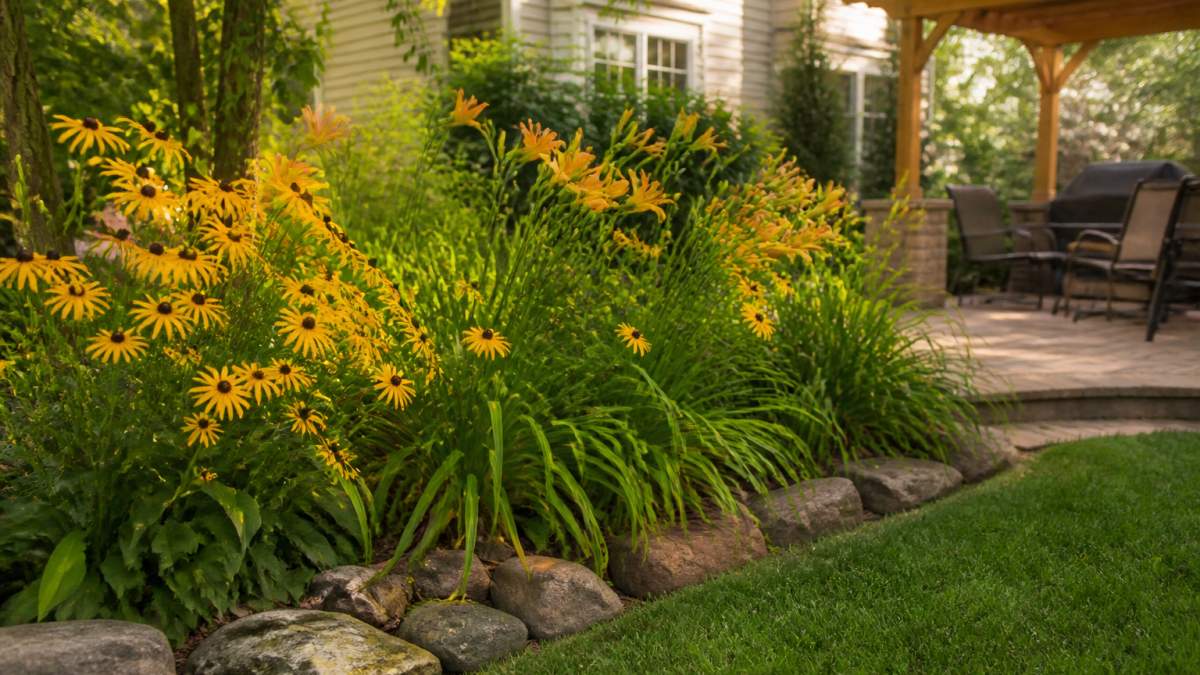
Black-Eyed Susan (Rudbeckia) delivers bright yellow flowers with dark centers from mid-summer through fall. These cheerful perennials tolerate poor soil, handle drought once established, and spread readily without becoming invasive. They work equally well in borders, cottage gardens, or naturalized meadow plantings.
Daylilies earn their reputation as workhorses of the garden. Available in hundreds of varieties with blooms ranging from pale yellow to deep burgundy, daylilies adapt to almost any soil condition and light level from full sun to part shade.
Yarrow tolerates drought, poor soil, and neglect while producing flat-topped flower clusters in white, pink, red, or yellow. This spreading perennial works well in cottage gardens, along borders, or in dry areas where other plants struggle. Yarrow attracts beneficial insects and butterflies, making it valuable for pollinator gardens.
Catmint (Nepeta) produces soft purple-blue flowers on airy stems that bloom for months with minimal deadheading. This spreading perennial thrives in full sun to part shade and poor, dry soil. It's deer-resistant and attracts pollinators while requiring virtually no maintenance once established.
Drought-Tolerant Plants for Landscaping Your Backyard
Water scarcity is a real concern in many regions, making drought-tolerant plants essential for sustainable landscaping. These varieties establish deep root systems that access moisture deep in the soil, reducing or eliminating supplemental watering after the first growing season.
Drought tolerance doesn't mean the plant looks stressed or sparse. Modern drought-tolerant selections offer rich colors, interesting textures, and season-long visual appeal. The establishment period, typically the first year after planting, requires regular watering to help roots develop (Conserving water in your yard and garden).
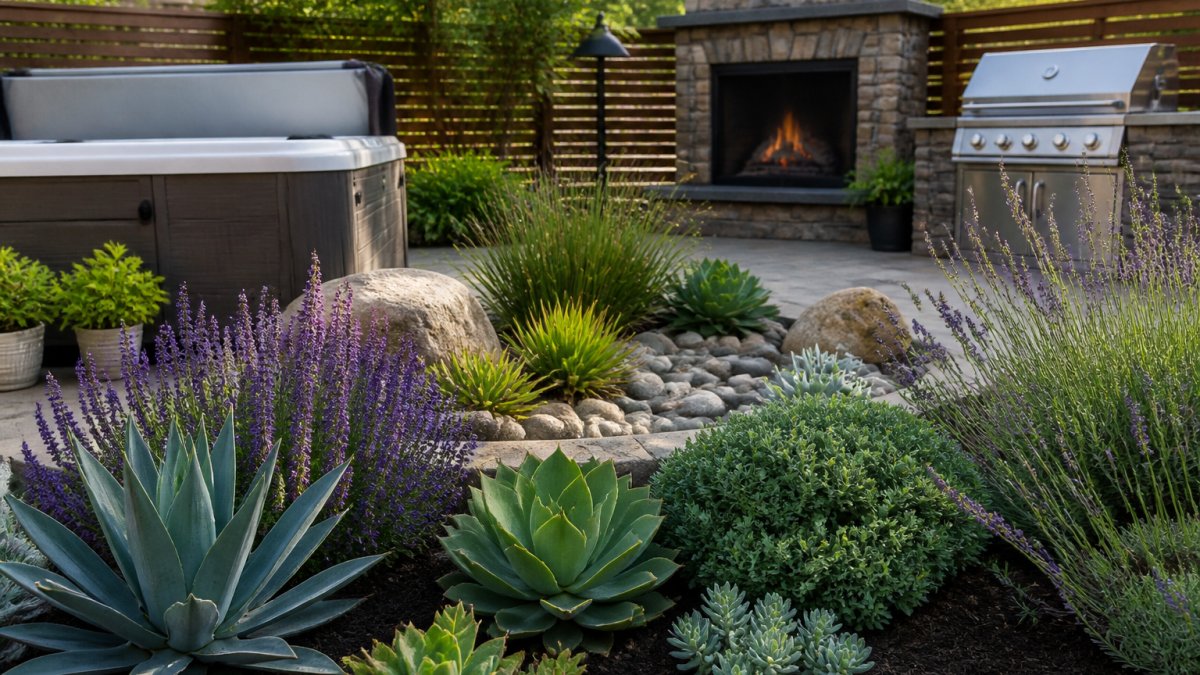
Sedum and other succulents represent the gold standard for drought tolerance. Their fleshy leaves store water, allowing them to survive extended dry periods. Plant them in groups for visual impact, or use them in containers for flexibility.
Lavender combines drought tolerance with fragrant flowers and silvery foliage. This Mediterranean native thrives in full sun and well-draining soil, flowering for months with minimal care. Use lavender in borders, containers, or as a low hedge. The flowers dry well for arrangements or sachets.
Ornamental grasses like switchgrass and feather reed grass add movement and texture while requiring minimal water once established. These plants develop deep root systems that access soil moisture efficiently. They provide year-round interest with seasonal color changes and winter structure.
Russian Sage (Perovskia) produces tall stems with small lavender-blue flowers and silvery foliage. This drought-tolerant perennial blooms from mid-summer through fall and attracts pollinators. It prefers full sun and well-draining soil, thriving in hot, dry conditions where other plants struggle.
Low-Maintenance Landscaping Plants Organized by Sun and Shade
Matching plants to light conditions is fundamental to low-maintenance gardening. Plants in appropriate light levels establish faster, grow stronger, and require less intervention than those struggling in unsuitable conditions.
Full Sun Selections (6+ hours of direct sun)
Full sun areas offer opportunities for vibrant flowering plants and ornamental grasses. These plants thrive with intense light and typically prefer drier soil conditions.
Black-Eyed Susan, daylilies, yarrow, catmint, and sedum all excel in full sun.
Part Sun to Part Shade (3-6 hours of sun)
These transitional areas suit a broader range of plants than full sun or full shade. Many flowering perennials and shrubs perform well with dappled light or morning sun and afternoon shade.
Full Shade (less than 3 hours of sun)
Shade gardens challenge many gardeners, but shade-tolerant plants offer lush foliage and reliable performance. These plants thrive under trees, along north-facing walls, or in other low-light areas.
Hostas dominate shade gardens with their attractive foliage in green, blue-green, or variegated patterns. Hostas produce spikes of lavender or white flowers in summer and require minimal care beyond occasional division.
Shade-tolerant ferns add delicate texture and movement without requiring flowers for interest. Most ferns prefer consistently moist soil and benefit from organic mulch. They establish slowly but reward patience with decades of reliable performance.
Liriope (lilyturf) produces spikes of purple flowers in late summer and tolerates dry shade, a notoriously difficult growing condition. This tough groundcover spreads gradually and requires minimal maintenance.
Low-Maintenance Shrubs for Backyard Privacy and Structure
Shrubs provide the structural framework for landscape design while offering privacy, windbreaks, and year-round visual interest. Low-maintenance shrub selections establish quickly and require minimal pruning or fertilizing.
Boxwood offers dense, fine-textured foliage ideal for formal hedges or informal screens. These evergreen shrubs tolerate pruning and maintain their shape naturally. They work in sun or shade and adapt to various soil conditions.
Viburnum shrubs produce fragrant flowers, attractive berries, and reliable foliage color. Many viburnums offer seasonal interest with spring flowers and fall color. They tolerate pruning and require minimal ongoing care once established.
Spirea delivers abundant flowers in spring or summer depending on variety. These deciduous shrubs offer easy care, rapid establishment, and attractive foliage. Use them in borders, hedges, or as specimen plants.
Lilac combines fragrant spring flowers with attractive summer foliage and fall color. These cold-hardy shrubs thrive in full sun and well-draining soil. They require minimal pruning and live for decades with basic care.
Hydrangea offers large flower clusters in pink, blue, or white depending on variety and soil pH. These versatile shrubs adapt to various light levels and soil conditions. Panicle hydrangeas require minimal pruning, while mophead varieties benefit from annual spring pruning.
Ornamental Grasses and Foliage Plants That Need Minimal Care
Ornamental grasses and foliage plants extend the visual interest of low-maintenance gardens beyond the flowering season. These plants offer texture, movement, and seasonal color changes with virtually no maintenance.
Switchgrass (Panicum virgatum) produces fine-textured foliage that turns burgundy or gold in fall. This native grass grows 3-6 feet tall depending on variety and provides winter structure. Switchgrass establishes quickly and tolerates drought, poor soil, and neglect.
Feather reed grass (Calamagrostis) creates vertical accent with narrow foliage and feathery flower plumes. This upright grass adds height and movement to garden beds without spreading aggressively. It tolerates various soil conditions and establishes reliably.
Sedge grasses offer fine texture and shade tolerance that true grasses lack. These low-growing groundcovers spread gradually to fill space while suppressing weeds. Many sedge varieties tolerate dry shade, a challenging condition for most plants.
Coral bells and other heucheras deliver colorful foliage year-round with burgundy, purple, chartreuse, or variegated patterns. These semi-evergreen perennials produce delicate flowers on tall stems but shine for their foliage. They tolerate part shade and establish quickly.
Hosta varieties range from dwarf selections under 12 inches tall to giants exceeding 3 feet. Their attractive foliage in various colors and patterns provides season-long interest in shade gardens. Hostas require minimal care beyond occasional division.
Establishment Care and Long-Term Maintenance Calendar
Understanding the difference between establishment care and long-term maintenance separates successful gardeners from frustrated ones. New plantings require regular attention during the first year, but mature gardens need minimal intervention.
Year One: Establishment Period
New plants need consistent moisture during their first growing season while roots develop. Water deeply 2-3 times weekly depending on rainfall and soil conditions. Mulch around plants with 2-3 inches of organic material to retain moisture and regulate soil temperature. This investment pays dividends by reducing watering frequency and suppressing weeds.
Remove weeds regularly during the establishment year, they compete for water and nutrients. Avoid fertilizing newly planted perennials unless soil tests show nutrient deficiencies. Most garden soils contain sufficient nutrients for establishment.
Year Two and Beyond: Maintenance
Mature low-maintenance plants require minimal intervention. Water during extended dry periods (more than two weeks without rain), but established plants typically thrive on rainfall alone. Reduce mulch to 1-2 inches as plants mature to prevent rot and encourage natural weed suppression.
Spring Tasks
- Cut back ornamental grasses and perennials after new growth begins
- Divide perennials every 3-5 years if they become overcrowded
- Apply fresh mulch to maintain 1-2 inch depth
- Remove any winter-damaged branches from shrubs
Summer Tasks
- Water during dry periods
- Deadhead flowers to extend bloom season (optional, many plants flower well without it)
- Monitor for pest or disease issues
- Pull weeds before they establish
Fall Tasks
- Leave ornamental grass and perennial stems standing for winter interest and wildlife habitat
- Plant spring-blooming bulbs for early-season color
- Reduce watering as temperatures cool and rainfall increases
- Cut back perennials after frost kills foliage (late fall or early spring)
Winter Tasks
- Minimal activity in most climates
- Monitor evergreen plants for snow or ice damage
- Plan garden improvements for the coming year
Creating a low-maintenance backyard garden starts with selecting the right plants for your specific conditions. Whether you're adding a fire pit, installing a spa, or simply refreshing your landscaping, low-maintenance plants provide the perfect backdrop for outdoor entertainment and relaxation. Call us at 760-342-5277 to discuss how we can help you design and install a backyard that works as hard as you do.
Frequently Asked Questions
What are the best low-maintenance plants for a backyard garden?
The best low maintenance plants include perennials like daylilies, yarrow, and sedum; shrubs like hydrangeas; and ornamental grasses like switchgrass. These plants thrive on neglect, requiring minimal watering, pruning, and fertilizing once established. Choose varieties suited to your hardiness zone and sun exposure for the easiest care and longest lifespan.
Which low-maintenance perennial plants work best for beginners?
Black-eyed susans, peonies, and catmint are excellent starter perennials. They establish quickly, tolerate poor soil, and bloom reliably year after year with almost no intervention. Plant them in spring or fall, water regularly the first season, then let them grow. Most require deadheading only if you want continuous blooms, but even skipping this step won't harm the plant.
What drought-tolerant plants for landscaping save the most water?
Sedum, yarrow, and ornamental grasses like switchgrass use the least water once established. These plants have deep root systems or fleshy leaves that store moisture, so they thrive even during dry spells. Planting them in well-draining soil and mulching reduces watering needs further. In most climates, they need water only during the establishment year.
How do I choose low-maintenance shrubs for backyard privacy?
Select shrubs based on your hardiness zone, desired mature height, and sun exposure. Deciduous shrubs offer seasonal color and are often less expensive; evergreens provide year-round screening. Look for varieties that grow 6 to 12 feet tall without frequent pruning. Space them according to mature width to minimize trimming. Most require pruning only once yearly in late winter or early spring.
What's the difference between low-maintenance landscaping plants and regular garden plants?
Low-maintenance landscaping plants are selected for drought tolerance, pest resistance, and minimal pruning or fertilizing needs. They thrive on neglect once established and don't demand frequent watering or deadheading. Regular garden plants often need consistent watering, feeding, and grooming. Low-maintenance varieties are ideal for busy homeowners or those new to gardening who want reliable color and structure without constant work.