 how-to
Why Your Outdoor Fireplace Smokes: 7 Fixes
Table of Contents
- Why Your Outdoor Fireplace Is Smoking Excessively
- Best Firewood for Outdoor Fireplaces
- Check Your Damper and Chimney Flue
- How to Improve Fireplace Draft
- Clear Blockages and Creosote Buildup
- Outdoor Fireplace Maintenance Tips
- When to Call a Professional
- Frequently Asked Questions
Last Updated: September 19, 2026
Why Your Outdoor Fireplace Is Smoking Excessively
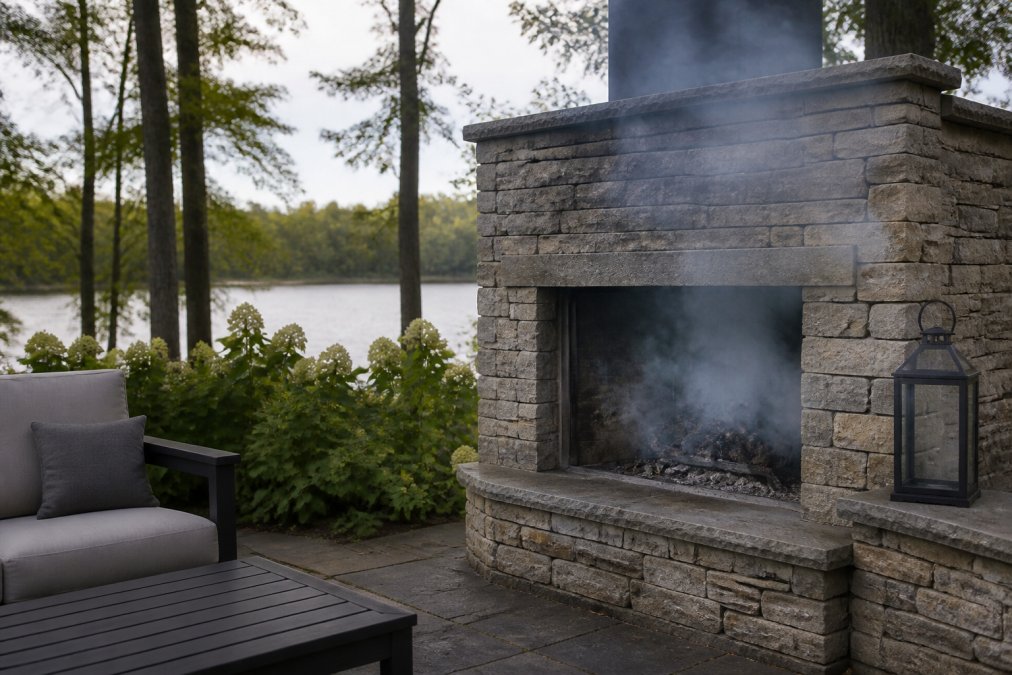
Excessive smoke from your outdoor fireplace ruins the whole experience. You're trying to enjoy a cozy evening, but instead you're choking on smoke and your guests are heading inside. The good news: this problem almost always has a fix.
Excessive smoke from your outdoor fireplace ruins the whole experience. You're trying to enjoy a cozy evening, but instead you're choking on smoke and your guests are heading inside. The good news: this problem almost always has a fix. The culprits are usually simple. Wet wood, a stuck damper, blocked flues, or poor draft are the main reasons smoke pours into your space instead of up the chimney.
This guide walks you through the seven most common causes and exactly how to fix them. By the end, you'll know whether you need new firewood, a quick cleaning, or professional help.
Best Firewood for Outdoor Fireplaces
The single biggest mistake homeowners make is burning unseasoned or wet wood. Wet wood produces thick, acrid smoke that fills your space instead of burning cleanly.
Seasoned firewood is essential. Properly dried wood has a moisture content below 20%. This lets the wood burn hot and complete, with minimal smoke. Unseasoned wood can have 50% or higher moisture content, which means most of the energy goes into evaporating water instead of producing heat.
How to identify good firewood:
- Check the color. Seasoned wood is lighter, often gray or pale tan on the ends
- Look for cracks. Properly dried wood splits along the grain
- Test the weight. Dry wood feels noticeably lighter than green wood
- Listen to it. Knock two pieces together, seasoned wood makes a hollow sound
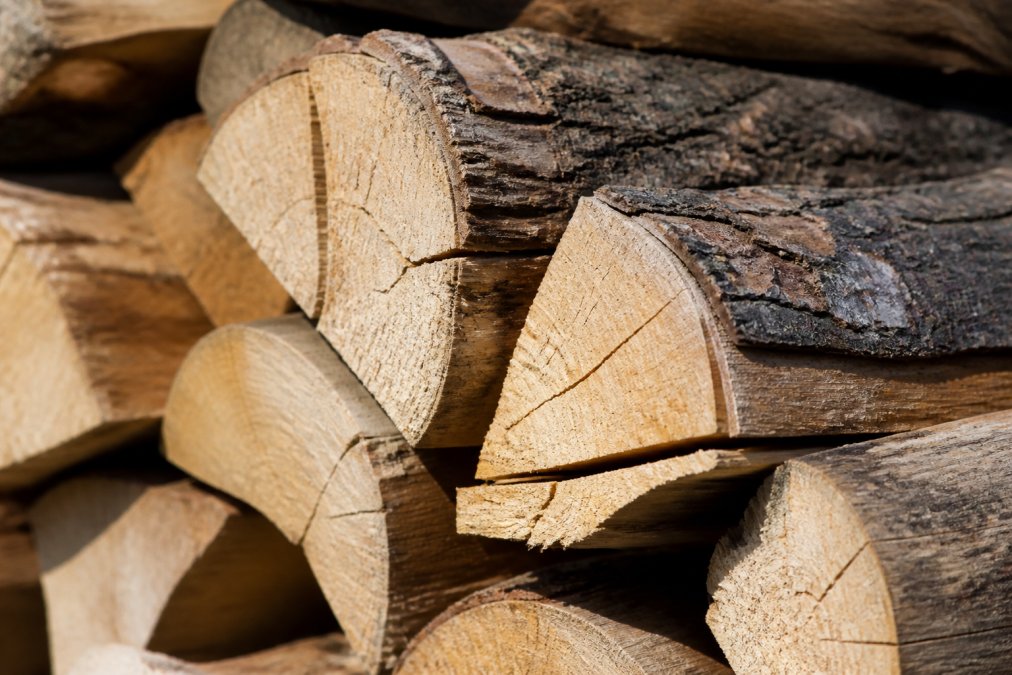
Hardwoods burn better than softwoods. Oak, maple, ash, and hickory produce less smoke and more heat. Pine and spruce contain more resin and create excessive creosote buildup, which clogs your flue and makes smoke problems worse.
Store firewood in a dry location for at least 6-12 months before burning. Stack it off the ground with space between pieces so air circulates. Cover the top but leave the sides open for ventilation.
Buy firewood from a local supplier who seasons it properly. Bagged "instant" firewood from big box stores often has higher moisture content than advertised.
Check Your Damper and Chimney Flue
A stuck or broken damper is the second most common cause of outdoor fireplace smoking. Your damper controls airflow through the flue. When it's stuck closed or partially closed, smoke backs up into your space.
Test your damper right now. Open the damper fully before lighting a fire.
Common damper issues:
- Rust or corrosion prevents full opening
- Creosote buildup blocks movement
- The handle is broken or disconnected
- The damper seal is warped or cracked
How to Improve Fireplace Draft
- Locations sheltered by tall trees or buildings that create turbulent wind patterns
- Fireplaces positioned in valleys or low-lying areas where wind funnels
- Chimneys shorter than surrounding structures (the flue should extend at least 3 feet above the highest point of your roof and any nearby obstructions)
- Coastal or open areas where wind speed is consistently high
Practical steps to improve outdoor draft:
- Extend your flue height. If wind downdrafts are the problem, raising the chimney cap 2-4 feet higher often eliminates the issue. The flue should clear all nearby obstructions by at least 3 feet horizontally and vertically.
- Install a wind-resistant chimney cap. Standard caps allow wind to create pressure zones. Caps with baffles or turbine designs reduce downdraft. Avoid caps that restrict the opening too much, as they reduce draft.
- Reduce negative air pressure indoors. Crack a window near your fireplace to allow makeup air. This is especially important if your home is well-sealed or if you're running exhaust fans (range hoods, bathroom fans, dryers) while the fireplace is in use. These appliances pull air out of the home, creating negative pressure that reverses fireplace draft.
- Improve the smoke shelf. This is the horizontal surface inside the chimney that helps redirect downdrafts. Creosote buildup here reduces efficiency. A professional chimney sweep can clean it.
- Build hotter fires. A hot fire creates stronger draft. Use kindling and proper fire-building technique to establish a strong flame quickly. Smoldering fires produce more smoke and weaker draft.
- Position your fireplace away from wind tunnels. If your outdoor space is between two buildings or structures that funnel wind, consider repositioning the fireplace or installing a windbreak (fence, hedge, or screen) to reduce wind impact.
If you have a wood stove or fireplace insert, make sure it's properly sealed. Air leaks around the insert reduce draft and pull smoke into the room. For outdoor fireplaces, check that the firebox opening is not oversized relative to the flue, this creates weak draft and smoke spillage.
Clear Blockages and Creosote Buildup
Blockages in your flue or chimney cap are common culprits. Creosote (a black, sticky substance) builds up on flue walls and restricts airflow.
Signs of creosote buildup:
- Black, sooty residue visible inside the flue
- Strong, acrid smell when the fireplace is in use
- Reduced draft and increased smoke spillage
- Visible smoke coming from the chimney cap
How often to sweep:
- If you burn frequently (2-3 times per week), sweep annually
- If you burn occasionally (monthly or less), sweep every other year
- If you use quality seasoned hardwood and maintain good fires, you may go longer between sweeps
Outdoor Fireplace Maintenance Tips
Regular maintenance prevents most smoking problems. A well-maintained fireplace performs reliably and safely. Beyond routine upkeep, learning to read your smoke, its color, density, and behavior, gives you a diagnostic tool to identify problems before they worsen.
Use smoke color and behavior to diagnose problems:
- Thick white smoke indicates high moisture content in the wood or incomplete combustion. This is the most common complaint. Switch to properly seasoned hardwood (moisture content below 20%) and ensure your fire reaches a hot, steady flame within 10-15 minutes of ignition.
- Black or very dark gray smoke suggests creosote buildup in the flue or incomplete combustion from a smoldering fire. This requires flue cleaning and hotter fires. If smoke remains black after switching to quality wood and building hotter fires, schedule a professional chimney inspection.
- Smoke that puffs back into the fireplace (back-puffing) indicates draft problems, often caused by wind downdrafts, negative indoor air pressure, or a blocked flue. Check your chimney cap for debris first; if clear, test for wind effects by observing smoke behavior on calm versus windy days.
- Smoke that rises initially then falls back down suggests a flue that's too large or cooling too quickly. This is less common in outdoor fireplaces but can occur if the flue was oversized during installation.
- Smoke that drifts sideways instead of rising indicates insufficient draft or wind pressure. This is an outdoor-specific issue; observe whether it occurs consistently or only during certain wind directions.
Monthly maintenance tasks:
- Check the damper moves freely and opens fully
- Remove ash and debris from the firebox (ash buildup reduces airflow)
- Inspect the chimney cap for damage, bird nests, leaves, or other blockages
- Look for visible creosote buildup inside the flue (black, sooty residue on the walls)
- Observe smoke behavior during a test fire and note any changes from previous burns
Seasonal maintenance:
- Before the heating season, have the chimney professionally inspected
- Clean the flue if needed (typically annually if you burn frequently, every other year if occasional)
- Check the flue liner for cracks or deterioration
- Inspect the damper seal for gaps or warping
- Test draft with a simple match test: light a match near the fireplace opening; smoke should be drawn up, not blown back
- Check that the chimney cap is secure and not tilted or damaged by wind or weather
Annual professional service:
- Schedule a certified chimney sweep inspection (required by the National Fire Protection Association for any regularly used fireplace)
- Have the flue cleaned and inspected with a camera
- Check the chimney structure for damage, cracks, or deterioration
- Verify the cap and flashing are secure and properly sealed
- Measure draft with a draft gauge if smoke problems persist
When to Call a Professional
Some smoking problems require professional expertise. Knowing when to call saves time and prevents damage.
Call a chimney professional if:
- The damper won't open or close properly
- You suspect a cracked flue liner
- The chimney structure has visible damage
- Smoke backs up even after cleaning
- You smell gas or see unusual odors
- The flue is blocked and you can't identify the cause
- You need to install or replace a flue liner
Frequently Asked Questions
Why does my outdoor fireplace produce so much smoke?
Excessive smoke usually comes from wet or unseasoned firewood, blocked flues, faulty dampers, or poor draft. Moisture content above 20% in wood is the most common culprit. Check that your damper opens fully, your chimney flue is clear of creosote and debris, and your fireplace has proper airflow. Wind can also push smoke back into your space if your chimney cap isn't designed to handle it.
Does an outdoor fireplace need a smoke chamber?
Yes. A smoke chamber sits above the firebox and funnels smoke upward into the flue. Proper design ensures smoke rises steadily instead of spilling back into your seating area. The chamber should have angled walls that converge toward the flue opening. Poor chamber design or undersized flues are major causes of back-puffing and excessive smoke in outdoor fireplaces.
How does wind affect outdoor fireplace smoke flow?
Wind can create a wind tunnel effect that forces smoke back down the chimney and into your outdoor space. This is especially common in windy areas or when your fireplace is positioned in a wind corridor. A properly sized chimney cap with wind-resistant design, combined with adequate flue height, helps prevent this. Taller chimneys perform better in windy conditions.
Is fireplace smoke harmful?
Yes. Excessive fireplace smoke contains carbon monoxide and fine particulates that can cause respiratory irritation and long-term health effects. Smoke inhalation is particularly dangerous for children, elderly people, and those with asthma. Proper ventilation and fixing smoke issues quickly is essential for your health and safety.