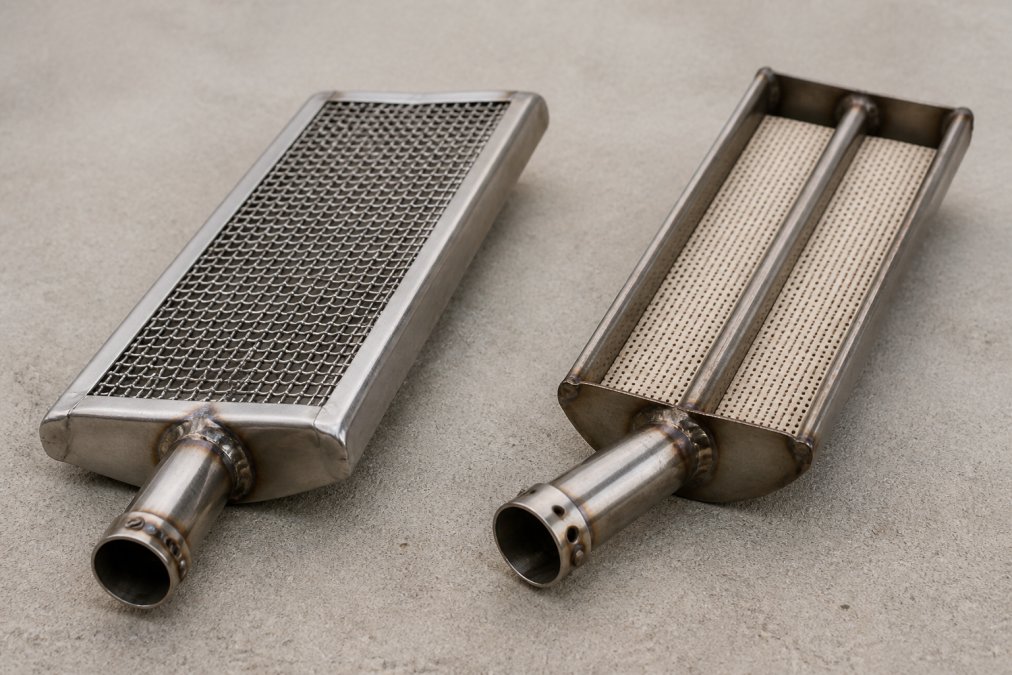
 comparison
Infrared vs Ceramic Burners for Outdoor Grills: 2026 Guide
Table of Contents
- Infrared vs Ceramic Burners: Quick Comparison Table
- How Infrared and Ceramic Burners Actually Work
- Benefits of Infrared Grilling: Searing, Moisture, and Wind Resistance
- Searing, Crust Formation, and Heat Distribution: Head-to-Head
- Fuel Efficiency and BTU Output: Which Burner Costs Less to Run
- How to Clean Infrared Grill Burners (and Ceramic Ones) Without Damage
- Troubleshooting Flare-Ups, Cold Spots, and Ignition Problems
- Best Outdoor Kitchen Equipment Brands 2026: What to Look For
- Frequently Asked Questions
Last Updated: September 15, 2026
Infrared vs Ceramic Burners: Quick Comparison Table
Comparing infrared vs ceramic burners comes down to one question: raw searing power or predictable, even cooking? This guide from allvalley, which has spent 26 years equipping backyards across the Coachella Valley and Riverside County, breaks down how each performs, what it costs to run, and which fits your cooking style.
Infrared burners radiate intense heat directly onto food from a superheated surface; ceramic burners use a porous slab that blends radiant heat with convection. Neither is universally better, they solve different problems.
| Factor | Infrared Burner | Ceramic Burner |
|---|---|---|
| Heat source | Radiant surface (mesh or slab) | Porous ceramic slab |
| Best for | Searing steaks, chops, crust formation | Even cooking, rotisserie, baking |
| Preheat time | Fast (3-5 minutes) | Moderate (7-10 minutes) |
| Wind resistance | High | Moderate |
| Flare-up risk | Low | Moderate |
| Maintenance | Regular brushing, annual inspection | Gentle cleaning, crack checks |
| Fuel use | Lower per searing session | Higher for long cooks |
The right choice depends on whether you grill hot and fast or low and slow. Most serious outdoor kitchens end up with both.
How Infrared and Ceramic Burners Actually Work
Infrared and ceramic burners both produce radiant heat, but through different paths. Understanding the mechanics helps you match the burner to how you cook.
Radiant Heat, Convection, and the Maillard Reaction
Radiant heat transfers energy directly from a hot surface to food without heating the air between. Convection moves heat through circulating air. Infrared burners lean on radiant heat; ceramic burners blend both.
That distinction matters because of the Maillard reaction, the chemical process that browns meat and builds flavor. It needs surface temperatures well above boiling, and radiant heat delivers that faster than convection alone. According to USDA Food Safety and Inspection Service guidance on high-heat cooking, proper internal temperatures still matter regardless of burner type, so pair aggressive searing with a reliable thermometer.
Ceramic Slab vs Mesh Screen: Two Infrared Designs
Infrared burners come in two designs. A ceramic slab is a porous plate that heats evenly and holds temperature well, common in rotisserie and rear burners. A mesh screen sits closer to the flame and produces faster, more intense heat for direct searing.
Mesh screens preheat quicker but can clog with grease; ceramic slabs take longer to heat but distribute heat more evenly. Both resist wind better than open-flame burners because the burner surface shields the flame.
Benefits of Infrared Grilling: Searing, Moisture, and Wind Resistance
The benefits of infrared grilling show up in three areas: searing power, moisture retention, and wind performance, each tracing back to how radiant heat behaves.
Searing happens fast. A hot infrared surface drives off surface moisture quickly, letting the Maillard reaction start before the interior overcooks. That fast crust locks in juices, which is why infrared-grilled steaks tend to come out juicier than the same cut over a slow open flame.
Moisture retention is the second advantage: because infrared heat cooks the surface aggressively, food spends less time on the grate and loses less moisture to evaporation.
Wind resistance rounds out the list. Open-flame burners lose efficiency when gusts disrupt combustion, but infrared burners shield the flame behind a solid or mesh surface, a noticeable difference on an exposed patio.
Searing, Crust Formation, and Heat Distribution: Head-to-Head
Searing and crust formation favor infrared; heat distribution favors ceramic. What most comparisons skip is the practical question: which foods actually benefit from each burner?
The Mechanism Behind the Crust
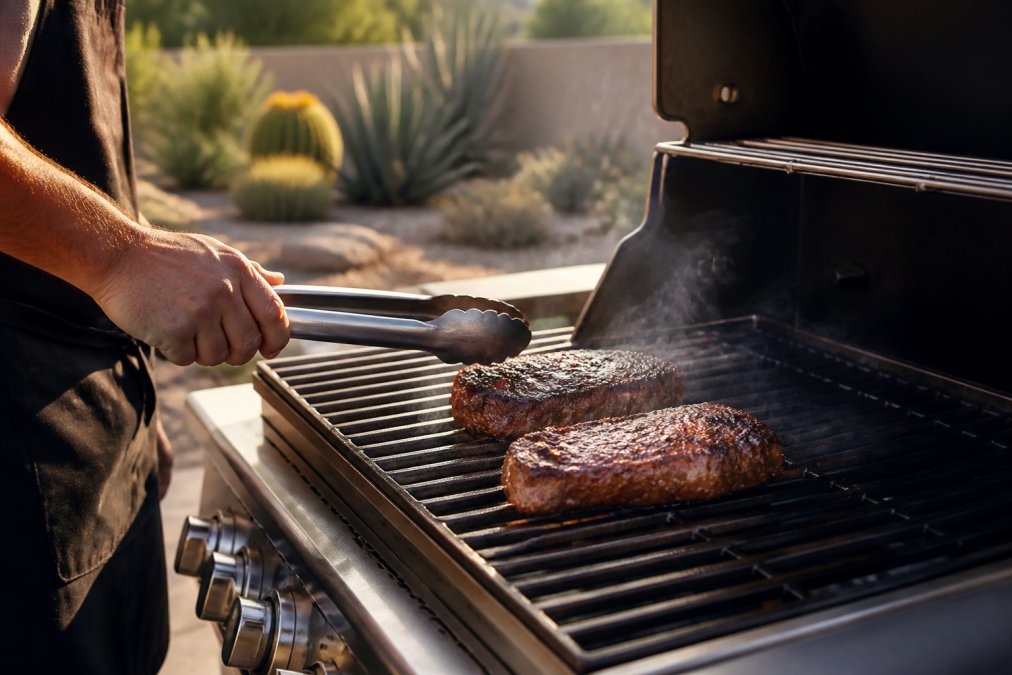
A mesh-screen infrared burner can push grate temperatures high enough to build a dark crust in under two minutes per side (fsis.usda.gov). That speed matters because the Maillard reaction needs surface temperatures well above boiling. The faster you drive off surface moisture, the sooner browning starts and the less the interior overcooks.
Ceramic burners reach high heat too, but the porous slab spreads it across a wider area, so peak intensity at any point is lower and crust formation is slower. For a thick ribeye that's a disadvantage; for a whole chicken it's exactly what you want.
Which Foods Belong on Which Burner
Here's how the two burner types map to real cooking:
Best on infrared (mesh screen):
- Ribeye, strip steak, and filet, thick cuts that need a fast, hard sear before the center overcooks
- Lamb chops and pork chops, same logic, high surface-to-mass ratio
- Tuna steaks and salmon fillets, a quick sear leaves the interior rare
- Smash burgers, the crust is the point
- Pizza on a stone, the radiant blast mimics a wood-fired oven
Best on ceramic slab:
- Whole chickens and turkeys, even heat prevents scorched skin and raw thighs
- Rotisserie anything, the slab's thermal mass holds steady temperature through a long spin
- Ribs and pork shoulder, low, even radiant heat builds bark without burning
- Vegetables and fruit, delicate items that scorch under intense direct radiant heat
- Baked goods and casseroles, indirect, even heat is non-negotiable
Where the two-stage method wins:
For thick cuts like a 2-inch ribeye or bone-in pork roast, sear on infrared for 90 seconds to 2 minutes per side, then finish on a ceramic or standard burner zone at lower, even heat.
Heat Distribution: The Trade-Off in Plain Terms
Fuel Efficiency and BTU Output: Which Burner Costs Less to Run
Why BTU Ratings Mislead
Preheat: Where the Real Gas Goes
Long Cooks Flip the Equation
A practical rule of thumb:
| Cook Type | Typical Duration | More Efficient Burner |
|---|---|---|
| Steak sear | 10-15 min | Infrared (mesh screen) |
| Burgers and chops | 15-25 min | Infrared |
| Rotisserie chicken | 60-90 min | Ceramic |
| Ribs, brisket, pork shoulder | 3+ hours | Ceramic |
What This Means for Cost of Ownership
How to Clean Infrared Grill Burners (and Ceramic Ones) Without Damage
A simple maintenance rhythm keeps both types running:
Troubleshooting Flare-Ups, Cold Spots, and Ignition Problems
| Symptom | Likely Cause | Fix |
|---|---|---|
| Flare-ups | Grease buildup | Clean drip tray and burner area |
| Cold spots | Clogged ports | Clear ports with a pin |
| Uneven glow | Blocked burner surface | Brush gently, inspect for damage |
| No ignition | Moisture or bad electrode | Dry and check gap, replace if needed |
Best Outdoor Kitchen Equipment Brands 2026: What to Look For
Frequently Asked Questions
What are the downsides of using an infrared grill?
Infrared burners run hotter and can scorch food fast if you do not watch grate temperature, and ceramic infrared components are more fragile than plain metal burners. Flare-ups happen when drippings hit the hot surface, and replacement ceramic slabs cost more than a standard burner tube. Many infrared grills also have a longer preheat time before the surface reaches searing heat.
Are infrared burners more difficult to clean than standard ceramic burners?
They need a different routine, not necessarily more work. After the grill cools, brush the grate, then run the burner on high for 10 to 15 minutes to burn off residue. Once cool, wipe the ceramic slab or mesh screen with a soft brush. Never soak a porous ceramic slab or scrape it with metal, and check the burner ports for clogged grease before each cook.
Do infrared burners provide better searing results for steaks?
Yes, in most side-by-side tests. Infrared delivers radiant heat directly to the meat surface, so grate temperatures climb faster and produce a deeper Maillard crust in less time. That intense direct heat also helps lock in moisture, which is one of the main benefits of infrared grilling for steaks, chops, and burgers. Ceramic and standard burners can sear well, but they usually need longer preheat and a hotter lid-down setup.
Can you use infrared and ceramic burners on the same grill?
Yes. Hybrid grills pair a dedicated infrared searing zone with standard ceramic or stainless burners for everyday cooking. That setup lets you sear on the infrared side and finish food over gentler convection heat, which is why many 2026 outdoor kitchen builds use a hybrid layout instead of choosing one burner type for the whole grill.
What are the maintenance requirements for ceramic grill burners?
Ceramic burners are less fussy day to day, but they still need attention. Brush the grate after each cook, clear grease from the burner ports monthly, and check the heat distribution across the cooking surface every few months. A clogged port creates cold spots and uneven cooking. Replace cracked ceramic slabs promptly, because a damaged slab lets grease reach the burner tube and causes flare-ups.