 ultimate-guide
Benefits of Long Lasting Hot Tubs: A 2026 Guide
Table of Contents
- Why Long Lasting Hot Tubs Matter for Your Backyard Retreat
- Health Benefits: Stress Relief, Sleep, and Muscle Recovery
- Average Lifespan of a Hot Tub and What Affects Durability
- Hot Tub Maintenance Tips to Extend Your Investment
- Hot Tub Repair vs Replacement: Making the Right Call
- Social and Mental Well-Being Benefits
- Conclusion: Investing in a Durable Hot Tub Pays Off
Last Updated: August 19, 2026
Why Long Lasting Hot Tubs Matter for Your Backyard Retreat
When you invest in a hot tub, you're not just buying a piece of equipment, you're committing to years of family gatherings, stress relief, and outdoor living. The difference between a hot tub that falls apart in five years and one that delivers reliable performance for 15 or 20 comes down to construction quality, maintenance discipline, and realistic expectations about what durability actually means. At allvalley, we've spent over 26 years helping families understand that the real value of long lasting hot tubs isn't just the initial purchase, it's what happens after installation, month after month, season after season.
The benefits of long lasting hot tubs extend far beyond the obvious comfort factor. A durable hot tub means fewer repairs, lower energy costs over time, and the peace of mind that comes from knowing your investment will still be functional when your kids bring their own families over. Most homeowners underestimate how much they'll use their hot tub once it's installed. That casual weekend soak becomes a daily ritual. The occasional gathering turns into a regular escape from stress. When your hot tub is built to last, it transforms from an expensive luxury into a genuine lifestyle investment that pays dividends in health, family connection, and long-term value.
Health Benefits: Stress Relief, Sleep, and Muscle Recovery
The therapeutic effects of hot water immersion are well-documented and significant. Soaking in a hot tub triggers a cascade of physiological responses that address some of the most common health complaints: chronic stress, poor sleep quality, and muscle tension from daily life or physical activity.
How Hydrotherapy and Thermal Regulation Work
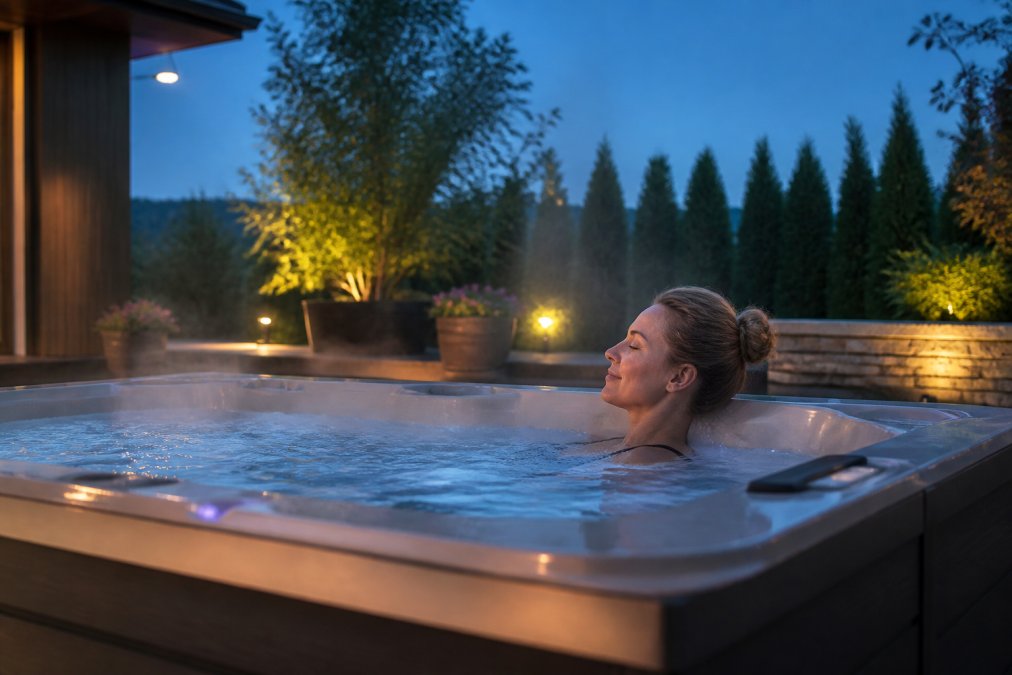
Hydrotherapy, the therapeutic use of water for healing and wellness, works through two primary mechanisms: buoyancy and heat. When you immerse yourself in warm water, the buoyancy reduces the effective weight of your body, decreasing stress on joints and muscles. Simultaneously, the thermal energy causes vasodilation, the widening of blood vessels that improves circulation throughout your body. This combination is what makes hot tubs fundamentally different from simply soaking in a warm bath. The therapeutic jets add another layer by providing targeted massage that releases muscle tension and promotes blood flow to specific areas.
The water temperature in a hot tub typically ranges from 100 to 104 degrees Fahrenheit, which is warm enough to trigger these therapeutic responses without causing tissue damage. This precise thermal regulation is one reason why long lasting hot tubs with reliable heating systems matter so much, inconsistent temperature control undermines the entire health benefit. Your body needs sustained warmth to experience the full stress-reduction effect. A hot tub that cools down halfway through your soak doesn't deliver the same physiological benefit.
Cardiovascular and Metabolic Benefits
Regular hot tub use has measurable effects on cardiovascular health and metabolic function. The heat causes your heart rate to increase slightly, similar to light exercise, which improves cardiovascular endurance over time. More importantly, the improved circulation helps regulate blood pressure and supports healthier blood sugar levels. For people managing metabolic concerns, regular hydrotherapy can be a meaningful complement to other health practices.
The metabolic rate increases when your body works to maintain homeostasis in warm water. This means you're burning calories simply by soaking, not a replacement for exercise, but a genuine metabolic effect. The relaxation response triggered by heat exposure also reduces cortisol levels, the stress hormone that contributes to weight gain and metabolic dysfunction. Over months of regular use, these cumulative effects add up.
Average Lifespan of a Hot Tub and What Affects Durability
Most hot tubs have an average lifespan of 10 to 15 years with proper maintenance, though premium models can exceed 20 years. The supporting keywords "average lifespan of a hot tub" reflects what most manufacturers and experienced dealers see in the field. However, this number is misleading without context, it's not predetermined by fate. Your specific hot tub's lifespan depends almost entirely on three factors: initial construction quality, how well you maintain it, and whether you address problems early.
A hot tub that receives minimal maintenance and sits exposed to harsh weather might fail in 8 years. The same model, properly maintained and covered when not in use, could easily reach 18 years. The difference isn't magic, it's the cumulative effect of small decisions made consistently over time.
Shell Material and Construction Quality
The shell is the foundation of any hot tub's durability. Most modern hot tubs use acrylic shells, which are durable and retain color well, or fiberglass-reinforced shells, which are more affordable but require more careful maintenance. The quality of the shell's support structure, the frame underneath, matters as much as the shell itself. Premium long lasting hot tubs use reinforced frames that resist warping and cracking under the stress of water weight and temperature fluctuations.
The jets, plumbing, and internal components also determine real-world lifespan. Cheaper hot tubs use plastic plumbing that becomes brittle over time. Quality long lasting hot tubs use stainless steel or reinforced PVC that withstands years of chemical exposure and temperature cycling. The pump and motor are where you'll see the biggest difference between a budget model and a premium one. A quality pump can run reliably for 15 years. A cheap pump might last 5.
When you're evaluating hot tubs, ask specific questions about shell thickness, frame construction, and the warranty on the pump and heater. These three elements determine whether you're looking at a 10-year investment or a 20-year one.
Energy Efficiency and Long-Term Cost of Ownership
One of the most overlooked aspects of long lasting hot tubs is their operating cost. A poorly insulated hot tub with an undersized heater can cost $200-$400 per month to operate during winter months. A well-insulated model with an efficient heater might cost half that. Over a 15-year lifespan, the difference between efficient and inefficient is thousands of dollars.
Energy efficiency comes from several factors: insulation quality around the shell and pipes, heater efficiency (measured in BTU output), and whether the hot tub has a quality cover that minimizes heat loss. Premium long lasting hot tubs invest in thick foam insulation and high-efficiency heaters that reduce operating costs significantly. The initial cost is higher, but the payback period through lower energy bills is often just 3-5 years.
The water chemistry system also affects long-term costs. Hot tubs that require constant chemical adjustment cost more to maintain than those with built-in systems that manage pH and sanitization more automatically. When you're evaluating durability, factor in the total cost of ownership, not just the purchase price. A more expensive hot tub that costs less to operate and maintain often delivers better value over its lifetime.
Hot Tub Maintenance Tips to Extend Your Investment
The difference between a hot tub that lasts 10 years and one that lasts 20 often comes down to maintenance discipline. Proper care isn't complicated, but it is consistent. Most owners who struggle with hot tub longevity aren't dealing with defective equipment, they're dealing with the consequences of deferred maintenance.
Water Chemistry and Seasonal Care
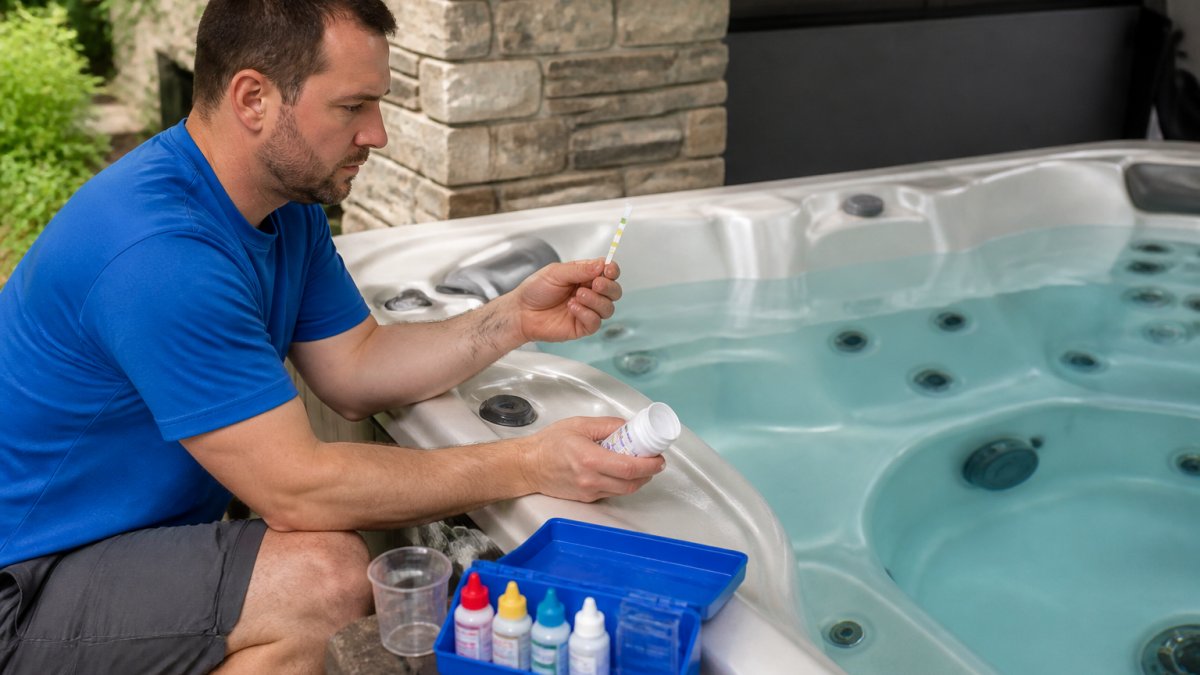
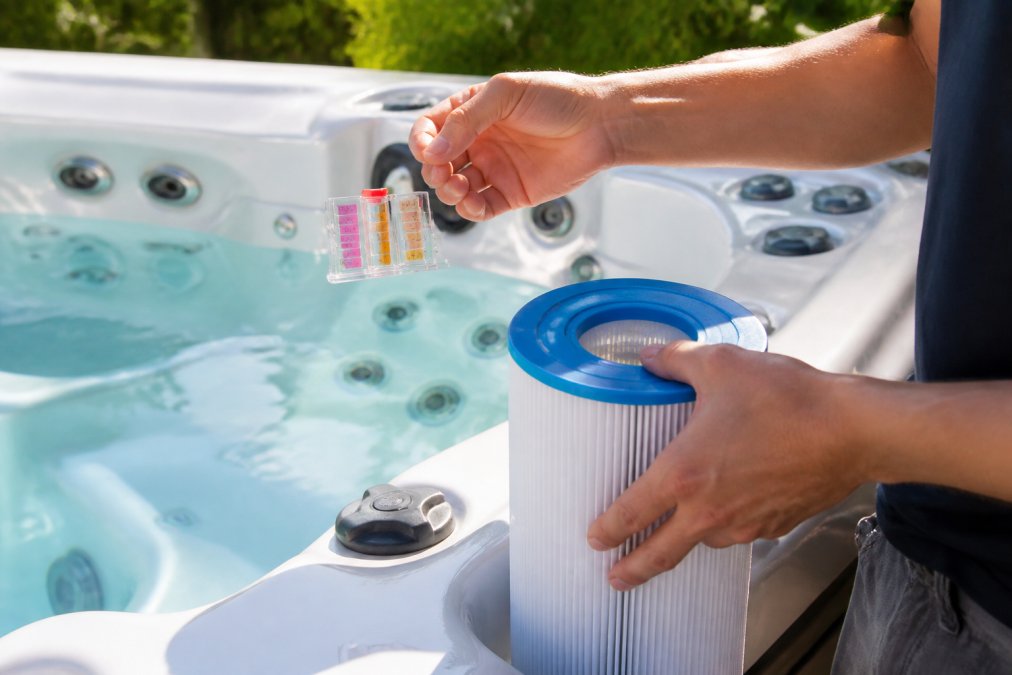
Balanced water chemistry is the foundation of hot tub longevity. Water that's too acidic corrodes metal components and damages the shell. Water that's too alkaline causes scale buildup that clogs jets and reduces heater efficiency. The pH should stay between 7.2 and 7.8, and alkalinity between 80 and 120 ppm. These aren't arbitrary numbers, they're the range where your equipment operates optimally.
Test your water at least twice per week during regular use. Many people find that testing becomes automatic, like checking the weather. The test takes two minutes. If you skip it for a month, you might face weeks of chemical correction and potential equipment damage. When you purchase long lasting hot tubs from allvalley, we include a free starter kit with chemicals and testing supplies, which removes the guesswork for the first few months.
Seasonal care matters significantly. Before winter, drain and refill your hot tub with fresh water, as mineral accumulation becomes problematic in cold months. In summer, you might need to adjust chemical levels more frequently due to increased usage and higher ambient temperatures. Cover your hot tub when it's not in use, a quality cover reduces heat loss by 75% and prevents debris accumulation and chemical evaporation.
Routine Inspections and Filter Management
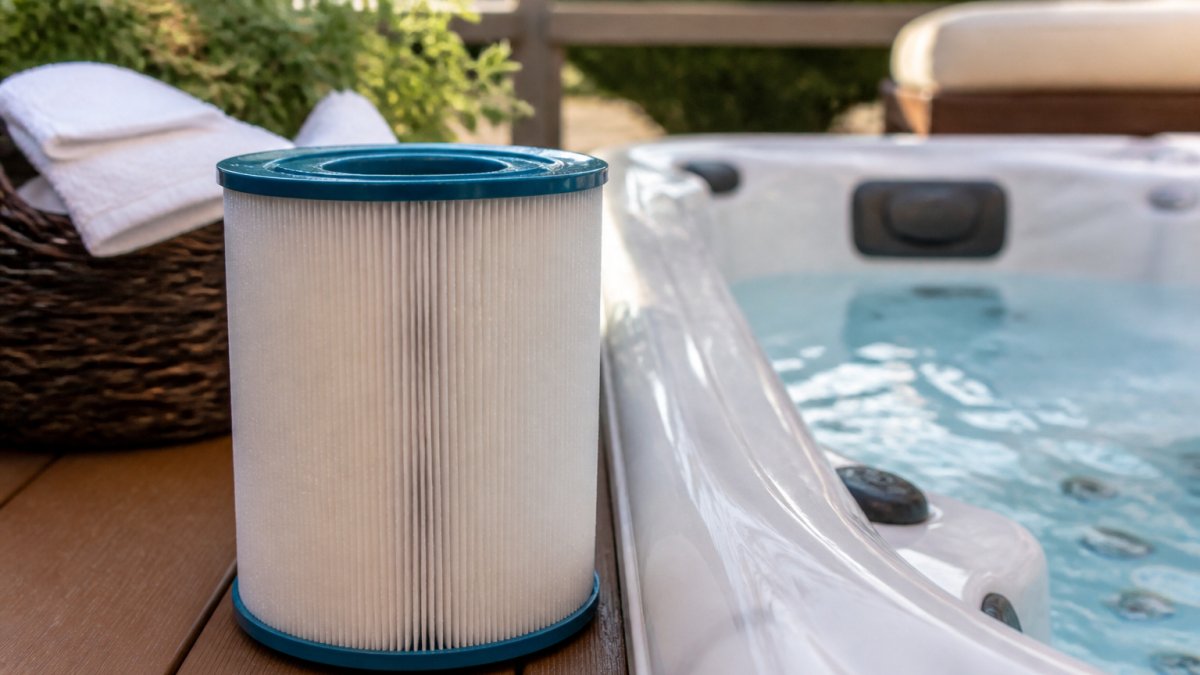
Your filter is the hot tub's first line of defense against debris and contaminants. A clogged filter forces your pump to work harder, reducing its lifespan and increasing energy costs. Clean your filter every two weeks during regular use. Replace it annually or every 12-18 months, depending on usage. This single maintenance task probably does more to extend hot tub life than anything else you can do.
Inspect your hot tub monthly for signs of leaks, cracks, or loose connections. Small leaks are easy to fix. Large leaks discovered months later mean water damage, mold, and expensive repairs. Check the water level regularly, it should stay between the minimum and maximum marks. Low water levels can damage the pump. High levels can overflow into the surrounding area.
Listen to your hot tub. Unusual noises often signal problems before they become visible. A grinding sound from the pump, a whistling from the heater, or rattling from the jets warrant investigation. Early detection of mechanical issues prevents cascading failures that become expensive.
Hot Tub Repair vs Replacement: Making the Right Call
At some point, every hot tub owner faces a decision: repair or replace? The answer depends on the age of the unit, the cost of repair, and the remaining lifespan you can reasonably expect.
A general rule: if the repair costs more than 50% of the replacement cost, and your hot tub is already 10+ years old, replacement often makes more sense. A pump replacement on a 15-year-old hot tub might cost $1,500-$2,000. If a new hot tub costs $3,500-$4,500, you're spending 40-50% of replacement cost to extend a unit that might fail again within a few years. The math shifts if your hot tub is only 5 years old, repairs make sense because you have a decade of remaining life.
Factor in energy efficiency when making this decision. Older hot tubs are significantly less efficient than modern models. The energy cost difference over the remaining years of an old unit's life might make replacement more economical than you'd initially think. A new, efficient hot tub might pay for itself through lower operating costs within 7-10 years.
Social and Mental Well-Being Benefits
Beyond the physiological benefits, long lasting hot tubs create space for connection and mental restoration. Regular soaking reduces anxiety and depression symptoms through multiple mechanisms: the relaxation response, improved sleep quality, and the ritual of dedicated time away from screens and stress. The mental health benefit of this consistent self-care practice compounds over months and years.
For families, a hot tub becomes a gathering place. Conversations happen differently in warm water. Kids are more likely to open up. Adults reconnect without the distraction of devices. This social benefit is harder to quantify than cardiovascular health, but it's often what owners value most about their investment. When your hot tub is reliable and requires minimal maintenance, you're more likely to use it regularly, which means more of these moments.
The ritual aspect matters too. Knowing you can step into a warm, clean hot tub on a cold evening becomes a form of self-care that shapes your entire week. This is why durability matters so much, when your hot tub breaks down frequently or requires constant attention, the ritual becomes a source of frustration rather than relief.
Investing in a durable hot tub is fundamentally different from buying one on price alone. The best long lasting hot tubs deliver years of reliable performance because they're built with quality materials, designed for efficiency, and supported by proper maintenance discipline. At allvalley, we've helped thousands of families understand that the real value isn't in the initial purchase, it's in the hundreds of peaceful soaks, family gatherings, and moments of stress relief that follow. Our hot tubs come with free starter kits and chemicals included, plus professional delivery and installation that ensures your investment starts strong. If you're ready to transform your backyard into a retreat that lasts, call us at 760-342-5277 for a consultation. We'll help you find the right hot tub for your needs and make sure it's installed properly so it delivers value for years to come.
Frequently Asked Questions
How long do long lasting hot tubs typically last?
A well-maintained hot tub can last 10-20 years or longer, depending on shell material, construction quality, and how consistently you follow maintenance routines. Acrylic shells tend to last longer than other materials when properly cared for. Factors like water chemistry, thermal regulation, and regular inspections directly affect the average lifespan of a hot tub. Quality models with durable jets and efficient heating systems often exceed expectations when owners stay on top of maintenance.
What makes a hot tub last longer than others?
Durability comes down to construction quality, shell material, and energy efficiency. Look for reinforced acrylic shells, high-grade insulation, and therapeutic jets designed for longevity. Proper hot tub maintenance tips, like maintaining correct water chemistry, managing thermal regulation, and scheduling routine inspections, are equally important. Models built with redundant systems and easy-access components tend to last longer because repairs are simpler and less expensive over time.
Should I repair or replace my hot tub?
The hot tub repair vs replacement decision depends on the age, cost of repairs, and remaining lifespan. If your hot tub is under 10 years old and the repair costs less than 25-30% of a replacement, repair is usually the better choice. However, if it's nearing the end of its average lifespan, has multiple failing components, or repair costs are escalating, replacement often makes financial sense. A professional inspection can help clarify whether the unit has years left or is headed toward failure.
What are the main health benefits of soaking in a hot tub?
Regular soaking provides stress and anxiety relief through muscle relaxation, improves sleep quality through thermal regulation, and supports post-workout recovery. Hydrotherapy and the buoyancy of warm water reduce joint inflammation and chronic pain, while improved circulation supports cardiovascular health and metabolic rate. The mental health benefits include reduced cortisol levels and a sense of well-being. Most users experience noticeable improvements in relaxation and physical recovery within the first few weeks of regular use.
This article was written using GrandRanker